
Using Log File Analysis to Find Hidden Crawling Problems
Discover how log file analysis can uncover hidden crawling issues that might be affecting your site's SEO performance. Learn how to identify and fix problems that standard tools often miss


Is Your Website Invisible to Google?
You optimized your pages. Added keywords. Fixed technical errors. Maybe even built some slick backlinks.
But you’re still not ranking.
What if the problem isn’t your content or your code… but something buried deeper? Something Google’s crawlers are tripping over without ever telling you?
Enter: Log File Analysis.
It’s the Sherlock Holmes of technical SEO. I don't know. It reveals exactly what Googlebot sees when it comes knocking on your server, and more importantly, what it doesn’t.
If you're serious about improving your SEO diagnostics, crawl efficiency, and not wasting your crawl budget, then understanding log file analysis SEO isn’t optional anymore — it's survival.
What Is Log File Analysis in SEO?
A log file is like your website's security camera footage.
It records every visit from a user, crawler, or bot, along with timestamps, URLs accessed, response codes, and more.
Log file analysis SEO refers to digging into those records to answer one critical question:
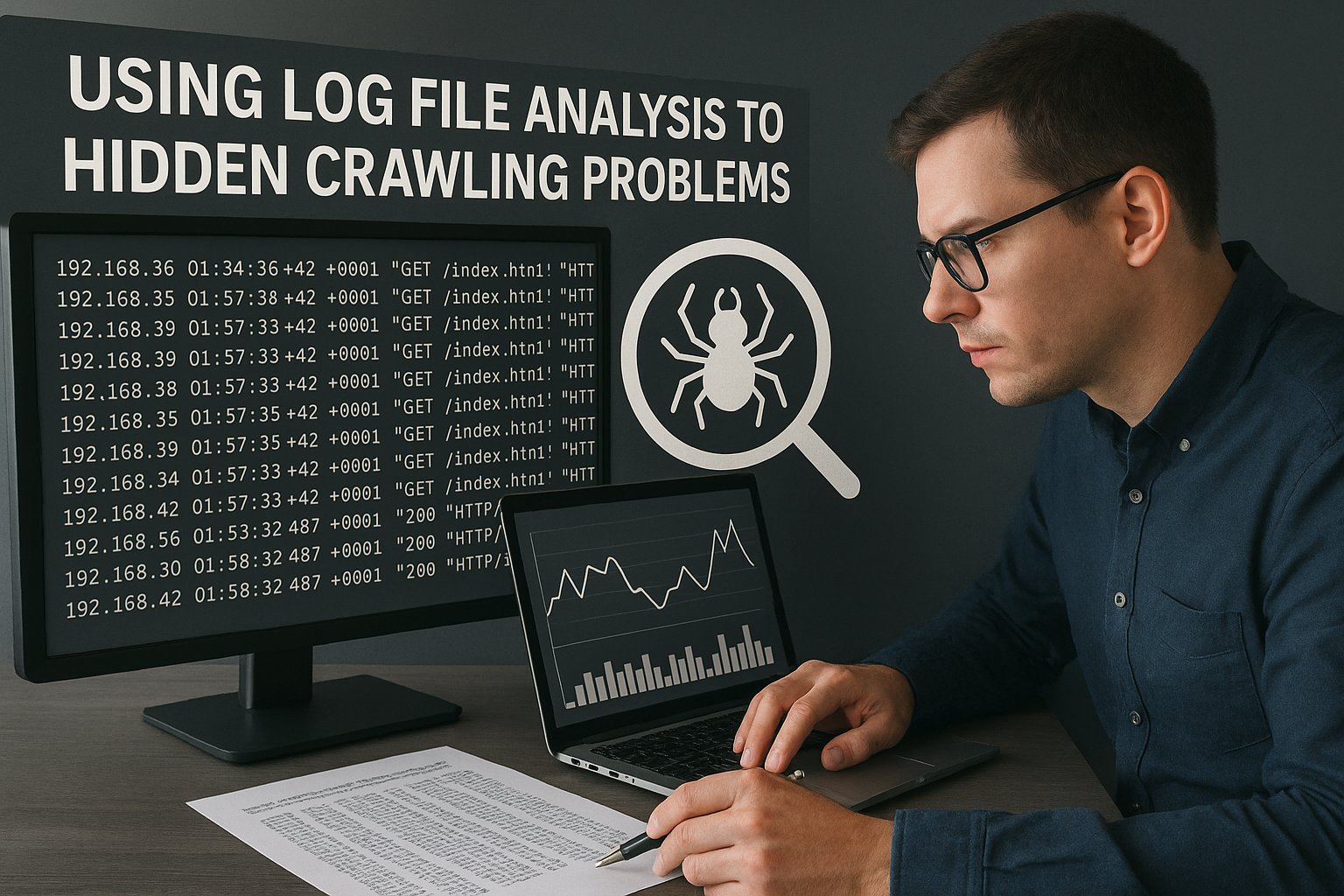
How are search engine bots really interacting with your site?
You might think they’re crawling your important pages.
But what if they’re wasting resources on old, redirected, or broken pages instead?
Spoiler: it happens. A lot.
Why Log File Analysis Matters (a.k.a. The Problems You Can’t See in Search Console)
Most SEOs rely on Google Search Console to diagnose issues. And while it’s a good tool, it’s still Google’s version of the story.
But log files?
- That’s the raw truth. You get to see:
- Which pages do bots crawl most
- Which pages do they ignore
- How often do bots return
- What response codes they receive (404s, 301s, 500s, etc.)
- And whether your site architecture is hurting you silently
This isn’t about fluff. It’s about real-world crawling issues that can destroy indexation and waste your crawl budget.
Crawl Budget: What You’re Probably Wasting
Google doesn’t have unlimited time to crawl every page on your site.
Your crawl budget = how many pages Googlebot is willing to crawl on a given day.
If that’s being burned on:
- Faceted URLs
- Infinite scroll pages
- Redirect chains
- Duplicate content
- Useless parameters
…you’re in trouble.
And here’s the worst part: you won’t even know it unless you’re running server log analysis.
Signs You Have Hidden Crawling Issues
If any of these ring a bell, it’s time to look deeper:
- Your pages take forever to get indexed
- You’ve fixed issues, but rankings don’t improve
- Some URLs never show up in GSC
- Googlebot hits junk pages more than your money pages
- Core Web Vitals and site speed reports seem fine, but traffic is still MIA
These are classic signs of crawl mismanagement. And the only way to truly confirm it is through log file analysis SEO.
How Log Analyzer Tools Help You Dig Deeper
You don’t have to manually comb through server logs (unless you're into that kind of pain).
Today’s log analyzer tools do the heavy lifting. The best ones visualize:
- Crawl frequency by bot type (Googlebot vs Bingbot, etc.)
- Crawl volume per directory or subdomain
- Response code trends over time
- Duplicate or crawl-trap URLs
- Crawl-to-indexation ratios
Popular tools include Screaming Frog Log Analyzer, JetOctopus, OnCrawl, and Botify.
And if you’re working with a solid SEO company in Ahmedabad, they better be using one of these.
How to Perform a Basic Log File Analysis
Let’s break it down step by step:
- Get Access to Your Server Logs
Usually in .log or .gz format. Ask your developer or hosting provider.
- Import into a Log Analyzer Tool
Use one that allows filtering by bot type, response code, and date range.
- Filter for Googlebot Only
This is where the money is. You want to analyze search bot behavior, not human traffic.
- Check for Key Issues
- High crawl activity on low-value pages
- 404s and 500s are being hit regularly
- Important pages are rarely crawled
- Multiple versions of the same page (www vs non-www, HTTP vs HTTPS)
- Match Crawl Data with Indexation Data
If Googlebot visits but the page isn’t indexed, something’s wrong.
Crawl Errors That Hide in Plain Sight
You might think your site’s clean. But here’s what log analysis often uncovers:
Soft 404s: Pages that look fine to users but return empty or useless content to bots
Redirect Chains: One-too-many 301s causing crawl abandonment
Blocked Pages in Robots.txt that bots still try to crawl
Dynamic URLs Crawled Excessively (like filter options in ecommerce)
Bots Ignoring Canonical Tags and crawling duplicates anyway
These issues might not crash your site, but they’re bleeding crawl efficiency every single day.
How This Fits Into a Bigger Technical SEO Audit
Log file analysis is the missing piece in your technical SEO audit puzzle.
While tools like Screaming Frog or Ahrefs audit what’s on your site, log files audit how bots experience it in real time.
It’s the only place you’ll get answers to questions like:
- Why isn’t Google crawling my blog?
- Why is this broken page still showing up in crawl data?
- Why are bots obsessed with a useless subfolder I disavowed months ago?
If your audits don’t include server log analysis, they’re incomplete. Period.
Website Crawlability: From Theory to Action
Once you’ve identified crawling issues, here’s what you do with that data:
- Restructure internal linking to guide bots to key pages
- Use disallow rules or noindex on junk URLs
- Consolidate duplicate content
- Clean up legacy redirects and 404s
- Monitor crawl patterns monthly for ongoing changes
Improving website crawlability isn’t a one-time fix. It’s a maintenance discipline. And brands that get it right consistently outperform.
The Ending Note
Want Rankings? Let Google See You First
The fastest site in the world won’t rank if Google can’t reach the right pages.
The most beautiful UX won’t matter if bots are crawling garbage.
SEO isn’t just about what users see. It’s about what crawlers experience.
That’s why log file analysis SEO is your secret weapon, the one thing most brands overlook while chasing surface-level fixes.
So, whether you’re running a blog, a B2B SaaS brand, or a massive ecommerce platform, ask yourself:
“Do I actually know what Googlebot is doing on my site?”
If the answer is no, that’s where you start.
One Final Word: Don’t Just Guess, Diagnose - With Pros Who Know How
If all this feels like too much, or you’re tired of throwing money at SEO that doesn’t move the needle, Eta Marketing Solution is your answer.
We’re not your average SEO company in Ahmedabad.
We don’t just “optimize.” We audit, decode, and act with log-level insight, advanced crawl mapping, and fixes that lead to rankings, not just reports.
Whether it’s server-level diagnostics, content strategy, or full-funnel SEO, we find what’s broken, fix it fast, and get results you can see in both traffic and revenue.
Your website might not be broken, it just might not be visible. Let’s fix that.
About the Creator
Eta marketing Solution - Best Digital Marketing Agency in india
ETA Marketing Solutions is the best Digital Marketing Agency in India, providing expert solutions in SEO, social media, PPC, and web development. We help businesses grow with data-driven strategies, innovative campaigns.
Enjoyed the story? Support the Creator.
Subscribe for free to receive all their stories in your feed.
Comments
There are no comments for this story
Be the first to respond and start the conversation.