
Unlocking Efficiency and Cost Savings Through Supply Chain Spend Analysis
Supply chain spend analysis is a basic interaction for organizations meaning to further develop effectiveness, decrease expenses, and improve generally supply chain execution.
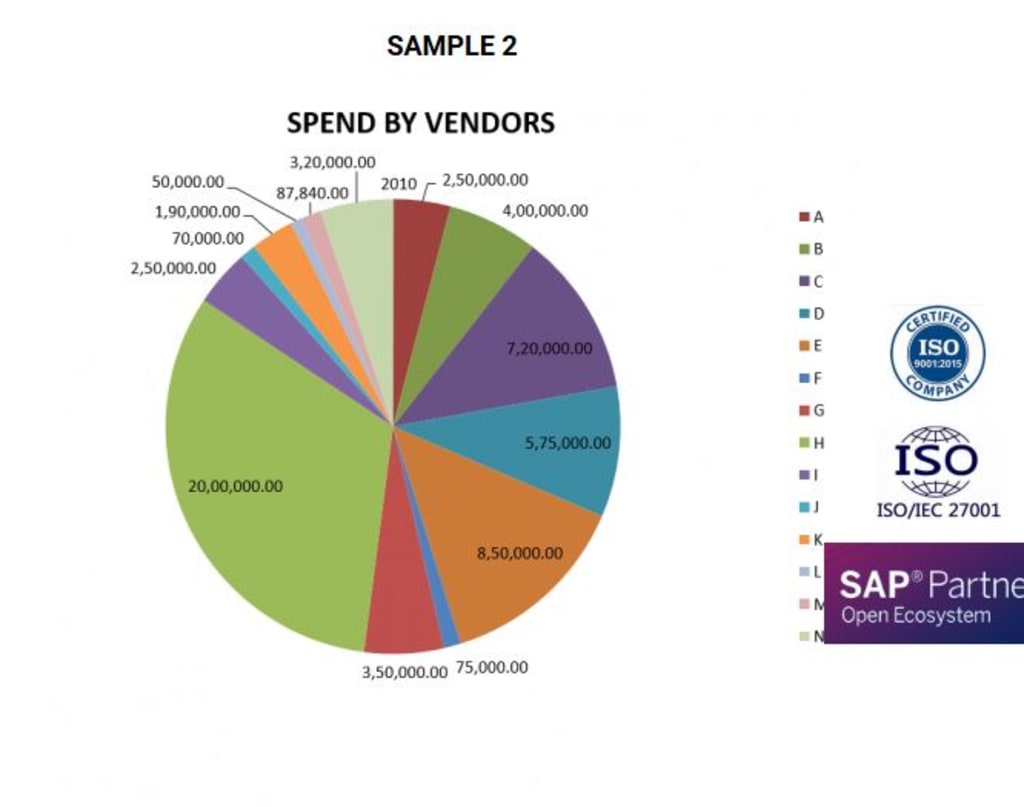
Basically, spend analysis includes gathering, purifying, ordering, and dissecting spend information to give experiences into an organization's spending designs. By looking at where and how cash is spent, associations can distinguish chances to haggle better agreements, unite providers, and kill pointless costs. This approach is fundamental in a time where supply chain intricacies and cost compels keep on developing.
What is Supply Chain Spend Analysis?
Supply chain spend analysis is the most common way of assessing all uses related with the obtainment of labor and products inside an organization's supply chain. It includes immediate and roundabout spend, provider costs, and other functional costs. By separating these expenses into clear classes, organizations gain perceivability into their spending conduct, empowering them to go with informed choices that drive esteem across the supply chain.
Spend analysis normally includes a few phases, including information assortment, information purifying, classification, and inside and out analysis. The objective is to recognize reserve funds amazing open doors and accomplish efficiencies that may not be quickly evident without organized information. High level devices and advances, including man-made consciousness (artificial intelligence) and AI, have made it more straightforward for organizations to computerize these cycles and create noteworthy experiences.
Key Advantages of Supply Chain Spend Analysis
Cost Decrease: One of the essential targets of spend analysis is to lessen costs. By understanding where cash is being spent, organizations can reveal regions where they might be overpaying for items or administrations. For example, distinguishing high-spend classes can prompt vital discussions with providers for better evaluating.
Provider Union: Spend analysis permits organizations to see which providers they are utilizing and the amount they are spending with every one. In situations where different providers offer comparable items, organizations can unite orders with less providers to use volume limits and encourage more grounded provider connections.
Improved Perceivability: With an unmistakable image of spending designs, organizations can all the more likely track and deal with their costs across divisions. This expanded perceivability makes it more straightforward to recognize abnormalities, like copy installments, cheats, or rebelliousness with favored provider arrangements.
Risk Moderation: Spend analysis distinguishes basic providers that assume a huge part in an organization's supply chain. By understanding reliance on specific providers, organizations can evaluate and relieve gambles, particularly in the event that a key provider is at monetary or functional gamble.
Information Driven Direction: Supply chain spend analysis gives exact and nitty gritty information that frames the reason for key choices. With information experiences, organizations can focus on obtaining methodologies, enhance stock administration, and designate assets all the more really.
Moves toward Leading Supply Chain Spend Analysis
Information Assortment: The initial step is gathering information from various sources, like acquirement frameworks, monetary records, and ERP (Endeavor Asset Arranging) stages. This information incorporates solicitations, buy requests, and provider contracts.
Information Purifying: Information purging includes eliminating or remedying irregularities, like copy passages or missing data. Clean information is fundamental for precise analysis, as unfortunate information quality can slant results and cutoff experiences.
Arrangement and Characterization: Spend information is then sorted in view of variables like item classification, provider, district, or division. Appropriate classification permits organizations to dive into explicit spend classifications and reveal designs.
Information Analysis: After classification, information analysis distinguishes patterns, examples, and irregularities in spending. This analysis frequently includes contrasting current spending against verifiable information with see where expenses have expanded or where reserve funds can be made.
Revealing and Activity Arranging: The last step is detailing the discoveries and making an activity plan in view of bits of knowledge acquired. Many organizations use information representation devices to introduce their discoveries in an unmistakable and significant configuration for partners.
Utilizing Innovation in Spend Analysis
With the ascent of cutting edge examination and computerization, supply chain spend analysis has become more proficient and exact. Many organizations use programming that coordinates with obtainment and ERP frameworks to naturally sort and dissect spend information. AI calculations can additionally improve exactness by gaining from past orders and changing as the need might arise. Moreover, prescient investigation can gauge future spending patterns, permitting organizations to design proactively.
Conclusion
Supply chain spend analysis is an incredible asset that goes past expense cutting; it gives organizations an essential way to deal with upgrade their supply chain. By acquiring perceivability into spending, combining providers, and utilizing information driven experiences, associations can work on their monetary wellbeing and make a stronger supply chain. In a serious business climate, putting resources into spend analysis innovation and cycles can prompt long haul reserve funds, productivity, and a more grounded position on the lookout.
About the Creator
Enjoyed the story? Support the Creator.
Subscribe for free to receive all their stories in your feed.
Comments
There are no comments for this story
Be the first to respond and start the conversation.