
Understanding Thyroid Disorders: Signs, Varieties, Triggers & Diagnostic Methods
Disorders of the thyroid are common, affecting millions worldwide, and can significantly impact health if left undiagnosed or untreated.

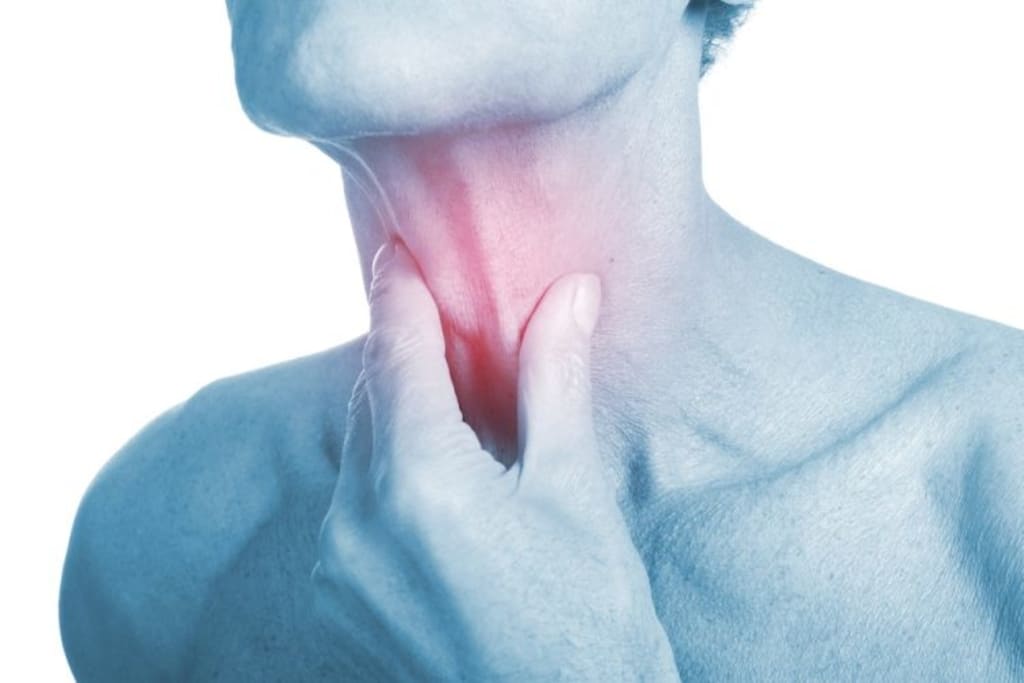
The thyroid gland, a small butterfly-shaped organ located at the base of the neck, plays a crucial role in regulating metabolism, energy production, and overall hormonal balance. Disorders of the thyroid are common, affecting millions worldwide, and can significantly impact health if left undiagnosed or untreated.
Recognizing the symptoms of thyroid disorders, understanding their types, causes, and the importance of a thyroid test are essential for early intervention and effective management.
Types of Thyroid Disorders
Thyroid disorders generally fall into two primary categories: hypothyroidism (underactive thyroid) and hyperthyroidism (overactive thyroid). However, several specific conditions can cause these states, and other structural or malignant thyroid issues also exist.
- Hypothyroidism
This condition arises when the thyroid gland fails to produce enough hormones. Common causes include Hashimoto’s thyroiditis (an autoimmune disorder), iodine deficiency, surgical removal of the thyroid, or certain medications. Hypothyroidism slows down the body’s metabolism, leading to a range of symptoms.
- Hyperthyroidism
Hyperthyroidism occurs when the thyroid gland produces an excess of hormones. Graves’ disease, toxic adenomas, thyroiditis, and certain tumors can trigger this overactivity. The body’s metabolism accelerates, often causing symptoms opposite to those of hypothyroidism.
Other Thyroid Conditions
Hashimoto’s Thyroiditis: An autoimmune disease where the immune system attacks the thyroid, leading to hypothyroidism.
- Graves’ Disease: Another autoimmune disorder, but it causes hyperthyroidism due to overstimulation of the thyroid.
- Goiter: Enlargement of the thyroid, often due to iodine deficiency or autoimmune disease.
- Thyroid Nodules: Lumps in the thyroid, which may be benign or malignant.
- Thyroid Cancer: Malignant growths in the thyroid gland, requiring specialized treatment.
Symptoms of Thyroid Disorders
The symptoms of thyroid disorders can be subtle and often mimic other health conditions, making diagnosis challenging. However, understanding the typical symptoms of thyroid dysfunction can prompt timely medical evaluation and a thyroid test.
Symptoms of Hypothyroidism
- Fatigue and excessive sleepiness
- Weight gain despite no change in appetite
- Feeling cold or having cold extremities
- Dry skin and hair loss (diffuse alopecia)
- Constipation
- Hoarse voice
- Depression and difficulty concentrating
- Muscle and joint pain
- Heavy or irregular menstrual periods in women
- Puffiness around the face, hands, and feet
- Slow heart rate (bradycardia)
Symptoms of Hyperthyroidism
- Unexplained weight loss
- Rapid or irregular heartbeat
- Anxiety, irritability, or nervousness
- Excessive sweating and heat intolerance
- Tremors in the hands
- Insomnia or trouble sleeping
- Frequent bowel movements or diarrhea
- Muscle weakness
- Lighter or less frequent menstrual periods in women
- Goiter (enlarged thyroid gland)
- Bulging eyes (in Graves’ disease)
It’s important to note that symptoms of thyroid disorders can overlap with other conditions, and sometimes the signs are mild or non-specific. This is why a thyroid test is crucial for accurate diagnosis.
Causes and Risk Factors
Several factors can trigger thyroid disorders:
- Autoimmune diseases: Hashimoto’s thyroiditis and Graves’ disease are the most common causes, where the immune system mistakenly attacks the thyroid gland.
- Iodine deficiency: Essential for thyroid hormone production, a lack of iodine can lead to goiter and hypothyroidism.
- Genetics: Family history increases the risk of thyroid diseases, especially autoimmune types.
- Medications: Certain drugs, such as lithium and amiodarone, can affect thyroid function.
- Radiation exposure: Previous radiation treatment to the neck or head can damage the thyroid gland.
- Pregnancy and postpartum changes: Hormonal fluctuations can trigger temporary thyroid dysfunction, especially in women.
Diagnostic Methods: The Role of the Thyroid Test
Diagnosing thyroid disorders relies heavily on laboratory testing. A thyroid test typically includes blood tests that measure levels of:
- Thyroid-stimulating hormone (TSH): The most sensitive marker for thyroid function.
- Free thyroxine (FT4) and triiodothyronine (FT3): Assess the actual thyroid hormone levels in the blood.
- Thyroid antibodies: Such as TPO-Ab and TRAb, help diagnose autoimmune thyroid diseases like Hashimoto’s and Graves’.
- Thyroglobulin and calcitonin: Used as tumor markers in thyroid cancer cases.
In some cases, imaging studies like thyroid ultrasound or radionuclide scans may be recommended to evaluate the structure of the thyroid or investigate nodules and goiter.
When to Seek a Thyroid Test
If you experience persistent symptoms such as unexplained fatigue, weight changes, mood disturbances, changes in heart rate, or neck swelling, consult your healthcare provider. Early detection through a thyroid test can prevent complications and improve quality of life.
Conclusion
Thyroid disorders are diverse, with symptoms ranging from subtle to severe. Recognizing the symptoms of thyroid dysfunction and understanding the importance of a thyroid test are key steps in ensuring timely diagnosis and effective treatment.
If you suspect a thyroid issue, do not hesitate to seek medical advice for proper evaluation and management.
Source: https://wheon.com/thyroid-problem-symptoms-types-causes-tests/
About the Creator
Enjoyed the story? Support the Creator.
Subscribe for free to receive all their stories in your feed.
Comments
There are no comments for this story
Be the first to respond and start the conversation.