
Understanding the Popular Skin Rejuvenation Treatment
Microneedling

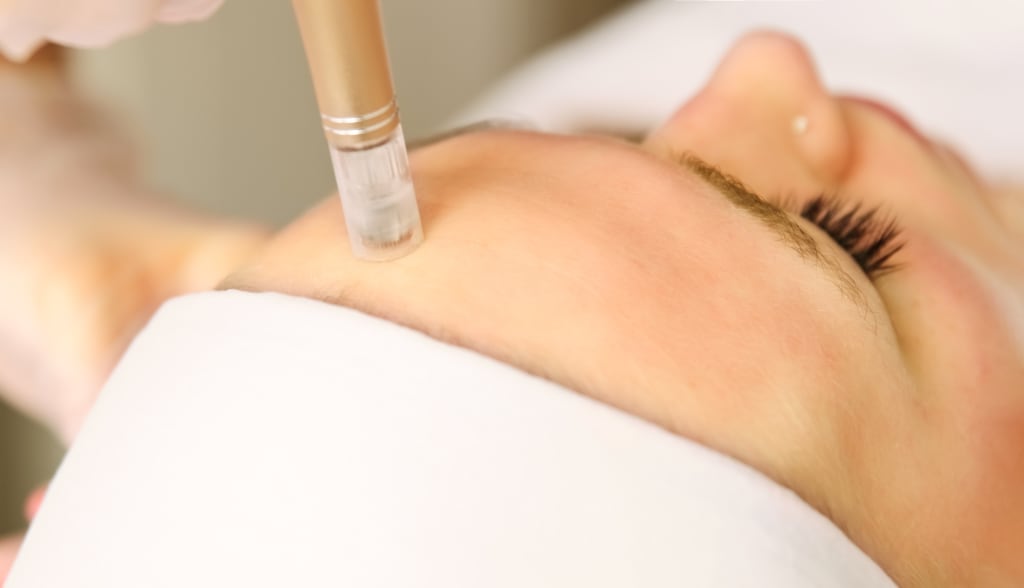
Microneedling is a cosmetic skin rejuvenation treatment that has gained immense popularity over the years between people looking to improve their skin's appearance and texture without resorting to more invasive procedures.
However, with the rise in popularity comes an increase in misinformation. This post will explore the science behind microneedling and debunk common myths surrounding the treatment. We will also explore the procedure's benefits and highlight what to expect during recovery.
Whether you are considering microneedling in virginia beach or are curious about the treatment's effectiveness, this article will provide the information you need to make informed findings about your skincare routine.
What is Microneedling?
Microneedling is a popular cosmetic procedure to boost collagen in the skin and involves using miniature, sterilized needles to create micro-punctures in the skin. As per the American Academy of Dermatology Association (AAD) research, for individuals with skin issues that have yet to respond to home remedies or other dermatological methods like chemical peels, microneedling can be a beneficial treatment option.
Recent research also recommends that microneedling may promote hair growth in people with alopecia. While more research is required to understand this possible benefit fully, it is an exciting area of exploration for this already popular procedure.
Benefits of Microneedling
Microneedling is a highly sought-after option for those looking to achieve younger-looking, smoother, and more radiant skin.
One of the most common advantages by micronnedling process is reduction of blemishes, including those caused by acne, surgery, or injury. It can also minimize fine lines and wrinkles, reduce enlarged pores, and correct skin tone by reducing hyperpigmentation or dark spots. In addition, it also improves skin elasticity and reduces the appearance of stretch marks.
Laser treatments can be harsh on the skin, and the heat involved in the process can affect skin pigmentation, which can concern people with darker skin tones. For this reason, microneedling is often preferred by individuals with darker skin tones due to safety matters associated with certain kinds of laser treatments.
Targeted Areas for Microneedling: Where and Why
Microneedling has gained popularity as a non-invasive and relatively low-risk procedure to improve skin texture, tone, and firmness. Although it is most often associated with facial rejuvenation, microneedling can also address other cosmetic concerns and skin conditions on different body parts.
The most common targeted areas are:
Face: The process is known to reduce fine lines, wrinkles, acne scars, enlarged pores, and uneven pigmentation on the face. It can also stimulate collagen production and enhance the absorption of topical products for better results.
Neck and chest: Microneedling can improve the appearance of sagging skin, wrinkles, and sun damage on the neck and chest area. It can also stimulate blood flow and promote lymphatic drainage for a more youthful glow.
Hands: Microneedling can reduce the visibility of age spots, sun damage, and fine lines on the hands, which often show signs of aging faster than other body parts. It can also improve the texture and thickness of the skin on the hands.
Abdomen and thighs: Microneedling can be combined with fillers to treat stretch marks and scars on the abdomen and thighs. It can also tighten loose skin and improve the overall texture of the skin in these areas.
Other areas that can benefit from microneedling include the back, buttocks, arms, and legs.
How Microneedling Boosts Collagen Production
Microneedling is a skin rejuvenation technique that stimulates the skin to produce more collagen, the protein responsible for maintaining the skin firm and elastic. During the procedure, tiny needles create small, controlled injuries on the skin's surface, triggering the body's natural healing process.
As the skin improves, it produces new collagen-rich tissue, resulting in smoother, more even skin tone and texture. The additional collagen also helps firm the skin, making it less prone to sagging and wrinkles.
Microneedling can be combined with other treatments, such as topical serums, radiofrequency, and platelet-rich plasma, to enhance its effectiveness. However, it's essential to consult a dermatologist to determine which additional treatments suit your skin type and budget.
Risks and Side Effects of Micro-needling
Like any cosmetic procedure, microneedling has some risks and potential side effects. The most expected side effect is minor skin irritation right after the process, which usually subsides within a few hours. And, if you experience some redness and swelling for a few days after the procedure, don't worry. In some cases, it is normal.
Also, individuals with skin conditions such as psoriasis or eczema, open wounds or active acne, recent radiation therapy, or a history of skin scarring are not be suitable candidates for the procedure.
Preparing for Your Microneedling Appointment
Before microneedling, discussing any necessary preparations with your doctor is important. They may advise you to discontinue certain medications such as ibuprofen or acne treatment medications like Accutane well in advance of the procedure.
To ensure optimal impacts and minimize the risk of skin irritation, you should also avoid using products that may increase skin sensitivity. Your doctor may recommend discontinuing topical retinoids and exfoliants before your appointment.
The Microneedling Procedure
During the microneedling procedure, a doctor will use a small, pen-like tool with sterilized needles to create controlled injuries on the skin's surface. The tiny pinpricks are so small that they are barely noticeable.
The tool is moved evenly across the skin to ensure even skin rejuvenation. Before the process, a topical anesthetic is applied to the treatment area to numb the skin, which takes approximately 30 minutes. The entire procedure lasts around 2 hours, including the time for the anesthetic to take effect.
Following the microneedling, your doctor may apply a growth serum or calming treatment to aid the skin's healing process.
What to Expect After Microneedling
Microneedling is a minimally invasive procedure that requires little to no downtime. However, you may experience skin irritation and redness for a few days following the procedure, a normal reaction to the needles' small "injuries."
You can start working, including your daily activities like work or school, immediately after the procedure, but it's best to apply sunscreen and avoid applying harsh chemicals or makeup until your skin has fully healed.
While you may notice results within a few weeks, multiple sessions and complementary treatments may be necessary to maintain the results.
Conclusion
In conclusion, microneedling is an effective and increasingly popular cosmetic procedure that offers numerous benefits for the skin. It is a highly sought-after option for those looking to achieve younger-looking, smoother, and more radiant skin.
However, research and understand the microneedling procedure before deciding if it is the right choice for you. Consultation with a qualified practitioner of microneedling in virginia beach is crucial to determine the best treatment plan and the potential risks and benefits of microneedling for each area.
About the Creator
Jessica Belz
Jessica Belz's passion for beauty and skincare is evident in her writing, where she skillfully combines expertise with empathy to guide readers on a journey of self-discovery and self-love, celebrating the unique beauty in each individual.
Enjoyed the story? Support the Creator.
Subscribe for free to receive all their stories in your feed.
Comments
There are no comments for this story
Be the first to respond and start the conversation.