
Understanding the Importance of Small Business Insurance
Small Business Insurance
Introduction:
As an entrepreneur or small business owner, you pour your heart, soul, and resources into building your dream venture. You meticulously plan, strategize, and work hard to ensure your business thrives and succeeds. But amidst the excitement of entrepreneurship, there's a crucial aspect that often gets overlooked or underestimated – small business insurance.
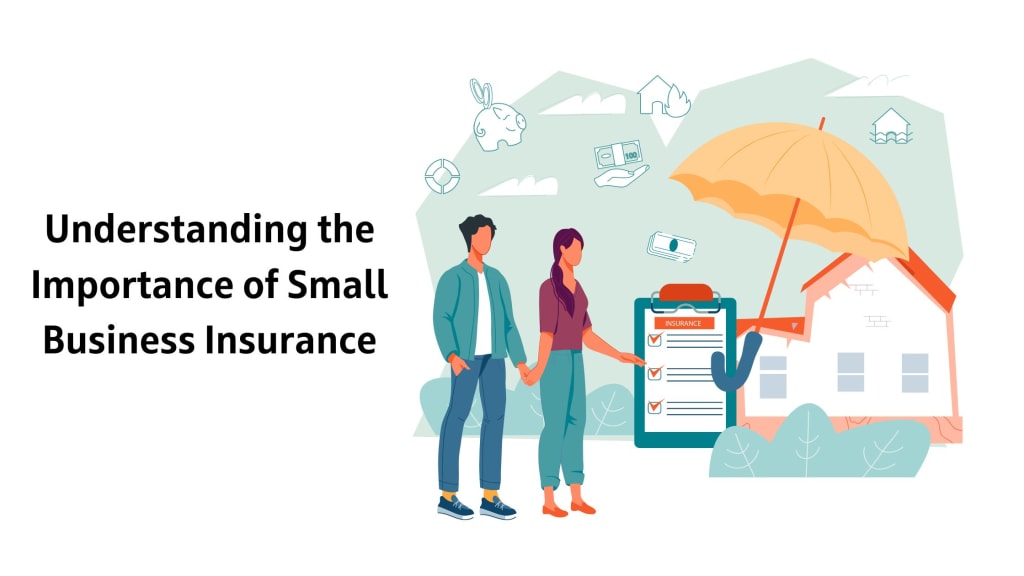
Small business insurance is not just another financial burden; it is a lifeline that can safeguard your business from unexpected and potentially devastating risks. From accidents and liabilities to natural disasters and lawsuits, unforeseen events can wreak havoc on even the most well-established businesses. Understanding the importance of small business insurance is essential in securing the future of your company and protecting the countless hours of hard work you've invested.
Small business insurance online is essential for protecting the financial well-being and stability of a business. It provides coverage against various risks and potential liabilities that could otherwise lead to significant losses. Here are some key reasons why small business insurance is important:
Liability protection: Small business insurance, particularly general liability insurance, safeguards against third-party claims of bodily injury, property damage, or personal injury that may arise from the business's operations, products, or services. Without this coverage, a single lawsuit could bankrupt a small business.
Property protection: Commercial property insurance covers the physical assets of the business, such as buildings, equipment, inventory, and furniture, in the event of fire, theft, vandalism, or other covered perils. This helps the business recover and resume operations after a loss.
Business interruption coverage: Natural disasters, accidents, or other unforeseen events can lead to business interruption and revenue loss. Business interruption insurance compensates for the lost income during the time the business is unable to operate due to covered events, helping it stay afloat during challenging times.
Employee protection: Workers' compensation insurance is typically required by law in most jurisdictions. It provides medical benefits and wage replacement to employees who suffer work-related injuries or illnesses, protecting both the employees and the business from potential legal consequences.
Professional liability coverage: Also known as errors and omissions (E&O) insurance, this coverage is vital for businesses that provide professional services or advice. It protects against claims of negligence, errors, or omissions in the services provided, ensuring that a lawsuit doesn't cripple the business.
Cyber liability insurance: In the digital age, cyber threats and data breaches pose a significant risk to businesses. Cyber liability insurance can help cover the costs associated with data breaches, such as legal fees, notification costs, and credit monitoring for affected individuals.
Peace of mind: Knowing that the business is protected against potential risks and unforeseen events provides peace of mind to business owners and stakeholders. It allows them to focus on running and growing the business without constantly worrying about potential financial setbacks.
Contract requirements: Many clients, partners, or vendors may require a business to have certain insurance coverage before entering into contracts or agreements. Having the necessary insurance in place ensures that the business can secure and maintain these valuable partnerships.
Business credibility: Small business insurance quota can enhance the credibility and trustworthiness of a business in the eyes of customers, investors, and lenders. It demonstrates that the business takes its responsibilities seriously and is prepared to handle unforeseen circumstances.
Legal compliance: In some cases, small business insurance is required by law, depending on the type of business, location, or the number of employees. Complying with these legal requirements helps avoid fines, penalties, or even the closure of the business.
Overall, small business insurance is an investment that can protect a business's financial stability and ensure its long-term success. Each business's insurance needs may vary, so it's essential to work with a knowledgeable insurance agent or broker to tailor a coverage plan that best suits the specific risks and requirements of the business.
About the Creator
Enjoyed the story? Support the Creator.
Subscribe for free to receive all their stories in your feed.
Comments
There are no comments for this story
Be the first to respond and start the conversation.