
Understanding the Diversity in Packaging Types
packaging types
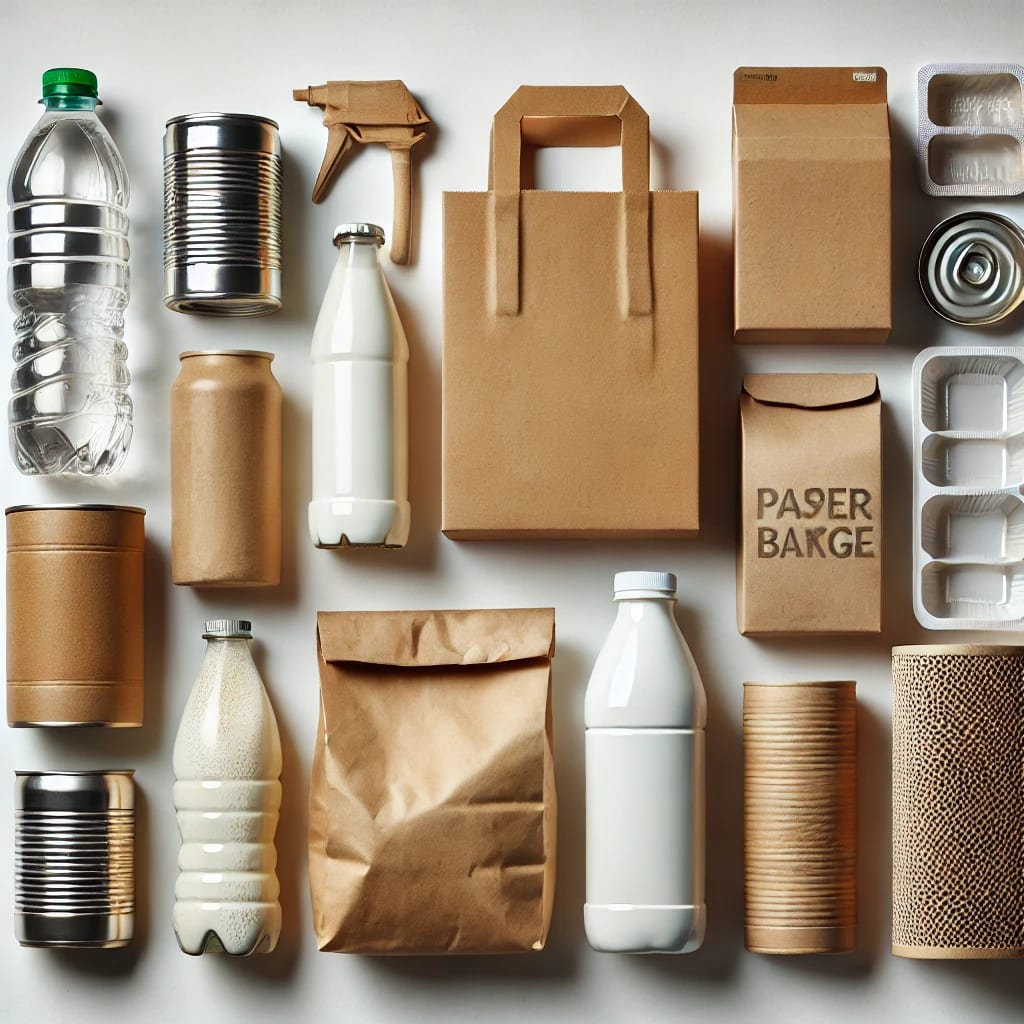
Packaging plays a crucial role in protecting products, ensuring safety, and providing convenience to consumers. Over time, the evolution of packaging has led to a wide variety of materials and designs tailored to meet the needs of different industries and consumer demands. In this article, we'll explore several common types of packaging and their unique characteristics.
1. Cardboard Boxes
Cardboard boxes are one of the most ubiquitous forms of packaging, used widely in shipping, storage, and retail. Made from paperboard or corrugated fiberboard, these boxes offer durability and protection for a range of products, from electronics to food items. Cardboard packaging is favored for its strength, lightweight nature, and recyclability, making it a staple in both business and consumer environments.
2. Plastic Bottles
Plastic bottles are commonly used for liquids such as beverages, cleaning supplies, and personal care products. The flexibility of plastic as a material allows for various shapes and sizes, catering to different needs. Despite their convenience, plastic bottles have faced scrutiny due to environmental concerns. The widespread use of single-use plastics has led to a push for more sustainable alternatives, although recycling programs have mitigated some of the negative impacts.
3. Paper Bags
Paper bags are a versatile packaging option often associated with retail and grocery stores. Made from kraft paper, these bags are biodegradable and can be recycled, making them a more eco-friendly choice compared to plastic bags. They are also customizable, allowing brands to print logos and designs, adding a marketing element to their practicality. However, paper bags have limitations in terms of durability, particularly when exposed to moisture.
4. Metal Cans
Metal cans are primarily used for preserving food and beverages. Typically made from aluminum or steel, these cans are durable, impermeable to light and air, and have a long shelf life. The use of metal cans extends beyond the food industry, as they are also employed in packaging chemicals, paints, and other industrial products. Aluminum cans, in particular, are highly recyclable, making them a preferred option for both manufacturers and environmentally-conscious consumers.
5. Glass Jars
Glass jars are renowned for their ability to preserve the freshness and quality of food products. Often used for packaging sauces, jams, and pickles, glass is non-reactive and does not leach chemicals into the contents, making it ideal for food storage. Glass jars are also used in the cosmetic and pharmaceutical industries for products that require airtight, stable conditions. While glass is infinitely recyclable, its fragility and higher energy costs associated with production are notable drawbacks.
6. Eco-Friendly Packaging
As sustainability becomes increasingly important, eco-friendly packaging options are gaining popularity. These materials are designed to minimize environmental impact, often made from renewable resources like plant fibers or biodegradable plastics. Examples include compostable bags, biodegradable packaging peanuts, and molded pulp containers. Eco-friendly packaging is not only beneficial for the environment but also enhances brand image by aligning with consumer preferences for sustainable practices.
Final Thoughts
The diversity in packaging types reflects the varied needs of industries and consumers alike. Each material—whether it be cardboard, plastic, paper, metal, glass, or eco-friendly alternatives—offers unique advantages and disadvantages, depending on the application. As the demand for sustainable practices grows, innovation in packaging will continue to evolve, balancing functionality with environmental responsibility. Understanding these packaging options can help businesses make informed decisions that meet both practical and ethical standards.
Beyond mere functionality, packaging serves as a critical touchpoint in the consumer experience, influencing perceptions of brand value and quality. Packaging is often the first interaction consumers have with a product, making it a key component in the marketing mix. As such, choosing the right packaging is not just about protection or cost-efficiency; it’s about crafting an identity that resonates with consumers while also meeting the ever-growing demand for sustainability.
About the Creator
Shahbaz
hi there i am an digital marketer working for last 4 years, i hope you will like my post :)
Enjoyed the story? Support the Creator.
Subscribe for free to receive all their stories in your feed.
Comments
There are no comments for this story
Be the first to respond and start the conversation.