
Understanding Right-Wing and Left-Wing Politics
It must be clear before you choose

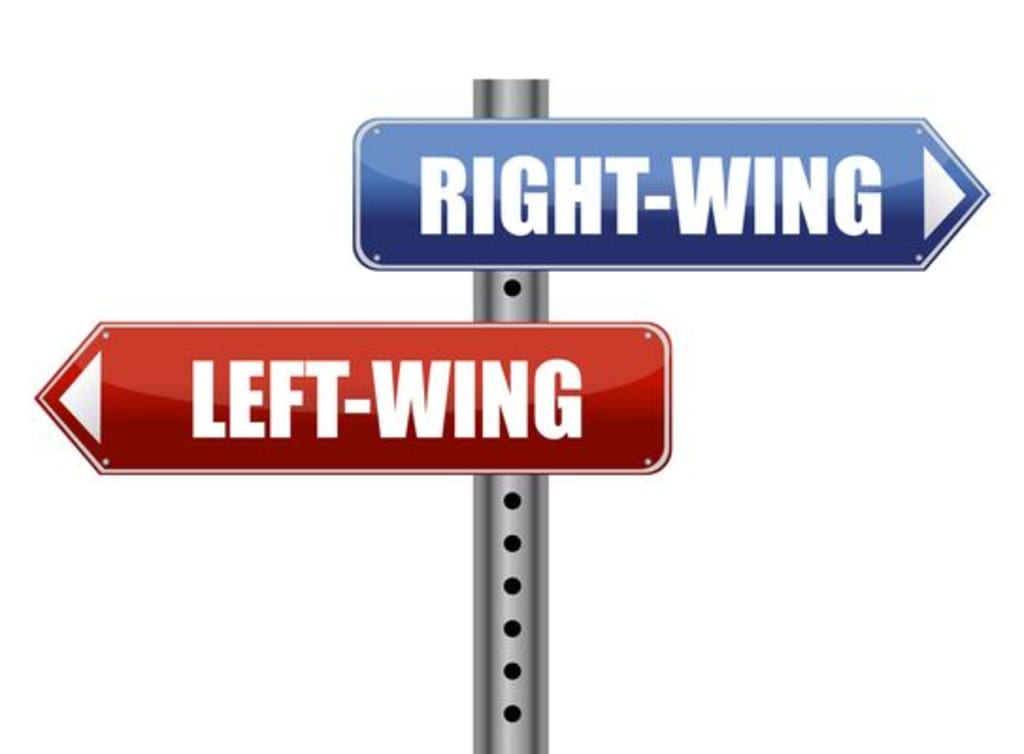
The political spectrum is a way of classifying different political positions in relation to one another. At its most basic level, this spectrum divides into right-wing and left-wing ideologies, each with distinct beliefs, policies, and historical roots. Understanding these differences is crucial in navigating modern political landscapes.
Historical Origins
The terms "right" and "left" originated during the French Revolution of 1789. Those who sat on the right side of the French National Assembly supported the monarchy and traditional institutions, while those on the left sought radical changes, advocating for republicanism and secularism.
Core Beliefs
Right-Wing Politics
Economic Policies: Right-wing politics generally emphasize free-market capitalism, privatization, and limited government intervention in the economy. They advocate for lower taxes, believing this stimulates business growth and economic prosperity.
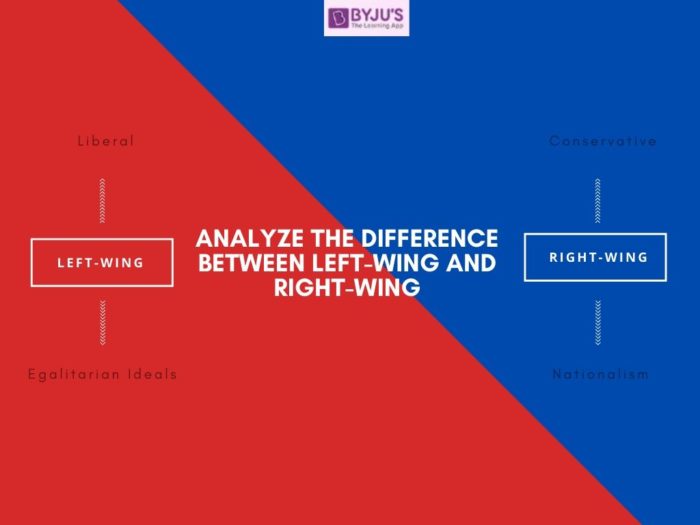
Social Policies: Traditionally, right-wing politics uphold conservative values, emphasizing family, religion, and national identity. They often advocate for strict law enforcement and strong national defense.
Role of Government: Right-wing ideologies typically favor a smaller government that limits its role in individuals' lives, promoting personal responsibility and individual liberties.
Left-Wing Politics
Economic Policies: Left-wing politics support greater government intervention in the economy, advocating for wealth redistribution, social welfare programs, and progressive taxation to reduce inequality.
Social Policies: Left-wing ideologies are often more progressive, supporting social justice, multiculturalism, and equal rights. They advocate for policies addressing issues such as healthcare, education, and workers' rights.
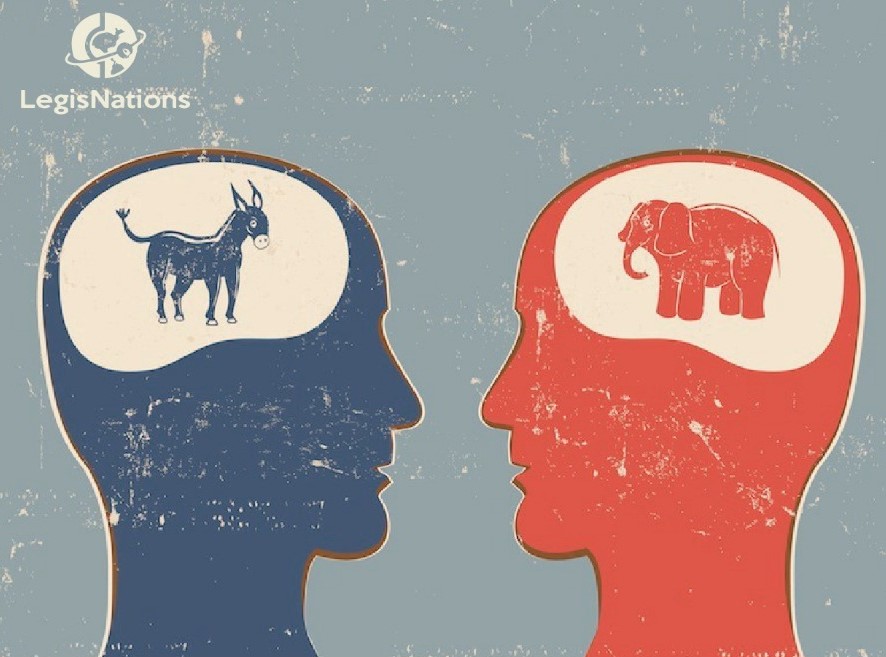
Role of Government: Left-wing politics favor a larger governmental role to ensure social equity and provide public services, viewing government as a tool to address societal issues.
Contemporary Differences
Right-Wing Parties
In modern contexts, right-wing parties may include conservatives, libertarians, and certain nationalist groups. They often prioritize traditional values, economic liberalism, and a strong national defense.
Left-Wing Parties
Left-wing parties include socialists, progressives, and certain liberal factions. They typically emphasize environmentalism, social equality, and government responsibility in safeguarding public welfare.
Global Perspectives
United States: The Republican Party represents right-wing politics, focusing on economic freedom and traditional social values. The Democratic Party embodies left-wing politics, advocating for social reforms and economic equality.
Europe: Right-wing parties like the UK's Conservative Party focus on nationalism and free-market policies, while left-wing parties such as the Labour Party emphasize social welfare and public services.
The Appeal of Right-Wing Politics
Supporters of right-wing politics may be drawn to the ideology for several reasons:
Economic Opportunities: Belief in free markets and entrepreneurship as pathways to prosperity.
Cultural Identity: Emphasis on tradition and national heritage.
Security: Strong focus on national defense and law enforcement.
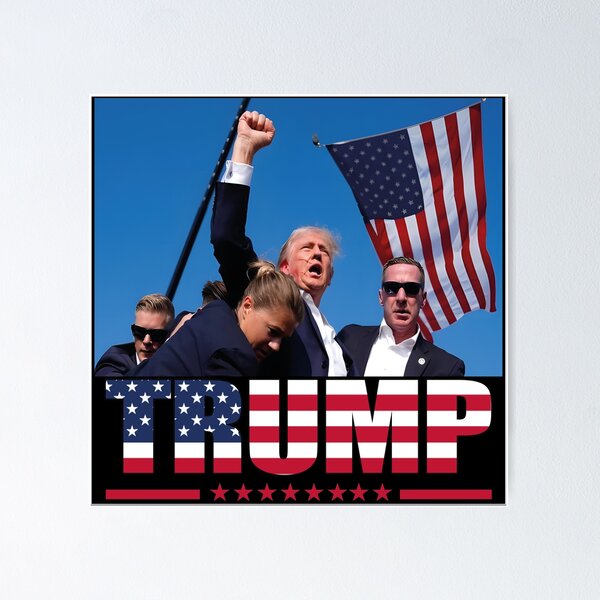
Donald Trump and Right-Wing Politics
Donald Trump, as a prominent figure in right-wing politics, has been known for his distinctive approach:
Economic Policies: Advocated for tax cuts and deregulation, promoting business growth and job creation.
Nationalism: Focused on "America First" policies, emphasizing national sovereignty and border security.
Conservative Social Values: Supported traditional values and appointed conservative judges to the Supreme Court.
Right-wing politics, with their focus on free markets, personal freedom, and national security, provide a compelling framework for creating a prosperous and free society. By prioritizing economic growth, individual responsibility, and cultural values, right-wing policies offer practical solutions to contemporary challenges, ensuring a stable and thriving future.In a political landscape marked by diverse ideologies, understanding the fundamental differences between right-wing and left-wing politics helps clarify personal political affiliations and support for leaders like Donald Trump. Whether driven by economic beliefs, social values, or national interests, right-wing politics offer a distinct vision that resonates with many Americans today.
Supporting Donald Trump aligns with right-wing principles such as economic liberalism, national security, and cultural conservatism. His policies often resonate with those who prioritize limited government intervention, traditional values, and strong national defense. The appeal lies in his focus on economic growth, national pride, and safeguarding individual freedoms.
About the Creator
Duy Phạm
https://www.amazon.com/gp/yourstore/home?ref_=nav_cs_ys
Enjoyed the story? Support the Creator.
Subscribe for free to receive all their stories in your feed.
Comments
There are no comments for this story
Be the first to respond and start the conversation.