
Understanding Prostate Cancer Symptoms: Early Detection and Diagnosis is Key
Unveiling Prostate Cancer: Decoding Symptoms for Timely Detection and Diagnosis
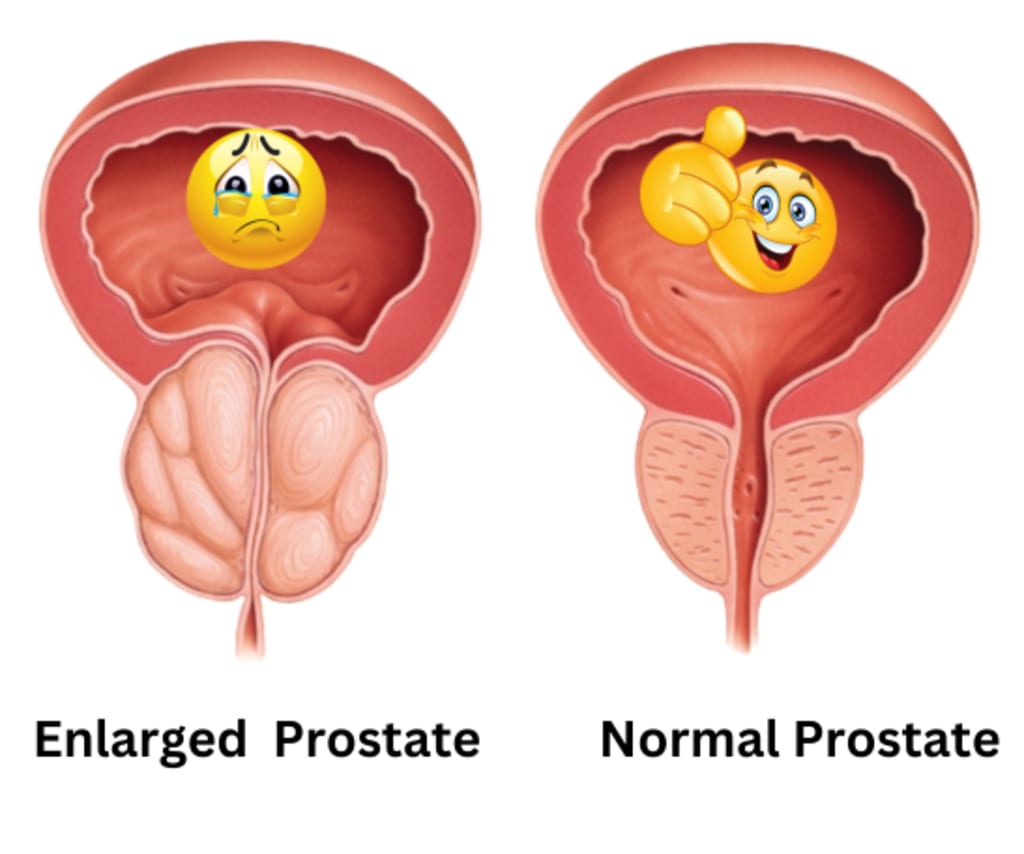
Prostate cancer is one of the most common types of cancer that affects men. According to the American Cancer Society, it is estimated that in 2021, there will be around 248,530 new cases of prostate cancer and 34,130 deaths in the United States alone.
The good news is that when detected early, prostate cancer is highly treatable. That's why it's essential to understand the symptoms of prostate cancer and the importance of early detection and diagnosis.
Prostate cancer symptoms can vary from person to person, and some men may not experience any symptoms at all in the early stages of the disease. That's why it's crucial to be aware of the potential signs and symptoms of prostate cancer, especially if you are over the age of 50 or have a family history of the disease.
Some of the most common symptoms of prostate cancer include:
Urinary problems: Changes in urinary habits are often one of the first signs of prostate cancer. This can include difficulty starting or stopping urination, weak urine flow, or the need to urinate more frequently, especially at night.
Blood in urine or semen: Another potential sign of prostate cancer is the presence of blood in the urine or semen. This can be alarming and should be reported to your doctor immediately.
Pain or discomfort: As the cancer grows, it can cause pain or discomfort in the prostate gland, pelvis, or lower back. This can be a sign that the cancer has spread to nearby tissues or organs.
Erectile dysfunction: While erectile dysfunction can be caused by a variety of factors, it can also be a symptom of prostate cancer. This is because the cancer can press against the nerves or blood vessels that are responsible for erections.
Fatigue: As with many types of cancer, prostate cancer can cause fatigue or a general feeling of weakness. This can be due to the cancer itself or as a side effect of treatments like radiation or chemotherapy.
It's important to note that these symptoms can also be caused by other conditions, such as an enlarged prostate or a urinary tract infection. That's why it's essential to see your doctor if you experience any of these symptoms, especially if they persist or worsen over time.
Diagnosing Prostate Cancer
If your doctor suspects that you may have prostate cancer, they will likely perform a series of tests to confirm the diagnosis. These may include:
Digital rectal exam (DRE): During a DRE, your doctor will insert a gloved, lubricated finger into your rectum to feel for any abnormalities in the prostate gland. While this may be uncomfortable, it is a quick and relatively painless procedure.
Prostate-specific antigen (PSA) test: The PSA test measures the level of PSA in your blood. Elevated PSA levels can be a sign of prostate cancer, but they can also be caused by other conditions, such as an enlarged prostate or a urinary tract infection.
Biopsy: If your doctor suspects that you may have prostate cancer, they may perform a biopsy to confirm the diagnosis. During a biopsy, a small sample of tissue is taken from the prostate gland and examined under a microscope for the presence of cancer cells.
Early Detection is Key
The key to treating prostate cancer successfully is early detection. That's why it's essential to be aware of the symptoms of prostate cancer and to see your doctor if you experience any of them. Regular prostate cancer screenings, including a DRE and PSA test, are also recommended for men over the age of 50 or for those with a family history of the disease.
If you are diagnosed with prostate cancer, there are several treatment options available, including surgery, radiation therapy, and hormone therapy. Your doctor will work with you to develop a treatment plan that is tailored to your specific needs and the stage of your cancer.
In conclusion, understanding the symptoms of prostate cancer and the importance of early detection and diagnosis is crucial for maintaining your health and well-being. If you experience any of the symptoms mentioned in this article, don't hesitate to see your doctor. Remember, early detection is key to successfully treating prostate cancer.
About the Creator
Enjoyed the story? Support the Creator.
Subscribe for free to receive all their stories in your feed.
Comments
There are no comments for this story
Be the first to respond and start the conversation.