
Understanding Malaria in Children: Early Warning Signs and Effective Prevention Tips
Malaria Signs & Prevention

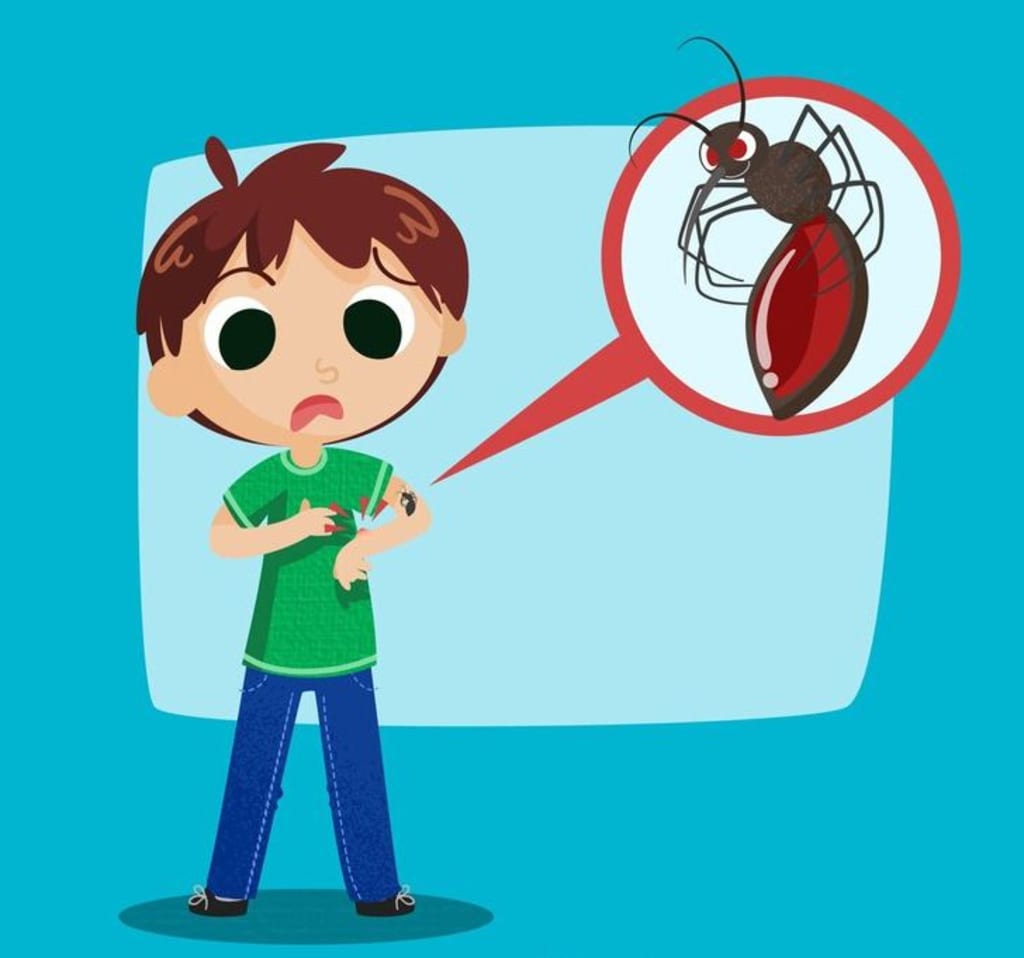
Malaria remains a major health threat for children, especially in tropical and subtropical regions. Young children are particularly vulnerable to severe illness and death from malaria, making early detection and prevention crucial for their well-being.
Early Warning Signs of Malaria in Children
Malaria symptoms in children can be subtle at first and are often mistaken for other common illnesses. Recognizing early warning signs is essential for prompt treatment:
- Fever: This is the most common and important early symptom. Any unexplained fever in a child who lives in or has traveled to a malaria-endemic area should raise suspicion.
- Chills and Sweating: Children may experience episodes of chills followed by sweating.
- Headache and Irritability: Children may complain of headaches or show increased irritability and drowsiness.
- Poor Appetite and Vomiting: Loss of appetite, nausea, vomiting, and sometimes diarrhea are common, especially in younger children.
- Fatigue and Sleepiness: Affected children may appear unusually tired or sleepy.
- Other Signs: Muscle or joint pain, rapid breathing, abdominal pain, and in severe cases, seizures, confusion, or difficulty breathing may occur.
Severe malaria can develop rapidly in children and may present with symptoms such as impaired consciousness, multiple convulsions, jaundice (yellowing of the skin or eyes), dark or bloody urine, and abnormal bleeding. Immediate medical attention is essential if any of these signs are observed.
Test for Malaria: Why Early Diagnosis Matters
Because malaria symptoms can mimic other illnesses, a reliable test for malaria is critical to confirm the diagnosis. Rapid diagnostic tests (RDTs) are widely used and can detect malaria antigens in a small blood sample within minutes, even in resource-limited settings. Microscopy remains the gold standard in many hospitals, but RDTs are invaluable for quick results. Early and accurate testing ensures timely treatment, reducing the risk of complications and death.
Effective Prevention Tips for Parents and Caregivers
Protecting children from malaria involves a combination of personal, household, and community measures:
- Use Insecticide-Treated Mosquito Nets: Ensure children sleep under mosquito nets every night, especially in high-risk areas. Nets should be intact and properly tucked in.
- Apply Insect Repellents: Use child-safe repellents containing DEET or picaridin on exposed skin and clothing.
- Dress Appropriately: Dress children in long sleeves and pants, preferably in light colors, to minimize exposed skin.
- Eliminate Mosquito Breeding Sites: Regularly empty containers that collect water around the home, such as buckets and flower pots, to reduce mosquito populations.
- Install Window and Door Screens: Fit screens to windows and doors to keep mosquitoes out.
- Consider Indoor Insecticides: Use mosquito coils or indoor sprays as recommended for additional protection.
- Vaccination and Preventive Medication: In some regions, malaria vaccines are available for children. Consult your healthcare provider about vaccines and, if traveling to high-risk areas, ask about preventive antimalarial medicines.
- Community Engagement: Participate in local malaria control programs and educate children about the importance of prevention.
Conclusion
Malaria in children can be life-threatening, but early recognition of symptoms, prompt use of a test for malaria, and consistent preventive measures can save lives. Parents and caregivers play a vital role in protecting children from this disease by staying vigilant and proactive in both prevention and seeking timely medical care.
Source: https://biopick.in/malaria-in-children-recognizing-symptoms-and-ensuring-proper-prevention/
About the Creator
Enjoyed the story? Support the Creator.
Subscribe for free to receive all their stories in your feed.
Comments
There are no comments for this story
Be the first to respond and start the conversation.