
Understanding Liver Function Tests: Applications, Types, and What Results Mean
Liver function tests are a group of blood tests that measure specific enzymes, proteins, and substances produced or processed by the liver.

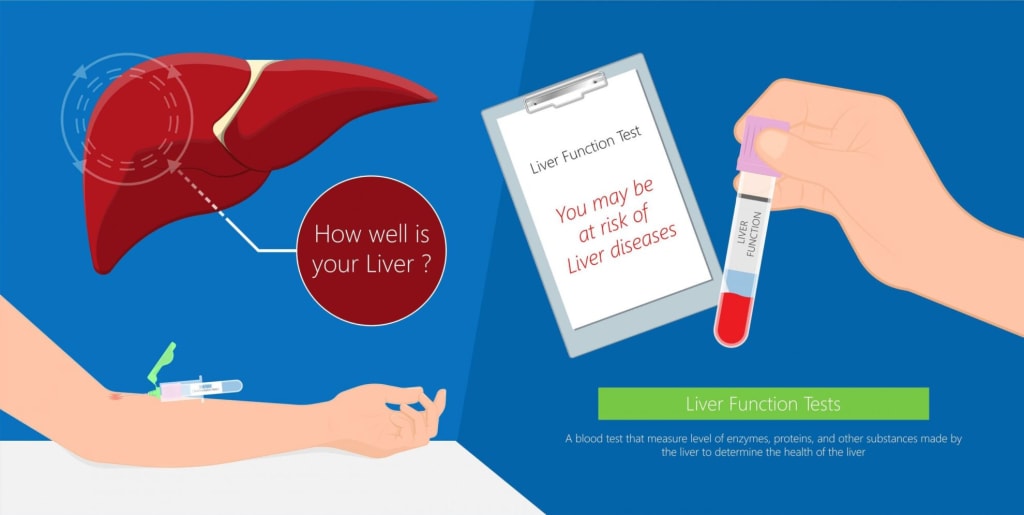
The liver is one of the most vital organs in the human body, responsible for numerous critical functions including detoxification, protein synthesis, and digestion. To maintain optimal health, monitoring liver health is essential—and that’s where a liver function test (LFT) becomes crucial. This test provides valuable insights into how well your liver is working and can serve as an early warning sign for potential issues.
In today’s digital age, with the rise of preventive healthcare and the availability of digital diagnostic tools like full body checkup app, accessing and understanding your test reports has become easier than ever. Let’s dive into what liver function tests are, their types, their applications, and how to interpret the results.
What is a Liver Function Test?
A liver function test refers to a group of blood tests that help evaluate the health and performance of the liver. These tests measure the levels of enzymes, proteins, and bilirubin in your blood. Abnormal levels can indicate liver damage, inflammation, or disease.
Doctors typically recommend liver function tests for a variety of reasons:
- To screen for liver infections such as hepatitis
- To monitor side effects of medications
- To track the progression of a liver disease
- To assess the severity of conditions like cirrhosis or fatty liver
- As part of a routine full body checkup
Key Components of Liver Function Tests
Liver function tests typically include the following:
- Alanine Transaminase (ALT):
ALT is an enzyme found mainly in the liver. Elevated levels often indicate liver damage or inflammation.
- Aspartate Transaminase (AST):
AST is another enzyme linked with liver health, though it's also found in muscles and the heart. A high AST level may also suggest liver damage but needs to be compared with ALT for better diagnosis.
- Alkaline Phosphatase (ALP):
This enzyme is linked with the bile ducts and bone. High levels might signal bile duct problems, liver inflammation, or bone disorders.
- Bilirubin:
Bilirubin is produced during the breakdown of red blood cells. High levels can cause jaundice and may point to liver or bile duct issues.
- Albumin and Total Protein:
These indicate the liver’s ability to produce proteins. Low levels may be a sign of liver dysfunction or kidney disease.
- Gamma-glutamyltransferase (GGT):
Elevated GGT levels often suggest bile duct problems or alcohol-induced liver damage.
When Should You Get a Liver Function Test?
Several symptoms or conditions may prompt your doctor to order a liver function test:
- Yellowing of the skin or eyes (jaundice)
- Persistent fatigue or weakness
- Dark urine or pale stool
- Nausea and vomiting
- Abdominal pain or swelling
- Chronic alcohol consumption
- Use of certain medications (especially long-term use)
People with a family history of liver disease, obesity, diabetes, or high cholesterol may also be advised to include LFTs in their full body checkup plans.
Role of Full Body Checkup Apps in Liver Health
Thanks to the advancement of digital health platforms, you no longer need to wait in long queues or schedule appointments weeks in advance. A full body checkup apps allows you to book tests, track results, and even consult doctors from the comfort of your home.
These apps often include options to customize your checkup packages, such as adding specific tests like liver function panels. Moreover, most apps offer digital reports that break down your results into understandable formats, flag abnormal ranges, and provide suggestions on follow-up actions. This empowers individuals to take charge of their liver health proactively.
What Do the Results Mean?
Understanding your liver function test results involves interpreting the values against standard reference ranges. Here's a general idea:
- Mild Elevation: Slightly high enzyme levels may be due to temporary conditions like medication use, infections, or strenuous exercise.
- Moderate to Severe Elevation: May indicate liver conditions such as hepatitis, cirrhosis, or alcohol-related liver disease.
- Low Albumin or Total Protein: Could suggest chronic liver disease or nutritional deficiencies.
- High Bilirubin: May be a sign of liver malfunction or obstruction in the bile ducts.
It is important to remember that one abnormal result doesn't necessarily mean liver disease. Doctors typically evaluate a combination of results and may order additional tests or imaging studies for a conclusive diagnosis.
Importance of Early Detection and Lifestyle Changes
Regular liver monitoring through full body checkups and LFTs can help detect issues early—often before symptoms appear. Early diagnosis allows for timely intervention, lifestyle changes, and in many cases, complete recovery.
Here are some tips to support liver health:
- Limit alcohol intake
- Avoid self-medication and overuse of painkillers
- Maintain a healthy weight
- Stay active
- Eat a balanced diet rich in antioxidants and fiber
- Get vaccinated for hepatitis A and B
Using a full body checkup app to schedule regular screenings and stay informed about your health status can play a vital role in maintaining long-term wellness.
Final Thoughts
The liver silently performs hundreds of critical functions every day. A liver function test is a simple yet powerful tool to ensure that your liver stays healthy. With the convenience of full body checkup apps, monitoring your liver and overall health is now just a few taps away.
By staying proactive and informed, you can prevent minor liver issues from escalating into major health concerns. Regular testing, guided by your doctor and aided by technology, is the key to a healthier, longer life.
Source: https://theopinionatedindian.com/health/liver-function-tests-uses-types-results-more/cid13437954.htm
About the Creator
Enjoyed the story? Support the Creator.
Subscribe for free to receive all their stories in your feed.
Comments
There are no comments for this story
Be the first to respond and start the conversation.