
Understanding Fence Builders, Fence Contractors, and Fence Companies
Why Fence Is Important
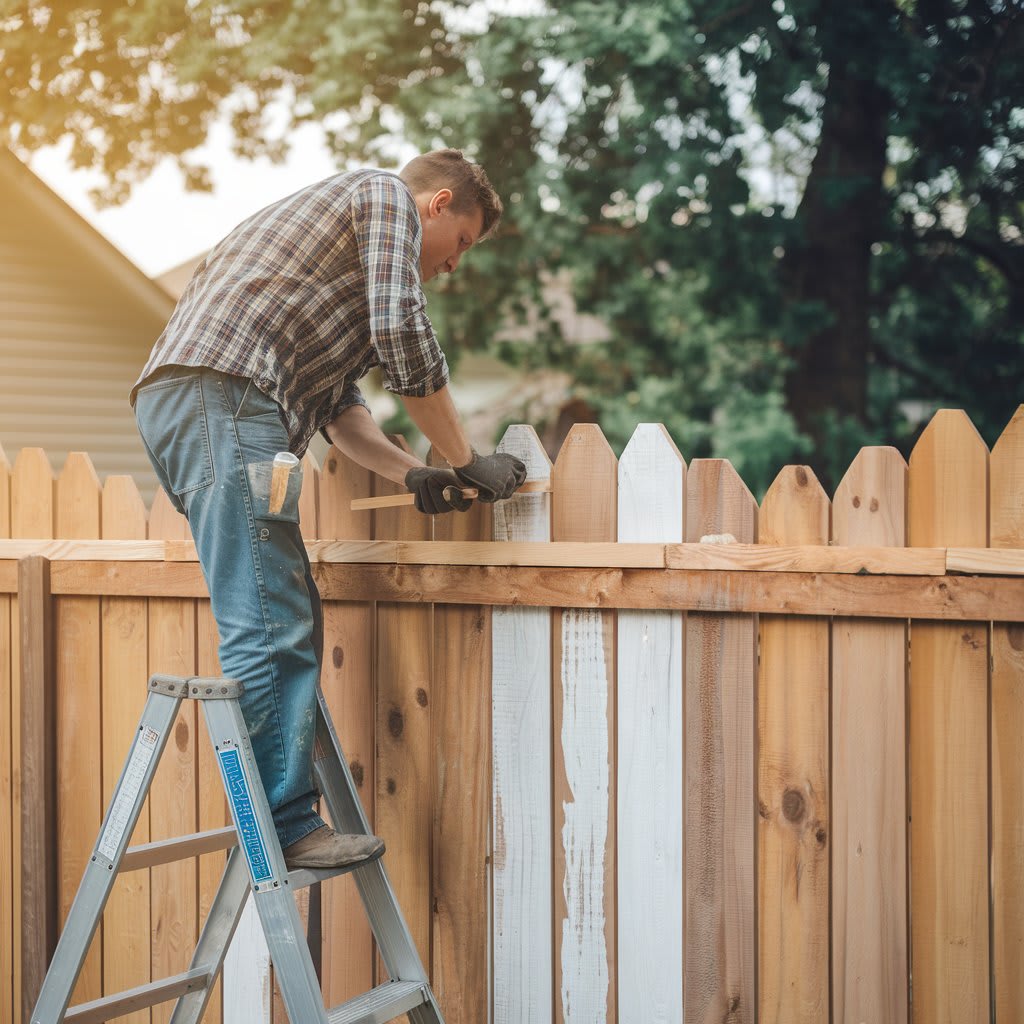
When considering a new fence installation or repair, it’s important to understand the different roles involved in the process. Whether you're hiring a fence builder, a fence contractor, or a fence company, each term represents distinct services and responsibilities. Here’s a deeper look at each and how they relate to your fencing needs.
What is a Fence Builder?
A fence builder is a skilled tradesperson whose primary responsibility is the physical construction and installation of fences. These professionals are trained in various types of fencing materials and methods, from wood and vinyl to metal and chain-link. A fence builder typically works on residential projects but can also be involved in small commercial installations. They handle the actual hands-on work—digging post holes, assembling fence panels, and ensuring the structural integrity of the fence. The role of a fence builder is limited to the physical installation and does not generally include project management or administrative tasks like obtaining permits or overseeing subcontractors.
- Key Responsibilities:
- Digging post holes.
- Installing posts and panels.
- Ensuring the fence is level and structurally sound.
- Working with various materials to meet the client’s specifications.
What Does a Fence Contractor Do?
A fence contractor takes on a broader role than a fence builder. In addition to handling the actual construction, they manage the entire project. This includes planning, organizing, and coordinating all aspects of the job. A fence contractor will typically provide the client with a detailed plan and timeline for the project, secure necessary permits, source materials, and hire and oversee subcontractors if needed. Their responsibilities extend beyond the physical installation to include managing the logistics and ensuring that the project stays within budget and on schedule.
- Key Responsibilities:
- Managing the entire project from start to finish.
- Securing permits and coordinating with local authorities.
- Sourcing materials and dealing with suppliers.
- Hiring subcontractors for specialized tasks.
- Overseeing the installation process to ensure quality and compliance with regulations.
What is a Fence Company?
A fence company is a business that provides fence builder and fence contractor services. These companies typically employ a team of skilled fence builders and fence contractors to handle different aspects of fencing projects. Fence companies offer a wide range of fencing options and can provide a one-stop solution for all your fencing needs. They are capable of handling both residential and commercial projects, from simple repairs to complex installations. A fence company often offers additional services such as gate installations, custom designs, and long-term warranties on materials and workmanship.
- Key Responsibilities:
- Offering a variety of fencing solutions including wood, vinyl, metal, and chain-link.
- Providing both fence builder and fence contractor services.
- Managing larger projects with multiple team members.
- Offering maintenance and repair services.
- Handling all necessary permits and paperwork.
FAQs About Fences and Fencing Services
What is the difference between a fence builder and a fence contractor?
A fence builder focuses solely on the construction and installation of fences, whereas a fence contractor manages the entire project, including logistics and oversight of the build process. A fence contractor takes on a more comprehensive role involving planning and project management.
How do I choose the right fence company for my project?
Look for a fence company with a solid reputation, positive reviews, a range of services, and a good understanding of your specific fencing needs. Ensure they are licensed and insured. A company that offers both fence builder and fence contractor services might be more versatile and reliable.
What types of fences can a fence builder install?
Fence builders can handle a variety of materials including wood, vinyl, metal, and chain-link. They can install basic to intricate fence designs, depending on your requirements.
Is it better to hire a fence builder or a fence contractor for a large-scale project?
For larger projects, hiring a fence contractor is often preferable because they manage the overall project, which includes coordinating with suppliers, obtaining permits, and ensuring the project remains on track. They provide a more organized and comprehensive service.
What should I expect during the installation process with a fence builder?
During installation, a fence builder will assess the site, prepare the ground, install the posts, and attach panels. They ensure the fence is not only functional but also aesthetically pleasing and structurally sound.
Can a fence company help with fence repairs?
Yes, most fence companies offer repair services. They can quickly assess damage and provide solutions to fix broken, leaning, or worn fences, saving homeowners the hassle of hiring multiple contractors for maintenance.
How long does it typically take for a fence builder to install a fence?
The time required varies based on factors like the type of fence, the size of the area, and the complexity of the project. A simple installation might take just a few days, while larger or more complex projects can take weeks.
Do fence builders require permits for installation?
Often, yes. A fence contractor usually handles the permit process, but it is important for homeowners to check local regulations to ensure compliance with building codes and requirements.
What are the benefits of hiring a fence company over a local fence builder?
A fence company typically provides a broader range of services, including customized fencing solutions, more experienced project management, and warranties. They are better equipped to handle larger, more complex projects and offer more long-term support.
Can I customize my fence with a fence contractor?
Yes, fence contractors can offer a variety of customization options, such as different styles, materials, and finishes. They can help design a fence that meets both aesthetic and functional needs, whether for privacy, security, or curb appeal.
About the Creator
Enjoyed the story? Support the Creator.
Subscribe for free to receive all their stories in your feed.
Comments