
Understanding Export Import Payment Methods: A Comprehensive Guide
Helping in understanding different export import payment methods.

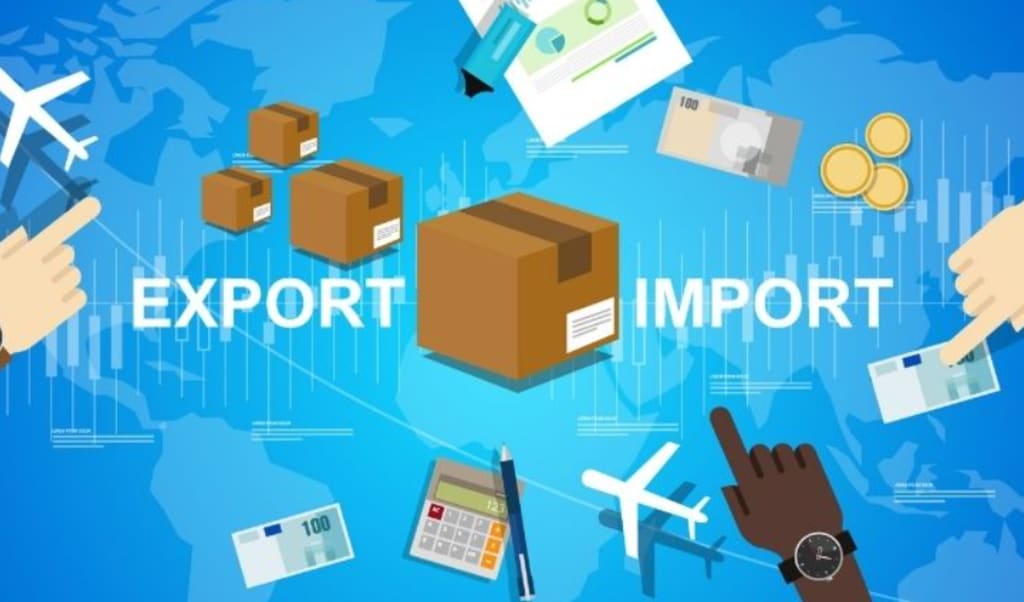
Payment is an important question that must be answered whether you are importing goods or exporting them to the international market. Unfortunately, due to the complex nature of international trade, exporters and importers often struggle with payment for their goods.
However, the rapid growth of technology and digitization has eased this process domestically and internationally. Multiple export-import payment options are available to exporters, importers, and customers. When it comes to international trade, both exporting and importing countries must follow several legal compliances and regulations. Hence, choosing the proper export-import payment method is essential to make the trade secure and seamless for both parties.
But what are these export-import payment methods? How does one choose the correct method for their business? The following blog takes you through different payment methods, including their advantages and disadvantages, to help you compare them and choose the best for your business.
Export-import Payment Method in International Trade
The process of importing and exporting goods can be complicated and often delayed due to several reasons regarding international trade. Hence, agreeing on the ruling and the payment method that best suits both parties is advised. This includes when, and how the payment for the service offered would be made.
Export-import payment terms are the conditions under which the importing and exporting parties agree to complete the payment. This is often called the payment method the exporter and importer have decided to use for the trade. Payment terms address major trading issues such as the time of payment, ownership of goods, and how the payment will be made.
The type of export-import payment terms plays a vital role as they attract good trades for sellers. Buyers sometimes delay the payment until they receive the goods or sell them. Meanwhile, sellers usually receive early payment before they send the goods or right after receiving the receipt. All of this complicates finding the right payment term to cater to the parties in the right way.
Let's understand the different types of export-import payment methods available and their advantages and disadvantages.
Types of Export Import Payment Methods
There are five main types of export-import payment methods or terms that exporters and importers usually opt for in international trade. Let's discuss them below.
1. Cash in Advance
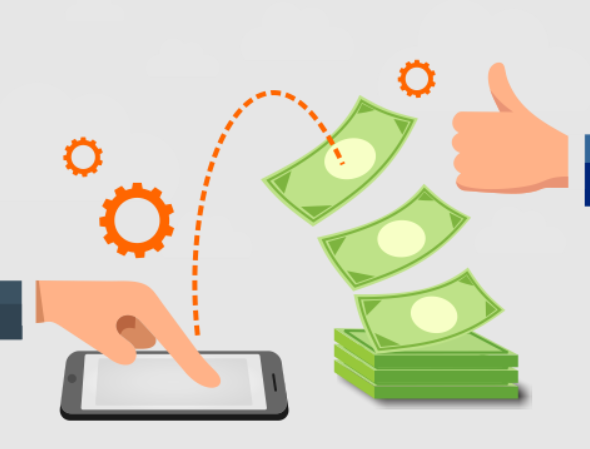
Also known as advance payment, it is a payment method in which the importer pays for the goods upfront and before shipment. The payment can be completed by any means agreed upon between the parties. Some options include wire transfers, international cheques, and debit card payments.
Advantages of Cash in Advance Payment Term
- Guarantees complete payment security to the exporter
- Eliminates the risk of non-payment
- Provides financial stability while simplifying cash flow management
- Builds trust and credibility with customers
- Offer smoother logistics and shipping
- Enables faster order fulfilment and overall control of the trade
Disadvantages of Cash in Advance Payment Term
- Deters the potential buyers
- High competitor risk
- Increased burden of upfront cost
- Limited ability to negotiate discounts.
2. Letter of Credit

Letter of credit is the most secure export-import payment method in international trade. In this method, the importer's bank provides a written confirmation assuring the exporter of payment after fulfilment of goods. A letter of credit is a document that has all the terms and conditions related to the trade.
Advantages of Letter of Credit Payment Term
- Assurance the payment from the importer's bank
- Reduces the risk of non-payment and increases the trust between both parties
- Ensures smooth transactions in international trade
- Mitigates the risks of currency exchange
- Streamlines documentation and eases the negotiation of the trade terms
Disadvantages of Letter of Credit Payment Term
- Time-consuming process
- Must adhere to the compliance required for the trade
- Results in delay because of verification and authentication
- Incurs fees
3. Documentary Collection

Documentary collection is a payment method involving both parties' respective banks. The exporter or the remitting bank works with the importer or collecting bank to complete the trade payment. Once the exporter ships the products, they submit a bill of lading to their bank, which is then sent to the importer's bank with the payment instructions. The importer is then notified to transfer the payment, which is then transferred from the collecting bank to the remitting bank. Lastly, the exporter gets the payment from their bank.
Advantages of Documentary Collection Payment Term
- Great cost-effective alternative to the letter of credit
- Offers secure and regulated payment
- Streamlines the payment procedure and reduces administrative burdens
- Enables faster order processing and shipment
- Better management of cash flow and negotiating options
Disadvantages of Documentary Collection Payment Term
- No importer verification, increase the risk of nonpayment or delays
- Limited security against cancellations or disputes
- Additional and hidden bank fees
- Involves adherence to strict compliance
There are two types of documentary collection payment terms.
a) Document Against Payment (DAP)
b) Document Against Acceptance (DA)
4. Open Account
This type of export-import payment terms involves a trade where goods are shipped before the payment is due. The payment is usually made upon the agreed credit period, which can typically range from 30 to 60 days. An open account allows the importers to easily manage their cash flow and offers flexibility to the exporters that attract customers.
Advantages of Open Account Payment Term
- Simplify transaction process
- Eliminates the need for immediate payment
- Facilitates larger transactions
- Streamline the administration and ensure smoother business relationships
- Supports long-term partnership and convenience in payment terms
Disadvantages of Open Account Payment Term
- Risk of delay or nonpayment
- Increase financial risk
- Required credit assessment to mitigate loss
- Chances of suites over the credit period
- Reduces inventory management cost
- Simplifies logistics and overhead expenses
- Offer flexibility and faster market penetration
- Offers increased sale volume and wider distribution
- Promotes brand visibility and recognition
- Lack of control over uncertainties and management
- There is no guarantee of payment
- High dependency on the distributor
- This might result in disputes over sales and overall performance
5. Consignments
Consignment is a vital export payment that involves the exporters providing and shipping the goods to buyers but collecting the payment only after the goods are sold. Exporters who have distributors or third-party agents usually opt for this payment method. The exporter usually retains the ownership of goods until the distributor sells them.
Advantages of Consignment Payment Term
Disadvantages of Consignment Payment Term
Final Note
Selecting the right export-import payment terms ensures smooth traction and builds trust between exporters and importers. Several factors, such as cash flow availability, legal compliance and regulation, and the parties' creditworthiness, must be considered when choosing the export-import payment methods.
You must also understand and analyse the competitors to select the best payment method that meets your business goals and fosters a successful trade. The exporter can easily address the complexities of international trade with strategic decision-making and careful consideration.
About the Creator
EximPe
Digitize your import export payments with EximPe - A global payment platform to send and receive payments at the best FX rates. For more info in detail, visit at https://eximpe.com/
Enjoyed the story? Support the Creator.
Subscribe for free to receive all their stories in your feed.
Comments
There are no comments for this story
Be the first to respond and start the conversation.