
Understanding Cancer Treatment Medicine: Latest Advances and Options
The future of cancer treatment medicine holds great promise.

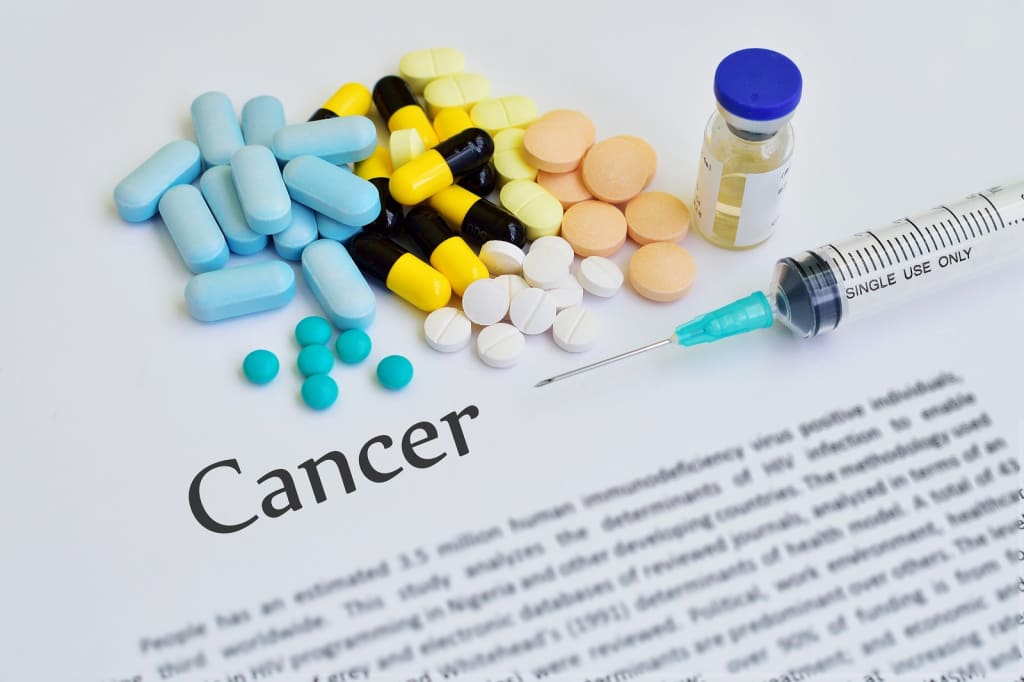
Cancer is one of the most challenging diseases to treat, but advancements in cancer medicine have revolutionized the way doctors approach care. With new therapies emerging regularly, patients now have access to more effective treatment options that increase their chances of remission and recovery. This article will explore the various types of cancer medicine, how they work, and the latest breakthroughs in the field.
Types of Cancer Treatment Medicine
The field of cancer treatment is vast, and there are several types of medicines used to treat various types of cancer. Each type of medication works differently, depending on the cancer and the individual’s specific condition. Here are the main types of cancer treatment medicine:
Chemotherapy Chemotherapy has been the cornerstone of cancer treatment for many years. It uses powerful drugs to target and kill rapidly dividing cancer cells. While chemotherapy is effective in treating a wide range of cancers, it can also affect healthy cells, leading to side effects like hair loss, fatigue, and nausea. Despite these side effects, chemotherapy remains one of the most commonly used forms of treatment.
Targeted Therapy Targeted therapy is a newer approach that focuses on targeting specific molecules involved in cancer cell growth. Unlike chemotherapy, which affects both cancer and healthy cells, targeted therapy is designed to be more precise, causing less damage to healthy cells. This type of cancer medicine is often used for cancers with specific genetic mutations or abnormalities.
Immunotherapy Immunotherapy is one of the most promising areas of cancer research. This type of treatment works by boosting the body's immune system to help it fight cancer more effectively. Immunotherapy medicines can stimulate the immune system to recognize and attack cancer cells. It has shown remarkable success in treating cancers like melanoma, lung cancer, and some types of leukemia.
Hormone Therapy Some cancers, such as breast and prostate cancer, grow in response to hormones. Hormone therapy involves using drugs that block or lower the levels of these hormones, slowing down or stopping cancer growth. This treatment can be effective for patients with hormone-sensitive cancers and is often used in conjunction with other treatments like surgery or radiation.
Stem Cell Transplant Stem cell transplants, also known as bone marrow transplants, are used to replace damaged bone marrow with healthy stem cells. This treatment is particularly useful for cancers like leukemia or lymphoma. By restoring healthy blood-forming cells, stem cell transplants can help patients recover from the damage caused by chemotherapy or radiation.
How Cancer Treatment Medicine Works
The effectiveness of cancer treatment medicine depends largely on the type of cancer being treated, as well as the stage and location of the disease. Cancer cells tend to grow uncontrollably and can spread to other parts of the body, making it difficult to treat. Medications work in different ways to target these cells:
Killing Cancer Cells: Chemotherapy and radiation therapy are designed to kill cancer cells by damaging their DNA, which prevents them from dividing and growing.
Blocking Growth Signals: Targeted therapies and hormone treatments work by blocking the signals that cancer cells need to grow and multiply.
Stimulating the Immune System: Immunotherapy drugs enhance the body’s immune system to recognize and destroy cancer cells more effectively.
Latest Advances in Cancer Treatment Medicine
Recent breakthroughs in cancer medicine have provided new hope for patients and doctors alike. Some of the most exciting developments include:
CAR-T Cell Therapy Chimeric Antigen Receptor T-cell (CAR-T) therapy is a groundbreaking immunotherapy approach that involves modifying a patient’s T-cells to better recognize and attack cancer cells. This technique has shown significant promise in treating blood cancers, such as leukemia and lymphoma, and is now being studied for other types of cancer.
Targeted Drugs for Genetic Mutations Advances in genetic testing have allowed doctors to identify specific mutations in cancer cells that may be targeted with tailored medications. Drugs like trastuzumab for HER2-positive breast cancer or osimertinib for EGFR-mutated lung cancer are examples of how targeted therapies are making treatments more personalized and effective.
Liquid Biopsies Liquid biopsies are a less invasive method of detecting and monitoring cancer. By analyzing blood samples, doctors can identify genetic mutations or traces of cancer cells, allowing for earlier detection and more precise treatment decisions. This approach is being integrated into routine care for certain types of cancer.
Immunotherapy Combinations Researchers are also studying the effects of combining different immunotherapy drugs to increase their effectiveness. For instance, combining checkpoint inhibitors with other immunotherapies has led to impressive results in patients with melanoma and lung cancer.
The Future of Cancer Treatment Medicine
The future of cancer treatment medicine holds great promise. As researchers continue to explore new drugs and therapies, we can expect even more personalized treatments that target cancer more precisely with fewer side effects. Innovations such as gene editing, advanced immunotherapy, and personalized vaccines may soon play a key role in how we approach cancer care.
With these advancements, the hope is that more cancers will become manageable or even curable, offering patients better survival rates and improved quality of life.
Conclusion
Cancer treatment has evolved significantly over the years, with new medications and therapies offering patients better outcomes and fewer side effects. Whether through chemotherapy, immunotherapy, or targeted therapies, cancer medicine continues to improve and transform the way we fight this challenging disease. As research progresses, the future of cancer treatment looks brighter, giving patients and their families new hope in the battle against cancer.
About the Creator
The whole list Doc
At The Whole List Doc, we are here to help you identify the root causes of your chronic disease Together, we will create a personalized healing plan that allows you to live your life with optimal health!
Enjoyed the story? Support the Creator.
Subscribe for free to receive all their stories in your feed.
Comments
There are no comments for this story
Be the first to respond and start the conversation.