
Understanding Body Mass Index
Its Role in Weight Loss

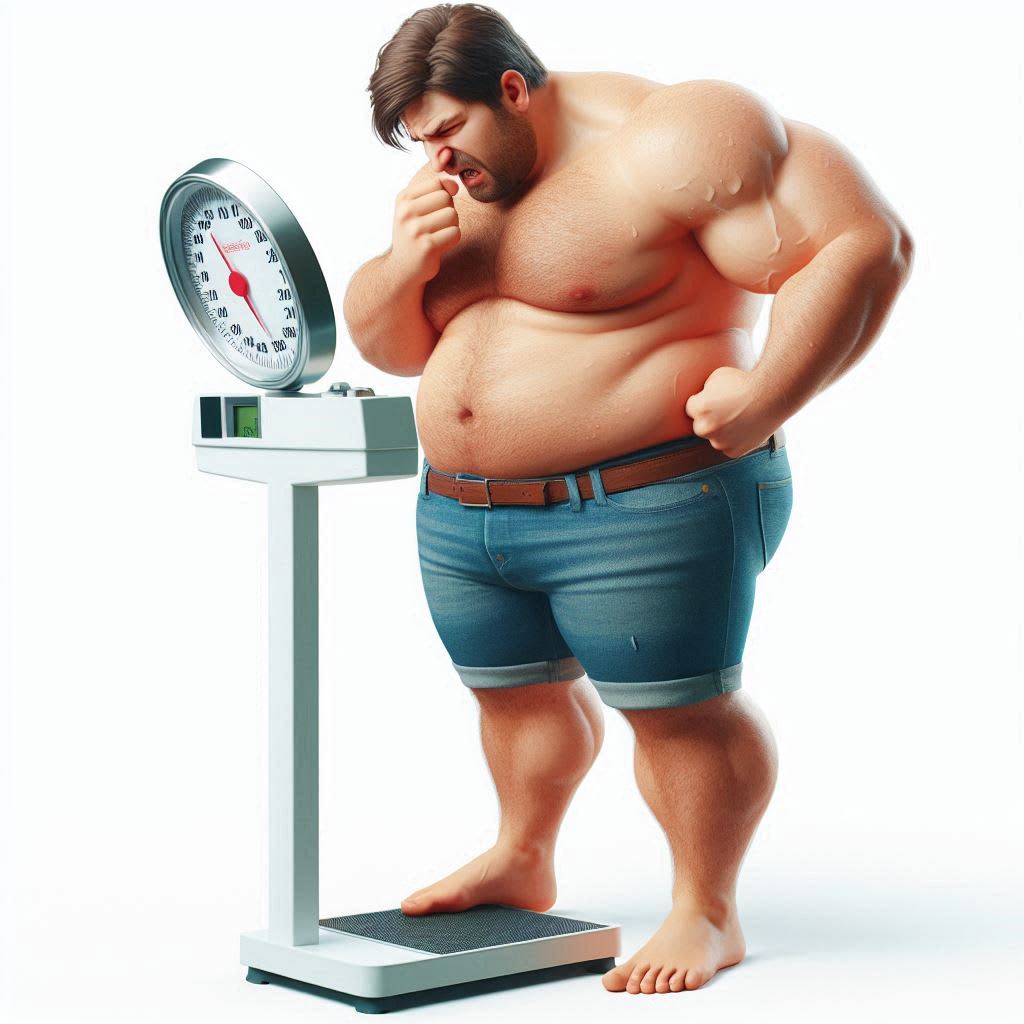
In a world increasingly aware of health and fitness, Body Mass Index (BMI) has emerged as a standard measurement tool for categorizing body weight. Despite its limitations, BMI serves as a useful starting point for individuals embarking on weight loss journeys. This article explores BMI’s significance, its relationship to weight loss, and practical strategies for achieving a healthier lifestyle.
What is Body Mass Index?
Body Mass Index is a simple calculation that compares an individual’s weight to their height to determine whether they have a healthy body weight. The formula is as follows: \[ BMI = \frac{weight(kg)}{height(m)^2} \]
The resulting figure is categorized into various ranges:
Underweight:** BMI less than 18.5
Normal weight:** BMI 18.5 - 24.9
Overweight:** BMI 25 - 29.9
Obesity:** BMI 30 or higher
While BMI is widely used and provides a quick assessment of body weight relative to height, it does not account for factors such as muscle mass, bone density, and distribution of fat, which can all influence overall health. Thus, while BMI is a useful metric, it should not be the sole determinant of health.
The Importance of BMI in Weight Loss
Monitoring BMI can be beneficial for those looking to lose weight, as it offers a straightforward method to establish a baseline and track progress over time. Understanding where you fall within the BMI categories can motivate you to make healthier choices and set realistic weight loss goals. For example, if you fall into the overweight or obese categories, reducing your weight could not only lower your BMI but also significantly improve your overall health, reducing the risk of chronic conditions such as heart disease, diabetes, and certain types of cancer.
Realistic Weight Loss Goals
When embarking on a weight loss journey, it is essential to set achievable goals. A safe and sustainable rate of weight loss is typically 1-2 pounds per week. Drastic weight loss methods can be tempting but often lead to short-term results and could be detrimental to overall health. Instead, focus on small, consistent changes to create lasting habits.
1. Consult a Healthcare Professional: Before starting any weight loss program, consider consulting a doctor or registered dietitian to personalize a plan that suits your needs. They can help you assess your BMI and overall health, tailoring advice to your unique circumstances.
2. Balanced Diet: Aim for a well-rounded diet rich in fruits, vegetables, lean proteins, and whole grains. Consider reducing processed foods, sugar, and saturated fats. Mindful eating practices, such as listening to your body's hunger cues and avoiding distractions during meals, can also help regulate portion sizes.
3. Regular Physical Activity: Incorporating regular exercise into your routine is vital for weight loss and maintaining a healthy BMI. Aim for at least 150 minutes of moderate aerobic activity or 75 minutes of vigorous activity each week, combined with strength training exercises twice weekly. Find activities you enjoy, such as dancing, swimming, or hiking, to make the process enjoyable and sustainable.
4. Stay Hydrated: Drinking water can aid in weight loss. Sometimes, our bodies confuse thirst with hunger, leading to unnecessary snacking. Staying hydrated can help suppress appetite and improve metabolic function.
5. Track Your Progress: Keep a journal or utilize apps to monitor your food intake, exercise, and changes in BMI. Tracking progress not only provides accountability but also allows you to identify patterns and make necessary adjustments to your weight loss strategy.
Beyond BMI: A Holistic Approach to Health
While BMI can offer insights into weight categories, remember that health is multifaceted. Mental well-being, muscle composition, and metabolic health are crucial components often overlooked by this simplistic number. Instead of focusing solely on BMI, consider a holistic approach that encompasses physical activity, balanced nutrition, mental health, and sleep quality.
Conclusion
Body Mass Index can be a helpful tool in the quest for weight loss and overall health, but it is important to remember its limitations. By adopting realistic goals, focusing on balanced nutrition, and maintaining active lifestyles, individuals can achieve a healthier weight and improved well-being. Ultimately, the journey toward better health should be viewed as a long-term commitment rather than a quick fix, emphasizing sustainable habits that promote a happier, healthier life.
As you embark on your weight loss journey, keep in mind that every body is unique, and the most successful paths are those tailored to your individual needs and circumstances.
About the Creator
HealthVibes
Welcome! I'm a dedicated wellness advocate focused on providing practical and effective weight loss tips for everyone. For more about weight loss, visit: weight loss tips
Enjoyed the story? Support the Creator.
Subscribe for free to receive all their stories in your feed.
Comments