
The Body Can Work Against Your Weight Loss Goals
It's true! When trying to shed those extra pounds, you're not just battling your cravings, but also your own body. When you lose adipose tissue (body fat), the levels of the hormone leptin, responsible for signaling the sensation of satiety, decrease, while the levels of ghrelin, the hunger-stimulating hormone, increase. This hormonal imbalance can persist for quite some time.
That's why those who follow various diets and successfully lose weight often struggle to maintain the lost weight after the diet ends. If you cut out too many calories to lose weight, your body may enter a sort of hibernation mode to avoid starvation, leading to a slowdown in metabolism. Once you've achieved your weight loss goal, consistently eating just a little more can result in rapid weight gain. Gradually increasing calorie intake after dieting is a smart approach.
No Quick Fixes for Weight Loss
If you're seeking rapid weight loss, it's important to understand that there are no magic pills or miraculous cures that can do the trick. Quick, restrictive diets can wreak havoc on your metabolism and affect your long-term weight loss efforts. The key is to start your weight loss journey slowly and consistently. Aim to lose 1-2 kilograms per week, which is a more manageable and effective approach.
Exercise Alone Isn't the Answer
While exercise does play a crucial role in weight loss, trying to shed pounds solely through physical activity without paying attention to your diet can be challenging. To burn half a kilogram, you would need to expend more than 3,500 calories. Alternatively, you could eat very little and exercise vigorously, but this can be difficult to sustain. The ideal approach is to combine a healthy, low-calorie diet with regular physical activity.
Dietary Supplements Aren't the Solution
The allure of supplements claiming to boost metabolism can be tempting, but there's no scientific evidence to support their effectiveness. Numerous studies have shown that starving diets and weight loss supplements don't actually help shed pounds. Instead, the desired results come from portion control, regular physical activity, and the support of loved ones. A calorie-restricted, healthy diet combined with exercise is necessary for successful weight loss.
Fad Diets Don't Work
Those grapefruit diets, cabbage soup diets, or apple cider vinegar regimens might promise to melt away fat and help you slim down, but they're incredibly restrictive and difficult to sustain, potentially harming your metabolism. It's best to stick to diets that provide your body with essential nutrients and not forget the importance of physical activity.
Don't Fear Healthy Fats
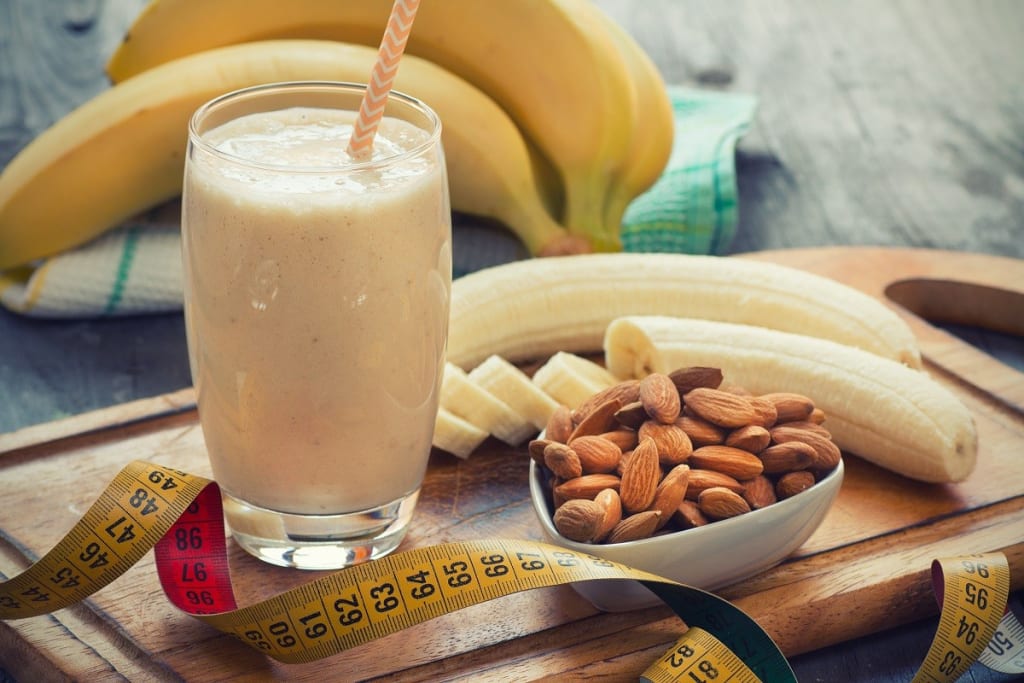
Eliminating all fats from your diet isn't always the best way to lose weight, especially if some of your favorite fat-free foods are high-calorie pastries and snacks. Opt for healthy fats from sources like almonds and fatty fish instead.
Not Every Diet Works for Everyone
Each individual's body is unique, so a diet that works for one person might not necessarily work for another. When choosing the best weight loss approach, consider your overall health, family history, metabolic function, activity level, age, gender, likes, and dislikes. Your diet should still allow you to enjoy some of the foods you love. Remember, not every diet works for everyone, so create a personalized weight loss plan that suits you best.
Get Enough Sleep
Through partially understood mechanisms, insufficient sleep can hinder weight loss. Additionally, chronic fatigue can make it challenging to follow a weight loss plan or engage in physical activities regularly.
Men Can Eat More Than Women
While it may not sound fair, men can generally consume more calories without gaining weight compared to women. This is due to their larger size, higher muscle mass, and increased levels of testosterone that promote muscle growth. Men's bodies are genetically designed to have more muscle and less fat than women's, as they don't need to store energy for the childbirth process.
Lifestyle Changes Are Key
If you want to lose weight and maintain it in the long run, you must change your behaviors, not just until you reach your desired weight, but throughout your life. This is crucial because once you stop a diet, there's a high likelihood of regaining weight. For successful weight loss, adopt healthy eating choices at every meal, engage in regular physical exercise, and avoid overindulging.
Remember, sustainable weight loss is a journey, and it's essential to find a balance that works for your unique body and lifestyle. Make smart choices, be patient with yourself, and celebrate your progress along the way.
About the Creator
Enjoyed the story? Support the Creator.
Subscribe for free to receive all their stories in your feed.
Comments