
Top DevOps Automation Tools and Technologies in 2024
Techify Solutions
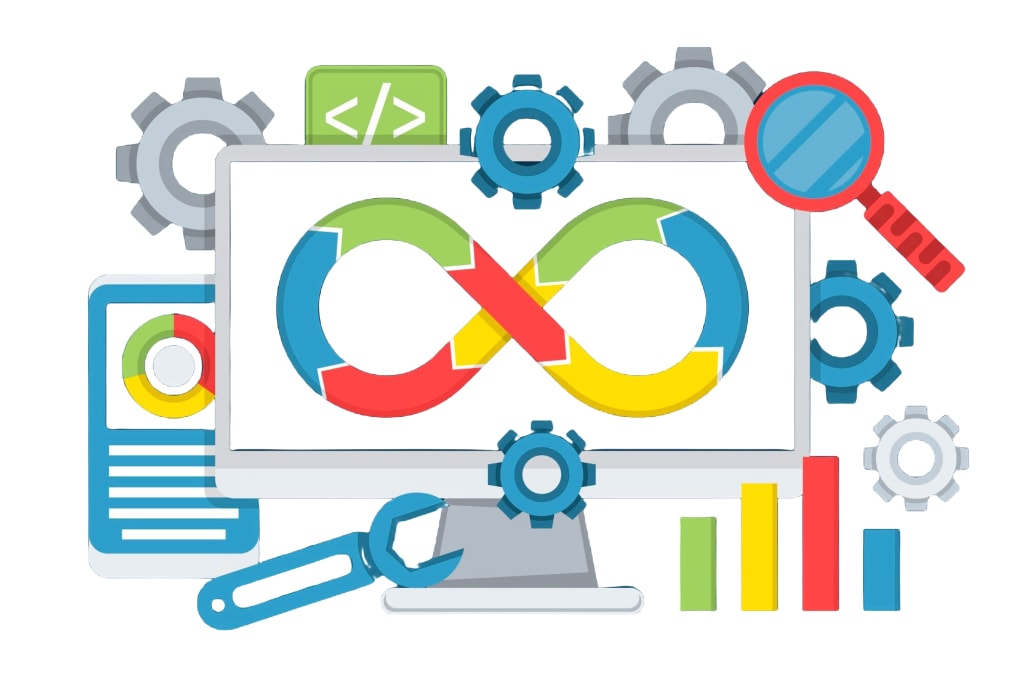
In 2024, DevOps automation continues to revolutionize software development by streamlining processes, improving collaboration, and accelerating delivery pipelines. With the rapid adoption of cloud technologies and continuous integration/continuous deployment (CI/CD) practices, selecting the right DevOps automation tools and technologies is essential for companies aiming to remain competitive. In this blog, we’ll explore the top DevOps automation tools that are shaping the industry in 2024, and how businesses can leverage these solutions with DevOps Automation Services to enhance productivity and efficiency.
1. Jenkins: A Versatile CI/CD Powerhouse
Jenkins remains one of the most popular DevOps automation tools in 2024, largely due to its vast plugin ecosystem and active open-source community. It allows seamless integration with various stages of the CI/CD pipeline, offering high flexibility and scalability.
Key Features:
- Automated build and testing capabilities
- Continuous integration support
- Easy-to-configure pipelines with Jenkinsfile
- Scalable with cloud-based infrastructures
Jenkins, when paired with expert DevOps Automation Services ensures that organizations can scale their continuous delivery efforts effortlessly, automating manual processes while minimizing errors.
2. Docker: Revolutionizing Containerization
Containerization has become a core part of modern DevOps practices, and Docker continues to lead the way in 2024. Docker allows developers to package applications into containers, which ensures consistency across various stages of development, testing, and production.
Key Features:
- Lightweight, portable containers
- Seamless integration with cloud platforms
- Streamlined deployment processes
- Strong community support
Utilizing DevOps Automation Services with Docker ensures businesses can deploy, scale, and manage containerized applications across different environments, enhancing efficiency and reducing costs.
3. Kubernetes: The Ultimate Orchestration Tool
Kubernetes has solidified its position as the go-to orchestration platform for managing containerized workloads. In 2024, Kubernetes is even more powerful, with advanced features for automation, monitoring, and scaling, making it indispensable for DevOps teams.
Key Features:
- Automated container orchestration
- Self-healing and auto-scaling capabilities
- Integration with popular CI/CD tools
- Improved security and monitoring
By integrating DevOps Automation Services with Kubernetes, organizations can streamline complex workflows, reducing the need for manual intervention and ensuring robust application performance.
4. Ansible: Simplifying IT Automation
Ansible is a leader in IT automation, helping businesses automate repetitive tasks like configuration management, application deployment, and task orchestration. Ansible’s agentless architecture makes it a user-friendly tool, while its declarative language simplifies infrastructure management.
Key Features:
- Agentless architecture
- Simplified playbook configuration
- Integration with cloud platforms
- Strong support for multi-tier applications
With the support of DevOps Automation Services Ansible can help businesses automate and manage large-scale IT infrastructure efficiently, saving time and resources.
5. Terraform: Infrastructure as Code (IaC) at Scale
Terraform continues to be a must-have tool for infrastructure as code (IaC) in 2024. It enables developers to define infrastructure using code, ensuring that environments are consistent, scalable, and easily repeatable. Terraform’s compatibility with various cloud providers makes it a preferred choice for modern DevOps teams.
Key Features:
- Declarative infrastructure management
- Cross-cloud support (AWS, Azure, Google Cloud)
- State management for infrastructure resources
- Seamless integration with CI/CD pipelines
Integrating Terraform with DevOps Automation Services allows businesses to automate infrastructure provisioning and management, enhancing the scalability and resilience of their cloud environments.
6. GitLab: A Unified Platform for DevOps Automation
GitLab offers a comprehensive DevOps platform with integrated features for source control, CI/CD pipelines, and DevOps automation. In 2024, GitLab continues to stand out as a robust tool for teams looking for an all-in-one solution.
Key Features:
- Integrated CI/CD pipelines
- Collaboration tools for development teams
- Container registry and Kubernetes integration
- Security scanning and compliance tools
Through DevOps Automation Services GitLab can accelerate the software development lifecycle by providing end-to-end automation from code to production.
7. Prometheus and Grafana: Monitoring and Visualization
Monitoring is critical to ensuring the health of your DevOps pipelines, and in 2024, Prometheus and Grafana are the industry standards for monitoring and visualization. These tools allow teams to keep a close eye on infrastructure and application performance, ensuring early detection of issues and minimizing downtime.
Key Features:
- Prometheus: Time-series data collection and alerting
- Grafana: Customizable dashboards for data visualization
- Integration with various cloud platforms
- Robust monitoring and alerting capabilities
With DevOps Automation Services businesses can automate monitoring tasks, ensuring proactive management of system health and performance.
Conclusion
As 2024 progresses, DevOps automation tools and technologies continue to advance, offering more features and flexibility to meet the demands of modern software development. By integrating top tools like Jenkins, Docker, Kubernetes, and Terraform, companies can streamline their workflows, reduce human error, and accelerate delivery cycles.
Partnering with DevOps Automation Services allows organizations to unlock the full potential of these tools, ensuring seamless integration, continuous improvement, and a competitive edge in a fast-paced digital world.
About the Creator
Techify Solutions INC
Techify stands as the fastest-growing global tech company, with a presence in India and the United States and a diverse client base spanning India, USA, Australia, and UAE.
Enjoyed the story? Support the Creator.
Subscribe for free to receive all their stories in your feed.
Comments
There are no comments for this story
Be the first to respond and start the conversation.