
Top 7 Sources Of Plant Protein
A Guide To A Better Life
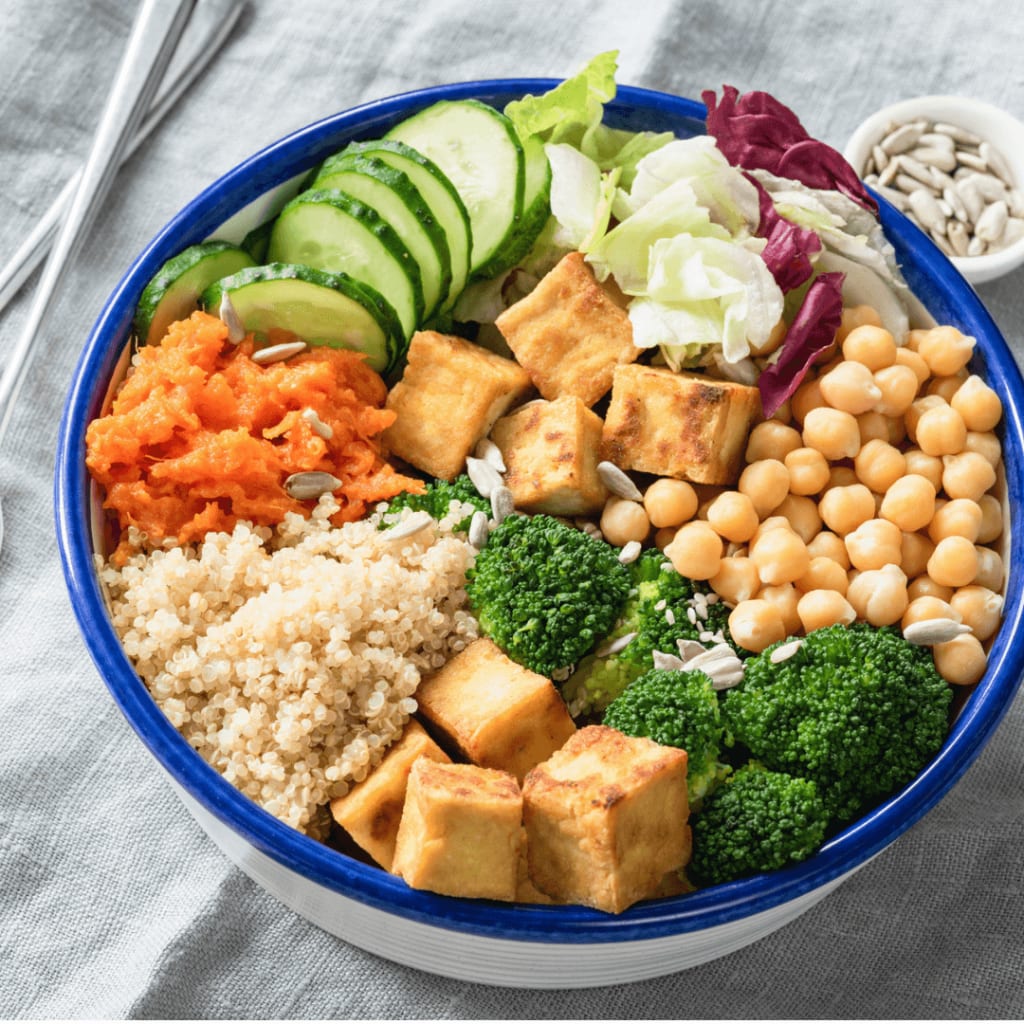
Consumption of plant-based foods is on the rise. Western society is beginning to recognize the abundance of plant protein and its potential health benefits. Here are my top 7 plant protein sources in no particular order.
Tempeh is plant protein Number Seven, and it’s jam-packed with over 30 grams of plant protein per cup. It’s a fermented food that’s a probiotic and lowers cholesterol, making it one of the most potent plant proteins on the planet. Tempeh is also incredibly versatile. You can eat it as a taco, bowl, salad, burger, or as a bacon. There’s just so many ways to enjoy it.
Quick Fact: Protein is easy to get your hands on. The recommended daily allowance (RDA) for a man weighing 170 pounds is 64 grams per day. That’s not very much. In fact, according to Stanford Professor Chris Gardner, most Americans get twice as much RDA just by eating enough calories.
Lentils are plant protein Number Six. They are also one of the most affordable. I often buy them for less than $1 per pound. They are fast to cook and are a nutritional powerhouse. A cup of lentils contains 18 grams of plant-based protein and 16 grams of fiber. They also provide one-third of your daily iron intake. Try this delicious lentil dal recipe.
https://thewanderlustkitchen.com/indian-red-lentil-dal/
Quick Fact: Numerous studies have shown that people who consume more plant-derived protein have a longer life expectancy. These studies cannot prove that plant protein is the cause of longevity. The researchers are trying to eliminate confounders such as body mass index (BMI), alcohol consumption, tobacco use, physical activity, and diabetes. However, there may be other dietary differences among plant eaters that explain the benefits. Therefore, it is nearly impossible to prove a causal relationship beyond a reasonable doubt and may never be 100% certain. However, given the well-documented health benefits of plant-based diets, it is likely that they contribute to longevity as well.
Edamame is plant protein Number Five. Edamame is a fresh, unprocessed soy bean. You can buy edamame fresh or frozen.. Edamame has 19 g of plant protein per cup, which is nearly one-third of the recommended daily allowance (RDA) for an average size man. Edamame can be enjoyed as a snack, with garlic, or as a complete meal. Try this delicious spicy garlic Edamame recipe.
https://www.onegreenplanet.org/vegan-recipe/spicy-garlic-edamame/
Hummus is plant protein Number Four. Hummus is a plant-based protein that can be made at home in a variety of ways. It is a simple blend of chickpeas, making it an ideal option for those seeking a more natural and cost-effective option. Alternatively, it can be purchased pre-made and can be used as a creamy salad, snack, or side dish.
Quick Fact: It is often assumed that plant protein is deficient in certain amino acids, however, this is not the case. All plants contain nine amino acids, and the proportions between them can vary, so consuming a variety of plants can ensure a balanced diet. Additionally, it was previously believed that plant protein is less digestible, however, the most recent research in humans has demonstrated that there is no significant difference between the digestibility of animal and plant proteins. As humans consume a large amount of protein, any minor differences in digestibility are not significant in practice. Although there are some exceptions, such as elderly individuals with digestion issues, for the majority of people, animal and plant proteins provide all the necessary amino acids.
Oatmeal is plant protein Number Three. Oatmeal is an excellent source of plant protein, although it is not as high in protein as other grains such as legumes. A cup of oatmeal contains approximately 10 grams of protein, and when combined with almonds, flax, or chia seeds and any milk desired, it can provide up to 25 grams of protein per serving for breakfast. Additionally, oatmeal is rich in fiber and healthy fats.
Chia Seeds are plant protein Number Two. Chia seeds are an excellent source of plant protein, providing up to five grams of protein per three tablespoons. Additionally, chia seeds can be added to oatmeal or chia pudding to provide almost 20 percent of daily calcium requirements and half of daily iron intake. Furthermore, soluble fiber from chia seeds can help to reduce cholesterol levels and support the health of the microbiome. Additionally, omega-3 fatty acids can be found in chia seeds. Hemp seeds are also an excellent source of protein, providing more than double the protein content of chia seeds.
Quick Fact: In longevity studies, even a small dietary shift of three percent from animal to vegetable protein resulted in a reduction in mortality. Similar results have been observed in heart disease and a variety of other conditions. Therefore, if you wish to consume 100 plants, then by all means, do so. However, if you would rather not consume them, even small dietary changes have been associated with benefits.
Greens are plant protein Number One. This number one spot serves as a reminder that there is a significant amount of protein in green leafy vegetables. Examples of green leafy vegetables that are high in protein include kale, broccoli, asparagus and more. This is a welcome bonus to them being a delicious addition to any meal.
Thank you for reading this far and I wish you the best of luck on your beautiful journey ahead towards a healthier and happier lifestyle. You will always have a place in this loving and conscientious world. I encourage you all to grow your knowledge and seek out all that which calls to you. Until next time, with love and kindness.
About the Creator
Enjoyed the story? Support the Creator.
Subscribe for free to receive all their stories in your feed.
Comments
There are no comments for this story
Be the first to respond and start the conversation.