
Top 5 Heart Tests You Should Know About for Early Detection of Heart Disease
Best 5 Heart Test Kit for Checking Heart Disease
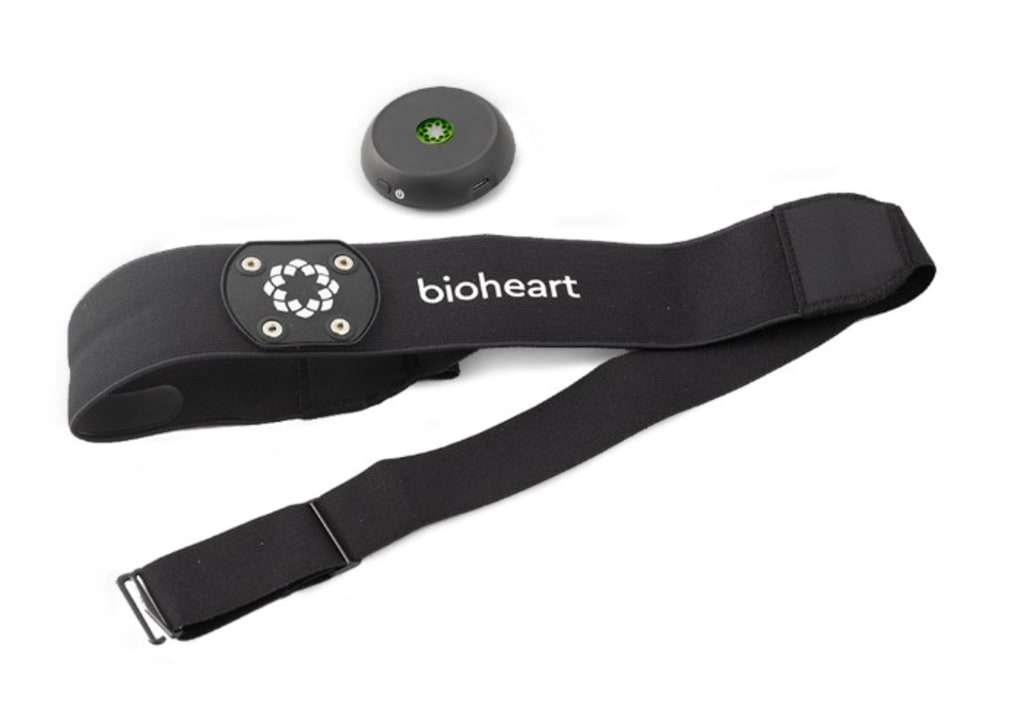
Heart disease remains one of the leading causes of death worldwide, but the good news is that early detection can save lives. Modern diagnostic technology allows doctors to identify potential issues with the heart before they escalate into serious conditions. By undergoing routine heart tests, you can stay ahead of potential problems and take proactive steps to manage your health.
In this blog, we’ll explore the top 5 heart tests you should be aware of for early detection of heart disease. These tests help identify risk factors, diagnose heart conditions, and monitor overall heart health. If you’re at risk for heart disease or have a family history of heart issues, these tests are critical for detecting problems before they become life-threatening.
1. Electrocardiogram (EKG or ECG)
One of the most common and fundamental tests for heart disease is the electrocardiogram (EKG or ECG). An EKG measures the electrical activity of your heart, providing essential information about its rhythm, rate, and any irregularities. It’s a quick, painless test that records the heart’s electrical impulses to detect issues like arrhythmias, heart attacks, and other heart conditions.
Why It’s Important:
Arrhythmia Detection: An EKG can identify irregular heartbeats (arrhythmias) that might lead to stroke or heart failure.
Heart Attack Diagnosis: It’s one of the first tests performed after a heart attack to assess the extent of damage.
Ongoing Monitoring: EKGs are also useful for monitoring patients with known heart conditions.
When Should You Get One?
If you experience chest pain, dizziness, or irregular heartbeats, an EKG is an essential first step in diagnosis. It’s often recommended during routine checkups, especially for individuals over 40 or those with risk factors like high blood pressure or diabetes.
2. Echocardiogram
An echocardiogram (or echo) is an ultrasound of the heart. It uses sound waves to create images of the heart’s chambers, valves, and blood vessels. This test allows doctors to assess the heart’s function, structure, and how well blood is flowing through it.
Why It’s Important:
Heart Valve Issues: It can detect problems with the heart valves, such as stenosis or regurgitation.
Heart Function Assessment: An echo can measure the heart’s pumping efficiency, helping doctors evaluate heart failure or cardiomyopathy.
Detects Fluid Buildup: It can show if there’s excess fluid around the heart, which may indicate heart failure.
When Should You Get One?
An echo is usually performed if you have symptoms such as shortness of breath, chest pain, or a known heart condition that needs monitoring. It’s also commonly done for individuals who have heart murmurs or a family history of heart disease.
3. Stress Test
A stress test (also called an exercise stress test) evaluates how well your heart performs under physical exertion. During the test, you’ll typically walk on a treadmill or cycle on a stationary bike while being monitored with an EKG. The goal is to measure how the heart responds to increased activity levels.
Why It’s Important:
Detects Heart Disease: The test can reveal issues such as blocked arteries, which may not be apparent when the heart is at rest.
Identifies Exercise Intolerance: A stress test can indicate whether the heart is able to handle physical activity, which is critical for diagnosing heart failure.
Uncovering Symptoms: If you experience chest pain or shortness of breath during exercise, this test can help pinpoint the cause.
When Should You Get One?
If you’re experiencing unexplained chest pain or shortness of breath, or if you have risk factors for heart disease (like a family history or high cholesterol), a stress test is an important diagnostic tool. It’s also used for people who have previously had heart problems and need ongoing monitoring.
4. Blood Tests (Lipid Profile and High-Sensitivity C-Reactive Protein)
While blood tests don’t directly assess heart function, they play a crucial role in identifying risk factors for heart disease. A lipid profile and high-sensitivity C-reactive protein (hs-CRP) test are two key blood tests often used to assess heart disease risk.
Lipid Profile: This test measures the levels of cholesterol and triglycerides in your blood. It checks for high levels of LDL cholesterol (the "bad" cholesterol) and low levels of HDL cholesterol (the "good" cholesterol). High LDL and low HDL levels are linked to an increased risk of heart disease.
High-Sensitivity C-Reactive Protein (hs-CRP): This test measures the level of CRP, a protein in the blood that indicates inflammation. Elevated levels of CRP can suggest an increased risk of heart disease, as chronic inflammation is often associated with the buildup of plaque in the arteries.
Why They’re Important:
Lipid Profile: Identifies high cholesterol levels, which contribute to plaque buildup in the arteries (atherosclerosis), leading to heart attacks and strokes.
hs-CRP: Provides an early indication of cardiovascular risk, even in individuals with normal cholesterol levels.
When Should You Get Them?
You should get a lipid profile and hs-CRP test as part of your routine checkup, especially if you have risk factors like obesity, diabetes, or a family history of heart disease. The American Heart Association recommends getting a lipid profile every 4–6 years for adults over the age of 20.
5. CT Coronary Angiogram
A CT coronary angiogram (CTA) is a non-invasive imaging test that uses a CT scanner to create detailed images of the heart’s blood vessels. It helps identify coronary artery disease (CAD), which is the narrowing or blockage of the arteries due to plaque buildup.
Why It’s Important:
Early Detection of CAD: The CTA can detect coronary artery disease at an early stage, before it causes symptoms like chest pain.
Assessment of Blockages: It provides detailed images of the coronary arteries, allowing doctors to assess the severity and location of any blockages.
Non-invasive: Unlike traditional coronary angiography, which involves threading a catheter through the arteries, a CTA is non-invasive and doesn’t require surgery.
When Should You Get One?
A CT coronary angiogram is typically recommended for people with risk factors for heart disease but who have no obvious symptoms. It can also be used in people with chest pain to rule out coronary artery disease.
Final Thoughts: Early Detection Saves Lives
Heart disease is a silent killer, often progressing without noticeable symptoms until it’s too late. Regular heart tests can help you and your doctor identify early signs of heart disease, enabling early intervention and lifestyle changes that can prevent serious health problems down the road.
If you're concerned about your heart health, talk to your healthcare provider about which tests are right for you. Early detection is the key to a long and healthy life.
About the Creator
Enjoyed the story? Support the Creator.
Subscribe for free to receive all their stories in your feed.
Comments
There are no comments for this story
Be the first to respond and start the conversation.