
Top 5 Benefits of Architectural Rendering for Real Estate Marketing
Revolutionizing Property Presentation and Sales Success

Understanding Architectural Rendering
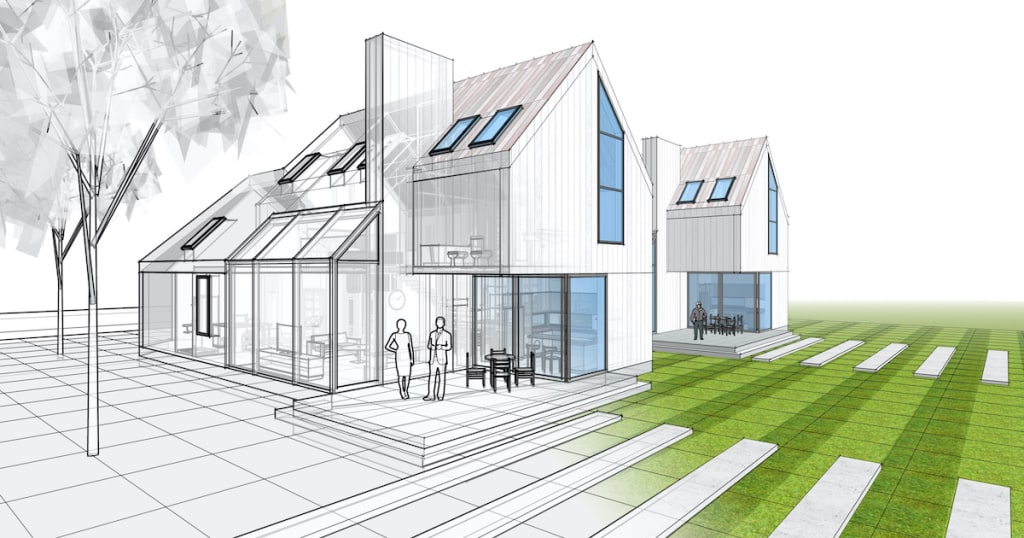
Architectural rendering is the process of creating two-dimensional or three-dimensional images of a proposed architectural design. These images can be used to help clients visualize a project, to market a property, or to simply create a work of art.
Architectural rendering has been around for centuries, but it has become increasingly sophisticated in recent years with the advent of computer-aided design (CAD) and computer-generated imagery (CGI).
Today, architectural renderers use a variety of software and techniques to create photorealistic images that can be used to sell a project to clients, investors, or the public.
What does rendering mean in architecture?
In architecture, rendering is the process of creating a visual representation of a proposed architectural design. This can be done using a variety of techniques, including 2D and 3D computer-aided design (CAD), as well as traditional hand-drawn methods. Renderings can be used to help clients visualize a project, to market a property, or to simply create a work of art.
There are many different types of architectural rendering, including:
- Exterior renderings: These images show the outside of a building, including its exterior design, materials, and landscaping.
- Interior renderings: These images show the inside of a building, including its interior design, furniture, and finishes.
- Aerial renderings: These images show a building from above, giving a bird's-eye view of its location and surroundings.
- 360-degree renderings: These images allow viewers to rotate and zoom in on a building, giving them a complete 360-degree view.
- Animation: This is a series of images that are played back in sequence to create a moving picture. Animation can be used to show a building being built, or to show how a building changes over time.
Top 5 Benefits of Architectural Rendering for Real Estate
Enhanced Visualization and Immersive Experience

Architectural renderings provide potential buyers with a clear and realistic visualization of the property, allowing them to explore the design, layout, and aesthetics before construction. These lifelike visuals create an immersive experience, enabling clients to develop a strong emotional connection to the space.
By showcasing different angles, perspectives, and interior details, architectural renderings effectively communicate the vision and potential of the property, capturing the attention and interest of potential buyers.
Customization and Personalization
Architectural renderings offer a high level of customization and personalization. Real estate marketers can tailor the renderings to match specific client needs and preferences. With rendering software, modifications can be made to the design, such as adjusting colors, materials, and finishes, to align with individual client tastes.
This customization allows marketers to showcase different design options, cater to diverse target audiences, and demonstrate the flexibility of the property. By presenting renderings that align with clients' visions and desires, real estate professionals can establish a sense of personal connection and increase the likelihood of closing a deal.
Also Read :- Personalization vs Customization: What's the Difference?
Cost and Time Efficiency

Using architectural rendering is a cost-effective and time-efficient approach compared to traditional photography or physical model creation. Producing high-quality renderings is faster and more cost-effective than organizing professional photoshoots or constructing physical scale models. Moreover, rendering software allows for quick revisions and adjustments, eliminating the need for costly and time-consuming design modifications.
Real estate marketers can also avoid the expenses associated with staging and styling properties, as renderings can showcase the space in its idealized state. By streamlining the marketing process and reducing expenses, architectural rendering enables professionals to allocate their resources more efficiently and generate higher returns on investment.
Marketing Versatility and Adaptability
Architectural renderings provide real estate marketers with versatile marketing assets that can be utilized across various channels and platforms. These renderings can be seamlessly integrated into websites, digital advertisements, social media campaigns, and print materials, ensuring consistent and compelling visual messaging.
Renderings can be easily updated and adapted to meet evolving marketing needs or changes in the property's design. This adaptability allows marketers to showcase different features, amenities, or design options based on client preferences or market trends.
The ability to present a cohesive and visually appealing marketing campaign across multiple platforms helps establish a strong brand presence, build credibility, and attract a wider audience.
Competitive Advantage and Pre-Selling Opportunities
Architectural renderings provide a significant competitive advantage in the real estate market. By showcasing properties with stunning, lifelike visuals, real estate professionals can stand out from the competition and capture the attention of potential buyers.
The ability to present a property's potential and highlight its unique selling points through renderings creates a strong first impression and generates interest early in the sales process. Additionally, architectural renderings offer pre-selling opportunities, allowing developers to market and sell properties before they are physically constructed.
This early engagement with potential buyers can lead to faster sales and reduced marketing efforts.
Final Thought
Architectural rendering provides significant benefits for real estate marketing, including enhanced visualization, customization, cost and time efficiency, marketing versatility, and a competitive advantage. It allows potential buyers to experience and connect with properties before they are built, while also offering customization options to meet individual preferences.
The use of renderings saves time and resources compared to traditional methods, and they can be easily adapted for various marketing channels. Additionally, architectural renderings give real estate professionals an edge over competitors by capturing attention and facilitating pre-selling opportunities.
Overall, architectural rendering is a valuable tool that enhances marketing strategies and drives success in the real estate industry.
To further explore the intersection of architectural rendering and sustainable design, discover how Architectural BIM can help you design more sustainable buildings.
About the Creator
Jasmine Jones
Hi there, I'm Jasmine Jones, a content creator with 7 years of experience.
I have a passion for creating engaging and informative content that resonates with audiences and helps businesses achieve their goals.
Enjoyed the story? Support the Creator.
Subscribe for free to receive all their stories in your feed.
Comments
There are no comments for this story
Be the first to respond and start the conversation.