
Top 10 Signs of Autoimmune Diseases - A Rheumatologist's Guide
Read more on Top 10 Signs of Autoimmune Diseases


Introduction
Have you been feeling unusually tired lately? Or maybe you've noticed your joints are sore and swollen? Perhaps you've spotted a new rash, or your hair seems to be thinning for no apparent reason? These symptoms might not be as random as you think. In fact, they could be signs of an underlying autoimmune disease.

If you're dealing with unexplained symptoms, you're in the right place. This post will explore the top 10 signs of autoimmune diseases, which could be the key to solving your health mysteries. We'll dive into conditions like Lupus, Sjogren's, Vasculitis, Giant Cell Arteritis, Rheumatoid Arthritis, Dermatomyositis, and Gout.
- Join our Free 7-Day Immunity Boosting Challenge! Click here to discover the top strategies to enhance your immune system.
Top 10 signs of autoimmune diseases
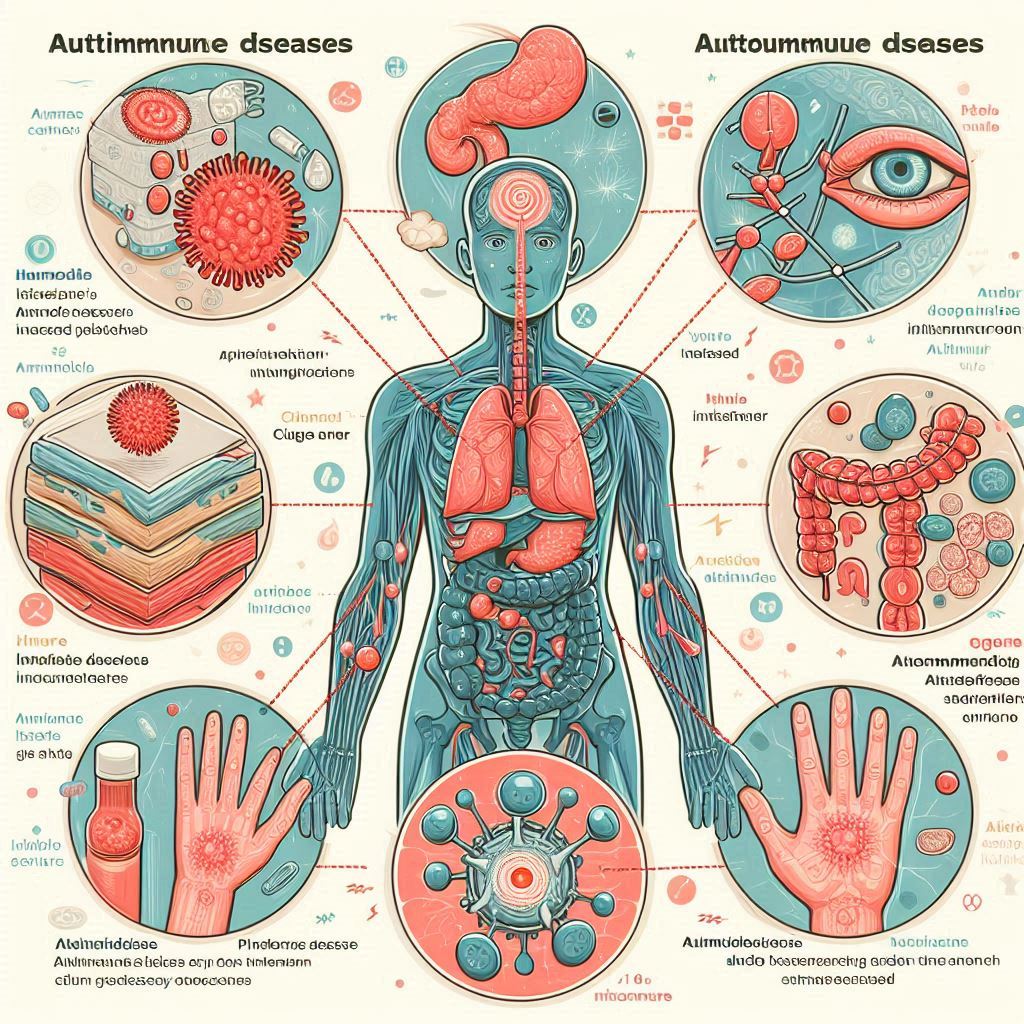
Autoimmune diseases are complex conditions where your body's immune system mistakenly attacks healthy cells. Recognizing the signs early can make a significant difference in managing these conditions. Let's explore the top 10 signs you should watch out for.
Dr. Girnita introduces herself
Before we dive into the details, let me introduce myself. I'm Dr. Girnita, a rheumatologist with extensive experience in diagnosing and managing autoimmune conditions. My goal is to help you understand these signs so you can take control of your health.
1. Fatigue
Let's start with fatigue. But we're not talking about your everyday tiredness here. The fatigue associated with autoimmune diseases like Lupus and Rheumatoid Arthritis is profound and long-lasting. It's like carrying a constant burden that doesn't lighten with rest.
This exhaustion goes beyond mere sleepiness. It affects your mental clarity, physical strength, and overall quality of life. Imagine trying to push through your day feeling like you're wading through thick mud - that's the kind of fatigue we're talking about.

If you're finding this information helpful, please consider supporting our mission to educate people about autoimmune diseases. Hit the like button, and share this post with others who might benefit from this knowledge.
- Join our Free 7-Day Immunity Boosting Challenge! Click here to discover the top strategies to enhance your immune system.
2. Dryness
Persistent dryness of the mouth, eyes, or skin is another telltale sign of autoimmune diseases, particularly in patients with Sjogren's syndrome. This isn't your regular dryness due to weather changes - it's a persistent, severe dryness that significantly affects your comfort and health.
The dryness in your eyes might feel like you have sand in them. Mouth dryness can make it difficult to swallow food, especially dry foods like crackers. It can also lead to increased mouth bacteria, resulting in gum disease and potentially tooth loss. Some people even experience vaginal dryness or itchy, dry skin.

4. Skin Changes
Changes to your skin in autoimmune diseases are more than just cosmetic concerns - they could indicate serious internal issues. These changes might include rashes, dry white patches, or even skin ulcers.
Different autoimmune conditions manifest in distinct skin changes. For example:
- In Dermatomyositis, you might notice a violet-colored rash on your eyelids, knuckles, or elbows.
- Vasculitis can cause palpable purpura - raised, reddish-purple spots that are actually areas of bleeding under the skin.
- Psoriasis often presents as dry, white, itchy patches of skin, usually on the elbows, knees, scalp, and sometimes the genital area.
- Lupus is known for its characteristic butterfly rash across the nose and cheeks.

If you've noticed any unusual changes to your skin, it's time to consult a specialist, like a rheumatologist.
5. Persistent Fever
A low-grade, persistent fever is another sign that shouldn't be ignored. Unlike fevers associated with common colds or flu, these fevers are relentless, usually low-grade, and often don't respond to regular medications.
When combined with other symptoms like fatigue and joint pain, this type of fever could point towards conditions like Lupus or Rheumatoid Arthritis. It's your body's way of signaling that something isn't right.
6. Muscle Weakness
Muscle weakness in the context of autoimmune diseases isn't about feeling sore after a workout. It's about a steady, progressive loss of muscle strength that affects your daily activities.
Conditions like Polymyalgia Rheumatica and Dermatomyositis often show pronounced weakness around the shoulders and hips. You might find it increasingly difficult to lift your arms above your head or climb stairs.
- Join our Free 7-Day Immunity Boosting Challenge! Click here to discover the top strategies to enhance your immune system.
7. Neurological Symptoms
Autoimmune diseases can also affect your nervous system, leading to symptoms like tingling, numbness, or even brief loss of vision. These symptoms are particularly common in diseases like Lupus and Vasculitis.
These aren't symptoms to ignore, as they might indicate nerve inflammation or damage. If you're experiencing any of these symptoms, especially if they come and go, it's crucial to seek medical attention.

8. Unexplained Weight Loss
Unexplained weight loss is a red flag that shouldn't be overlooked. If you're losing weight without trying, it could be due to your body's inability to absorb nutrients properly or because of systemic inflammation.
This symptom is often seen in conditions like Giant Cell Arteritis or systemic Vasculitis. While some people might welcome unexpected weight loss, in the context of autoimmune diseases, it's a sign that your body is struggling.

9. Unusual Hair Loss
Significant, unusual hair loss can be a sign of autoimmune diseases like Lupus and Vasculitis. This isn't just about normal shedding or age-related hair thinning. It's noticeable, often rapid hair loss that can be distressing.
This hair loss is more than just an aesthetic concern; it's a sign of underlying inflammation affecting your hair follicles. You might notice thinning all over your scalp, or in specific areas like your temples.

10. Kidney Issues
Lastly, let's talk about kidney issues. Unexplained swelling in your legs and feet or changes in your urine could hint at kidney diseases associated with autoimmune conditions like Lupus or ANCA Vasculitis.
These changes can indicate underlying kidney inflammation or damage. You might notice foamy urine, changes in urine color, or a decrease in urine output. Don't ignore these signs - they could be crucial in catching and treating kidney problems early.

- Join our Free 7-Day Immunity Boosting Challenge! Click here to discover the top strategies to enhance your immune system.
Conclusion
Knowledge is power, especially when it comes to your health. Recognizing these signs can be the first step toward getting the help you need. If you're experiencing any of these symptoms, particularly if they're persistent or severe, it's time to reach out to a specialist.

Thank you for taking the time to learn about these important health signs. Your health is your most valuable asset - take care of it!
Creadit & Source: Dr. Diana Girnita
About the Creator
Vital Vibe Fitness
Discover workouts, healthy recipes, and mindfulness tips for a balanced lifestyle. Join me on the journey to better health and well-being!
Enjoyed the story? Support the Creator.
Subscribe for free to receive all their stories in your feed.
Comments
There are no comments for this story
Be the first to respond and start the conversation.