
Tips for calorie deficit
Calorie deficit with your budgets
Introduction
Calorie deficit is your sure plug of losing excessive weight and it is affordable. Trying to lose weight while managing a tight budget can feel overwhelming. Many people believe that eating healthy is expensive, but that’s not always true. A calorie deficit—where you consume fewer calories than you burn—can be achieved with simple, affordable foods. By focusing on getting full with small quantity meals, foods with nutritional contents, you can eat well without spending a lot of money. This article will explore budget-friendly foods that help with weight loss.
1. Affordable Protein Sources
Protein is essential for muscle maintenance and keeping you full longer. Luckily, you don’t need expensive protein powders or fancy meats to get enough. Here are some cheap, high-protein options:
• Eggs – One of the most affordable and nutrient-packed protein sources. Boil, scramble, or make omelets to keep meals interesting. There was a time I was very sick, the doctor recommended three eggs a day and before you know it, I was back in my fit. You can see the health benefits of eggs though quite cheap.
• Canned Tuna or Sardines – Low in calories, high in protein, and packed with omega-3s. Sardines have great taste with healthy oil and yet can help in your weight loss journey.
• Chicken Drumsticks & Thighs – More affordable than chicken breasts but still high in protein. Remove the skin for a lower-calorie option. Currently, the price of chicken sky rocketed but you don’t have to buy a whole chicken. You just have to get specific parts from a frozen room.
2. Low-Cost Fiber foods.
Fiber is key to feeling full longer, which helps control cravings and prevents overeating. Some budget-friendly, high-fiber foods include:
• Oatmeal – A cheap and filling breakfast option that provides long-lasting energy. Add a banana or cinnamon for flavor.
• Brown Rice – More nutritious and filling than white rice, and it pairs well with beans or vegetables but you can't afford it, a small quantity of white rice in very little proportion can do.
• Cabbage & Carrots – These vegetables are affordable, last long, and add bulk to meals. Try making simple coleslaw or stir-fry. You can make indomitable noodles with lots of carrots and green bees while on your weight loss journey.
3. Healthy Fats on a Budget
While fats are calorie-dense, they help keep you full and provide essential nutrients. Affordable options include:
• Peanut Butter – A cheap and filling source of healthy fats and protein. Stick to natural peanut butter with no added sugar.
• Sunflower or Flax Seeds – These seeds are inexpensive and great for adding to oatmeal, yogurt, or salads.
• Olive or Vegetable Oil – A little goes a long way for cooking, and healthy fats help with nutrient absorption.
4. Smart Meal Planning & Shopping Tips
Eating healthy on a budget requires smart shopping and meal planning. Here are some strategies:
• Buy in Bulk – Foods like beans, rice, and oats are cheaper when purchased in large quantities. It’s funny how buying in bulk is less expensive but people prefer to buy in small quantities. Give it a try today and thank me later.
• Shop Generic Brands – Store-brand products are often just as good as name brands but cost less. In my house, it is usually Bama or nothing until the price of Bama increased so much and we decided to try another brand which gave us a good taste and costs lesser too. Do not always Ho for brand names, their prices might not be pocket friendly.
• Limit Processed Foods – They tend to be more expensive and less filling. Whole foods provide more nutrition for your money.
• Cook at Home – Home-cooked meals cost far less than takeout and allow you to control ingredients and portion sizes.
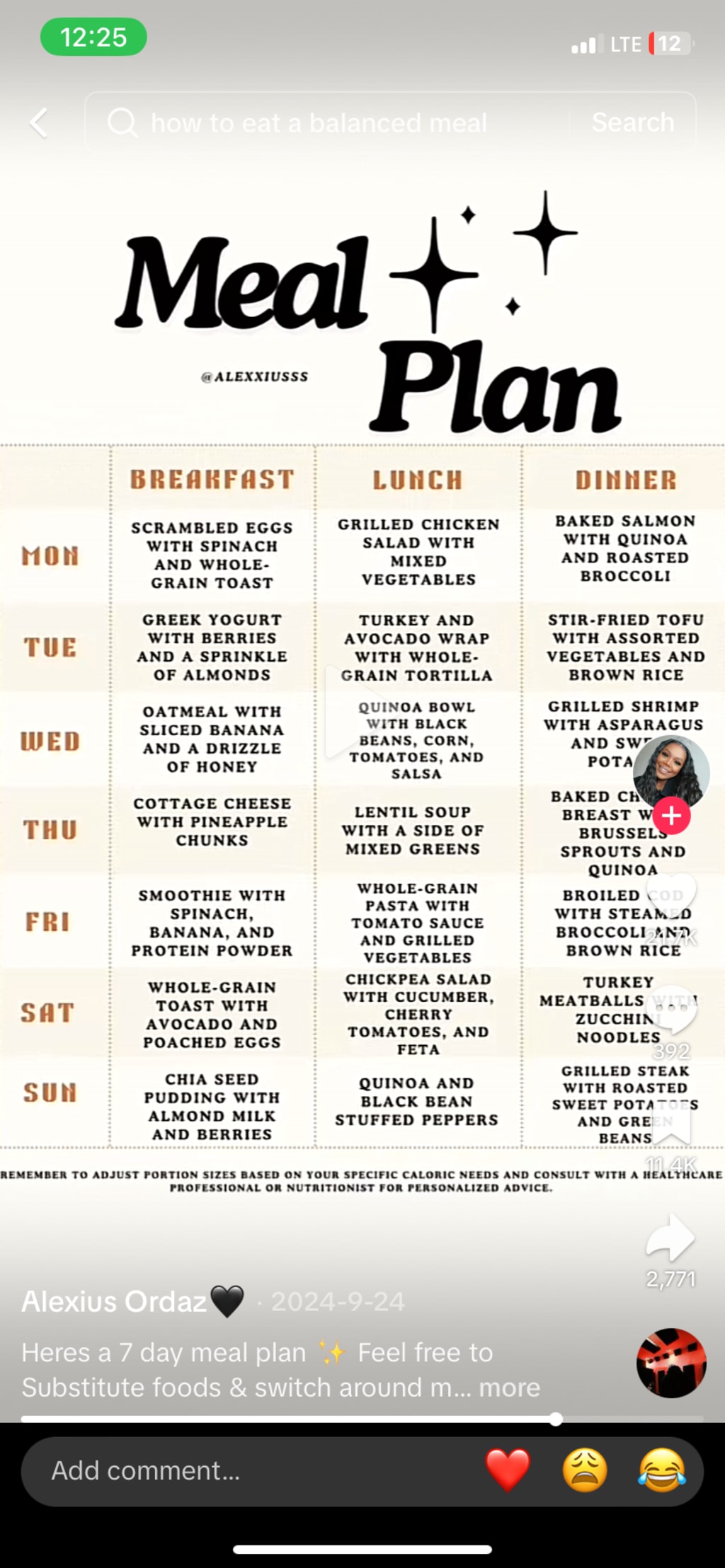
• Plan Your Meals – Make a simple meal plan each week and stick to a shopping list to avoid impulse purchases.
Conclusion
Losing weight on a budget is entirely possible with the right food choices and shopping habits. By focusing on affordable protein, fiber-rich foods, and healthy fats, you can stay full while maintaining a calorie deficit. Smart grocery shopping, bulk cooking, and limiting processed foods will help stretch your budget while keeping you on track with your health goals. Remember, eating well doesn’t have to be expensive—it’s all about making the right choices with what you have.
About the Creator
Your fave_physiologist
A Physiologist, health coach and a writer passionate about helping people build healthy habits, and improve their well-being. Through my articles, I aim to simplify health advice and provide actionable tips for a healthy life.
Enjoyed the story? Support the Creator.
Subscribe for free to receive all their stories in your feed.
Comments
There are no comments for this story
Be the first to respond and start the conversation.