
The Ultimate Lockpicking Guide
Unlock your Locks Fast OR Hire A Locksmith
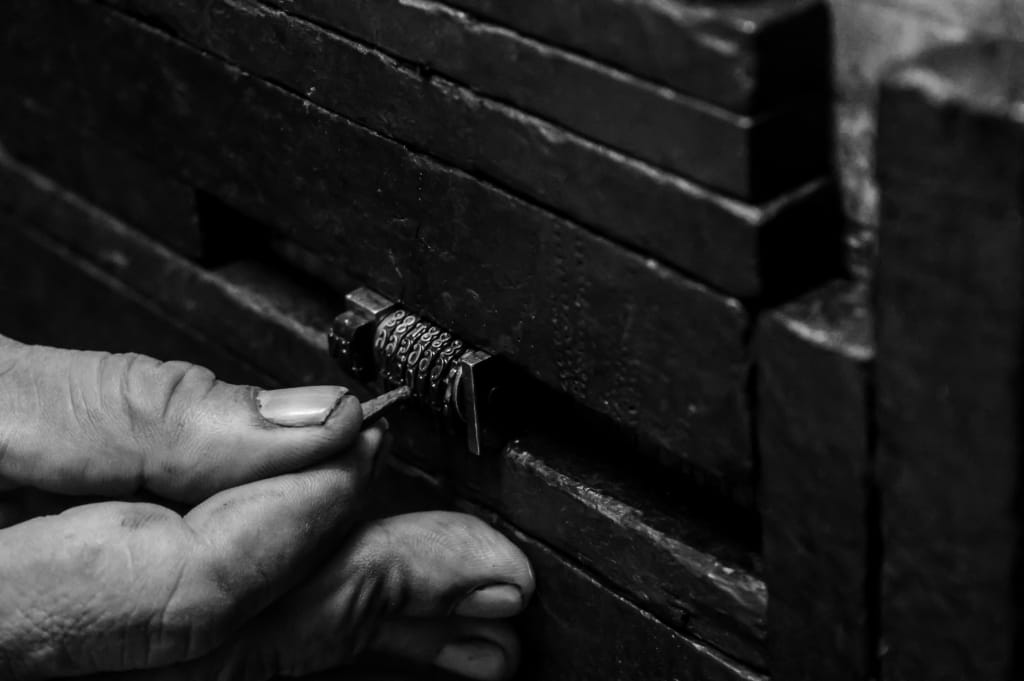
Lockpicking is a valuable skill that can come in handy in various situations, from locking yourself out of your home to exploring the world of locksport – the competitive hobby of lockpicking. However, it's essential to use this skill responsibly and always obtain permission from the owner before attempting to pick a lock. This ultimate guide will cover the basics of lockpicking, the tools you need, and some essential techniques to get you started.
Understand the Basics of Locks:
Before attempting to pick a lock, it's essential to understand how locks work. The most common type of lock is the pin tumbler lock, which consists of a series of pins, springs, and a cylinder. When the correct key is inserted, the pins align at the shear line, allowing the cylinder to turn and the lock to open. Your goal when picking a lock is to simulate the action of the key and manipulate the pins to align at the shear line.
Assemble Your Lockpicking Tools:
To get started with lockpicking, you'll need a basic set of tools. These typically include:
a. Tension wrenches: Used to apply rotational force to the lock's cylinder.
b. Picks: Various shapes and sizes of picks are used to manipulate the pins within the lock.
c. A practice lock or padlock: A clear or cutaway practice lock allows you to see the inner workings of the lock while you practice picking it.
Develop Your Tension Control:
One of the most critical aspects of lockpicking is applying the right amount of tension to the lock's cylinder using the tension wrench. Too little tension, and the pins won't set in place; too much, and you risk binding the pins or breaking your tools. Practice applying varying degrees of tension and finding the sweet spot that allows you to set the pins correctly.
Master the Raking Technique:
Raking is a basic lockpicking technique that involves quickly and repeatedly moving a rake pick in and out of the keyway while applying tension with a tension wrench. The goal is to bounce the pins inside the lock so that they align at the shear line, allowing the cylinder to turn. While this technique is less precise than single pin picking, it's a useful starting point for beginners.
Learn Single Pin Picking (SPP):
SPP is a more advanced technique that involves using a hook pick to manipulate each pin individually while maintaining tension on the cylinder. The process can be broken down into the following steps:
a. Insert the tension wrench into the bottom of the keyway and apply light tension.
b. Insert the hook pick into the keyway and locate the first binding pin.
c. Gently lift the binding pin with the hook pick until it sets at the shear line.
d. Move on to the next binding pin and repeat the process until all pins are set.
Practice, Practice, Practice:
Lockpicking is a skill that requires patience and practice. Start by picking simple locks and gradually work your way up to more complex ones. As you gain experience, you'll develop a better understanding of how locks work and improve your picking techniques.
This ultimate guide to lockpicking provides a foundation for your lockpicking journey. By understanding the basics of locks, assembling the right tools, and mastering techniques like raking and single pin picking, you'll be well on your way to becoming a proficient lockpicker. Remember, practice is key, so keep challenging yourself with increasingly complex locks to hone your skills. And, as always, use your newfound abilities responsibly and ethically.
About the Creator
Enjoyed the story? Support the Creator.
Subscribe for free to receive all their stories in your feed.
Comments