

Keto Diet
Before starting any diet plan, it's always recommended to consult with a healthcare professional, especially if you have any underlying medical conditions. That being said, here is a general keto diet plan for beginners:
What is a keto diet?
A ketogenic diet, or keto for short, is a low-carb, high-fat diet that puts your body into a metabolic state called ketosis. When you eat foods high in carbohydrates, your body produces glucose and insulin. Glucose is the easiest molecule for your body to convert and use as energy, so it will be chosen over any other energy source. Insulin is produced to process the glucose in your bloodstream by taking it around the body.
However, when you lower your carbohydrate intake, your body starts to look for an alternative energy source, and your liver begins to convert fat into molecules called ketones. These ketones then become the primary source of fuel for your body.
The general macronutrient ratio for a keto diet is 70-75% fat, 20-25% protein, and 5-10% carbohydrates.
Foods to eat on a keto diet:
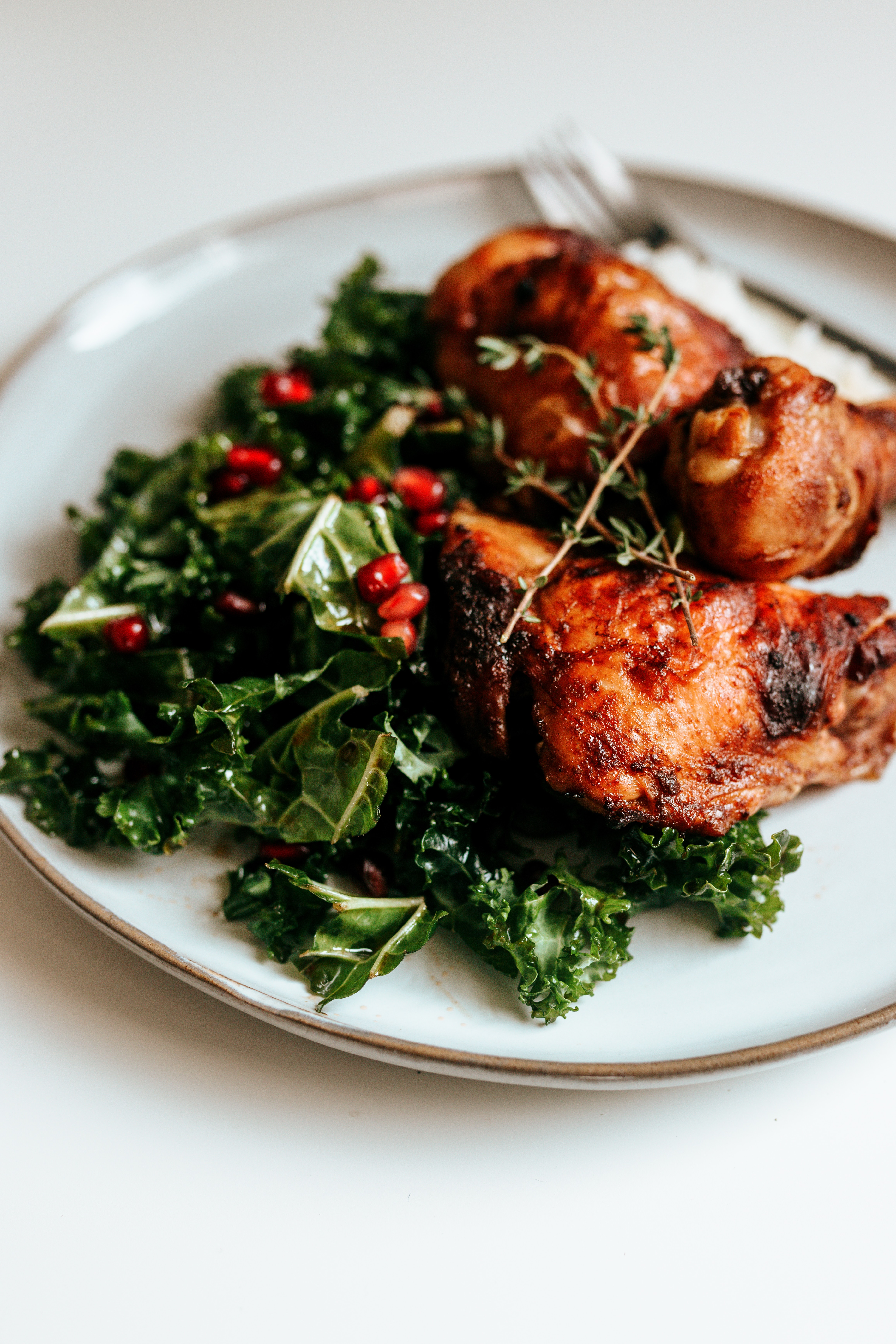
Meat: Beef, pork, chicken, turkey, lamb, and other meats
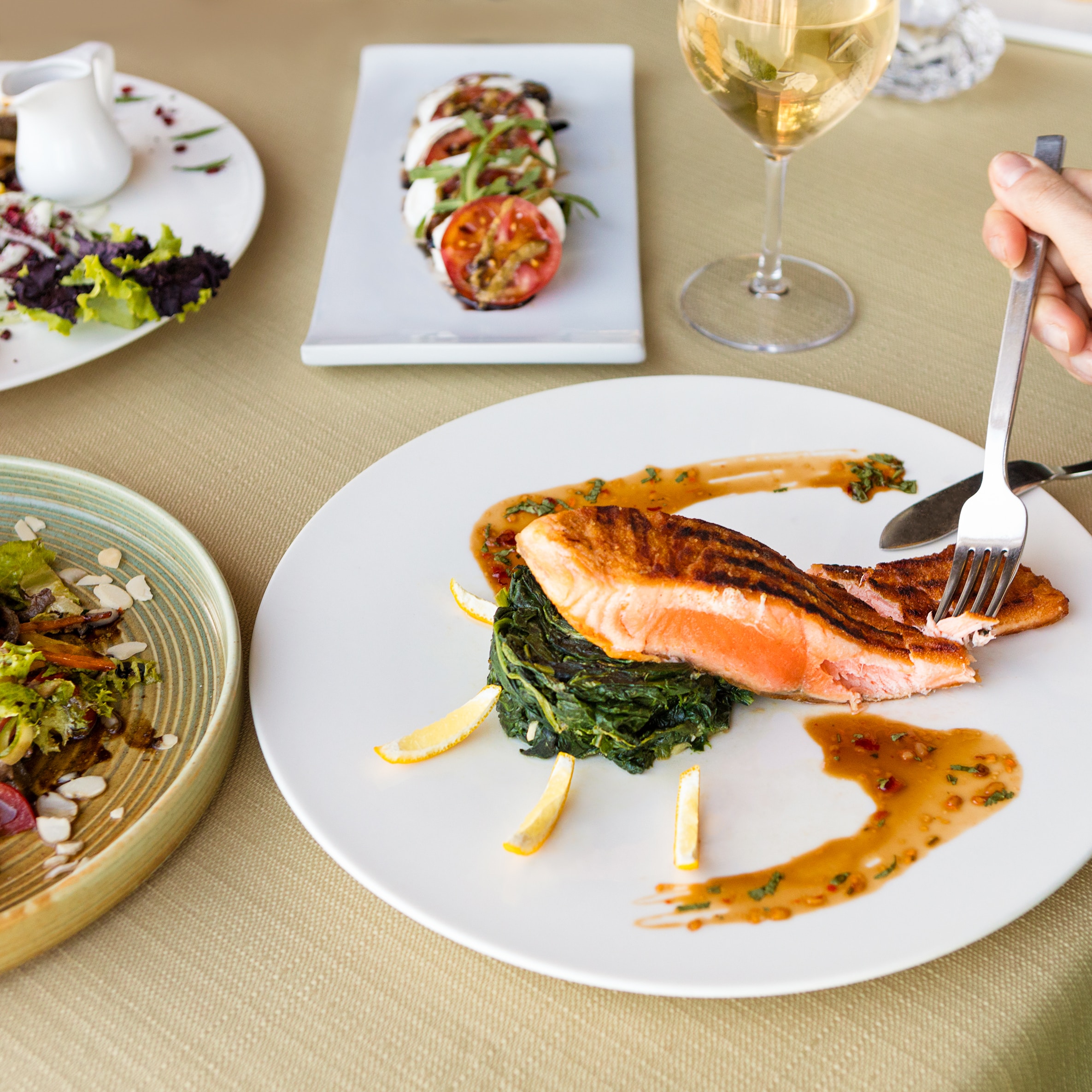
Fatty fish: Salmon, tuna, trout, and other fish rich in omega-3s
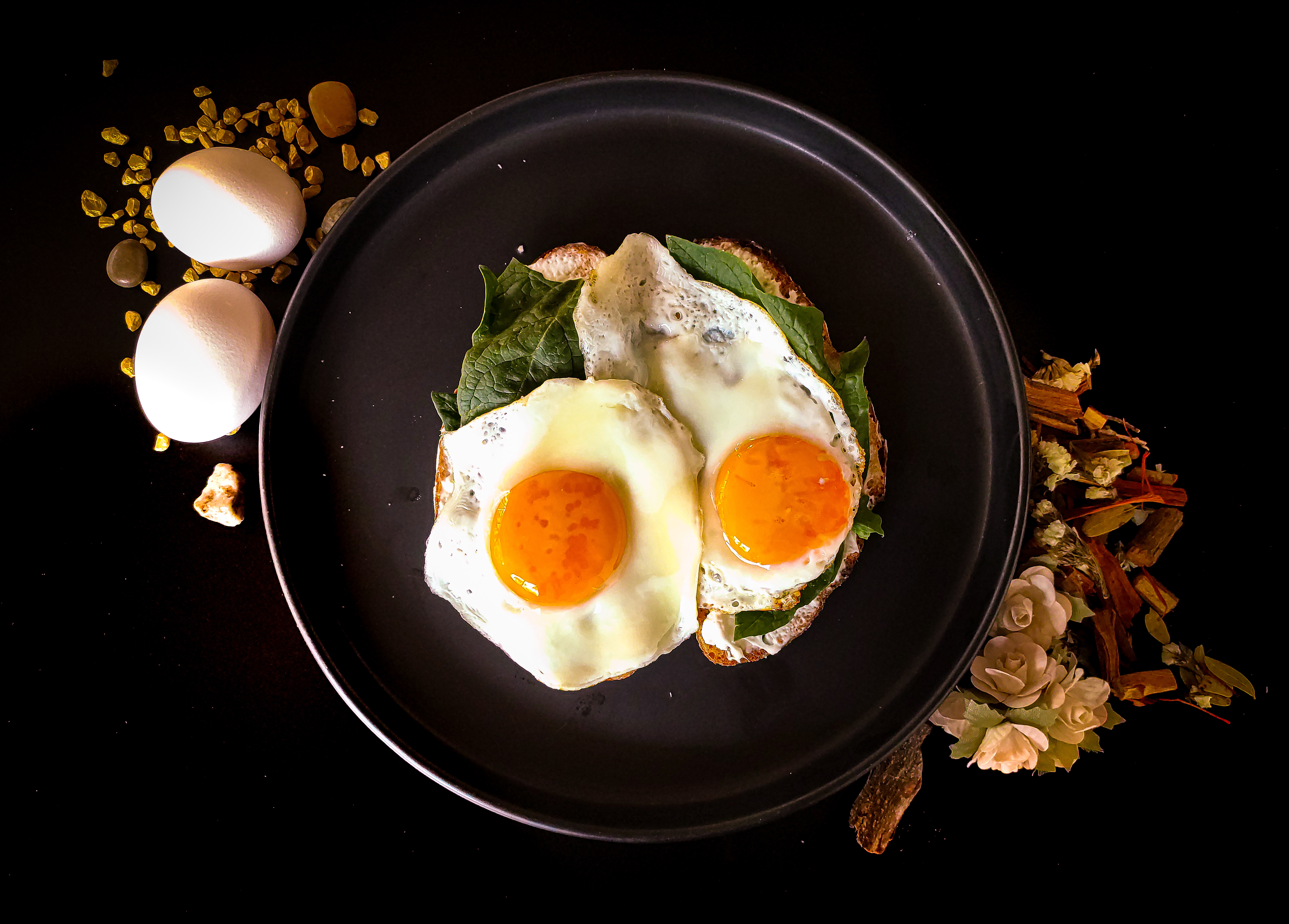
Eggs: Look for free-range or organic eggs
Low-carb vegetables: Spinach, kale, broccoli, cauliflower, zucchini, and other greens
High-fat dairy: Cheese, butter, and heavy cream
Nuts and seeds: Almonds, walnuts, chia seeds, flaxseeds, and other low-carb nuts and seeds.
Avocado and coconut oil: These are healthy fats that can help keep you in ketosis.
Foods to avoid on a keto diet:
- Sugary foods: Candy, soda, fruit juice, and other sugary drinks
- Grains: Bread, pasta, rice, and other grain-based foods
- High-carb fruits: Bananas, apples, oranges, and other fruits high in carbs
- Starchy vegetables: Potatoes, sweet potatoes, carrots, and other starchy vegetables
- Processed foods: Chips, crackers, and other processed snacks
- Most condiments: Ketchup, barbecue sauce, and other condiments are usually high in sugar.
Sample keto meal plan for beginners:
Breakfast:
- Scrambled eggs cooked in butter or coconut oil.
- Bacon or sausage
- Avocado
Lunch:
- Grilled chicken or salmon
- Green salad with avocado, olive oil, and vinegar dressing
- Nuts or seeds for a snack.
Dinner:
- Baked salmon or steak
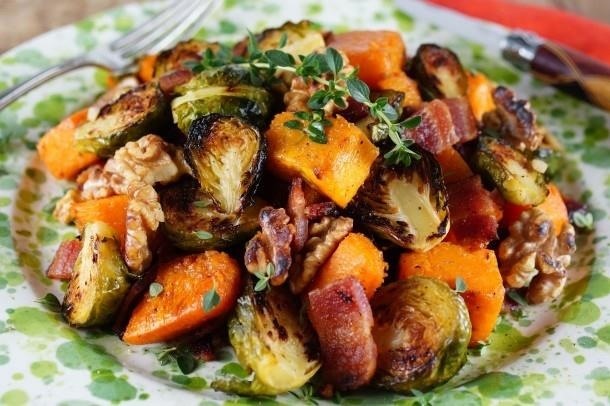
- Roasted vegetables such as cauliflower, broccoli, or Brussels sprouts
- Side salad with olive oil and vinegar dressing
Snacks:
- Cheese sticks or cubes
- Hard-boiled eggs
- Low-carb nuts and seeds like almonds or pumpkin seeds
Plan and prepare your meals ahead of time:
Meal planning and preparation can help you avoid temptations and stay on track with your keto diet. Spend some time each week planning your meals and prepping snacks and meals ahead of time.
- Increase your fat intake gradually: If you are used to a high-carb diet, transitioning to a high-fat diet can be challenging. Increase your fat intake gradually over a few weeks, so your body can adjust.
- Stay hydrated: Drinking enough water is crucial on a keto diet, as it can help you avoid keto flu symptoms such as headaches and fatigue. Aim for at least 8-10 cups of water per day and consider adding some electrolytes to your water to help maintain a healthy balance.
- Don't be afraid of healthy fats: On a keto diet, healthy fats like avocado, olive oil, and coconut oil are essential for keeping you full and satisfied. Don't be afraid to incorporate these healthy fats into your meals.
- Avoid processed foods: Processed foods are often high in carbs, and many contain hidden sugars and other unhealthy additives. Stick to whole, unprocessed foods as much as possible to stay in ketosis and promote overall health.
- Monitor your carb intake: To stay in ketosis, it's important to monitor your carb intake and keep it below 50 grams per day. Use a food tracking app to help you keep track of your carbs and ensure you stay within your daily limit.

Incorporate exercise: Exercise can help you burn fat and improve overall health. Consider incorporating some low-impact exercises like walking or yoga into your routine to support your keto diet.
Remember, the key to success on a keto diet is consistency and patience. It may take some time for your body to adjust to this new way of eating, but with time and dedication, you can achieve your health and weight loss goals. Here is the guide for Ultimate Keto Diet.
About the Creator
Enjoyed the story? Support the Creator.
Subscribe for free to receive all their stories in your feed.
Comments
There are no comments for this story
Be the first to respond and start the conversation.