
The Ultimate Guide to Startups: What They Are and the 5 Key Characteristics That Make Them Successful
Tips for creating a successful startup business plan

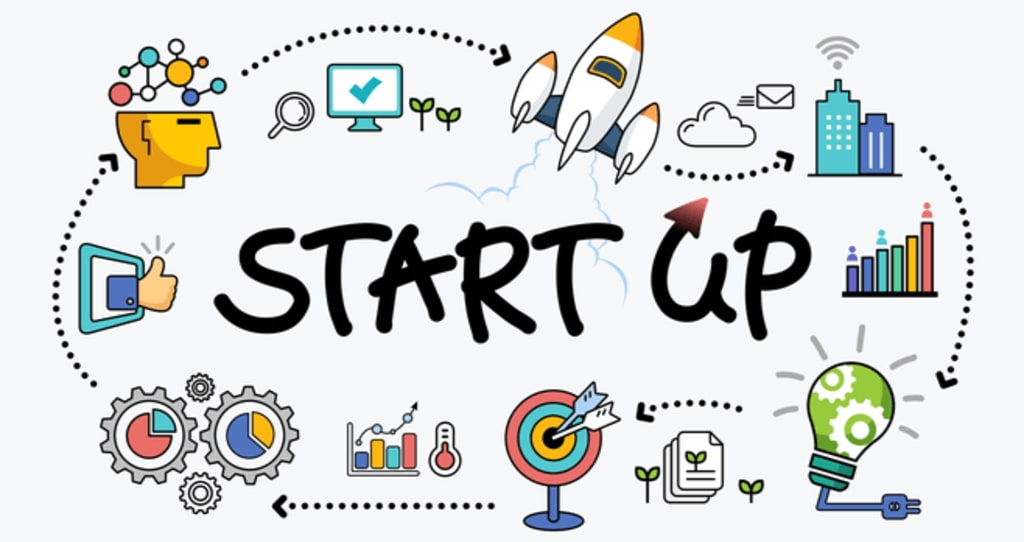
In today’s world, the term “startup” is commonly used to describe a wide range of businesses, from tech companies to small retail shops. But what exactly is a startup, and what sets it apart from other types of businesses? In this ultimate guide, we will answer these questions and more, providing you with everything you need to know about startups.
What is a Startup?
A startup is a newly established business or company that is typically focused on developing innovative products, services or technologies. Startups are often launched by entrepreneurs who are looking to bring their ideas to life and disrupt existing markets with new solutions.
Startups are usually characterized by their small size, dynamic nature, and willingness to take risks and innovate. They often operate in fast-paced environments and have a culture that values creativity, flexibility, and collaboration.
In many cases, startups are funded through venture capital or angel investors, who provide funding in exchange for equity in the company. Startups may also rely on crowdfunding, bootstrapping, or other forms of financing to get off the ground.
While many startups fail in their early stages, those that succeed can grow rapidly and have a significant impact on their industries and the broader economy. Some of the most successful startups of recent years include companies like Uber, Airbnb, and Spotify.
Startup vs. Small Business
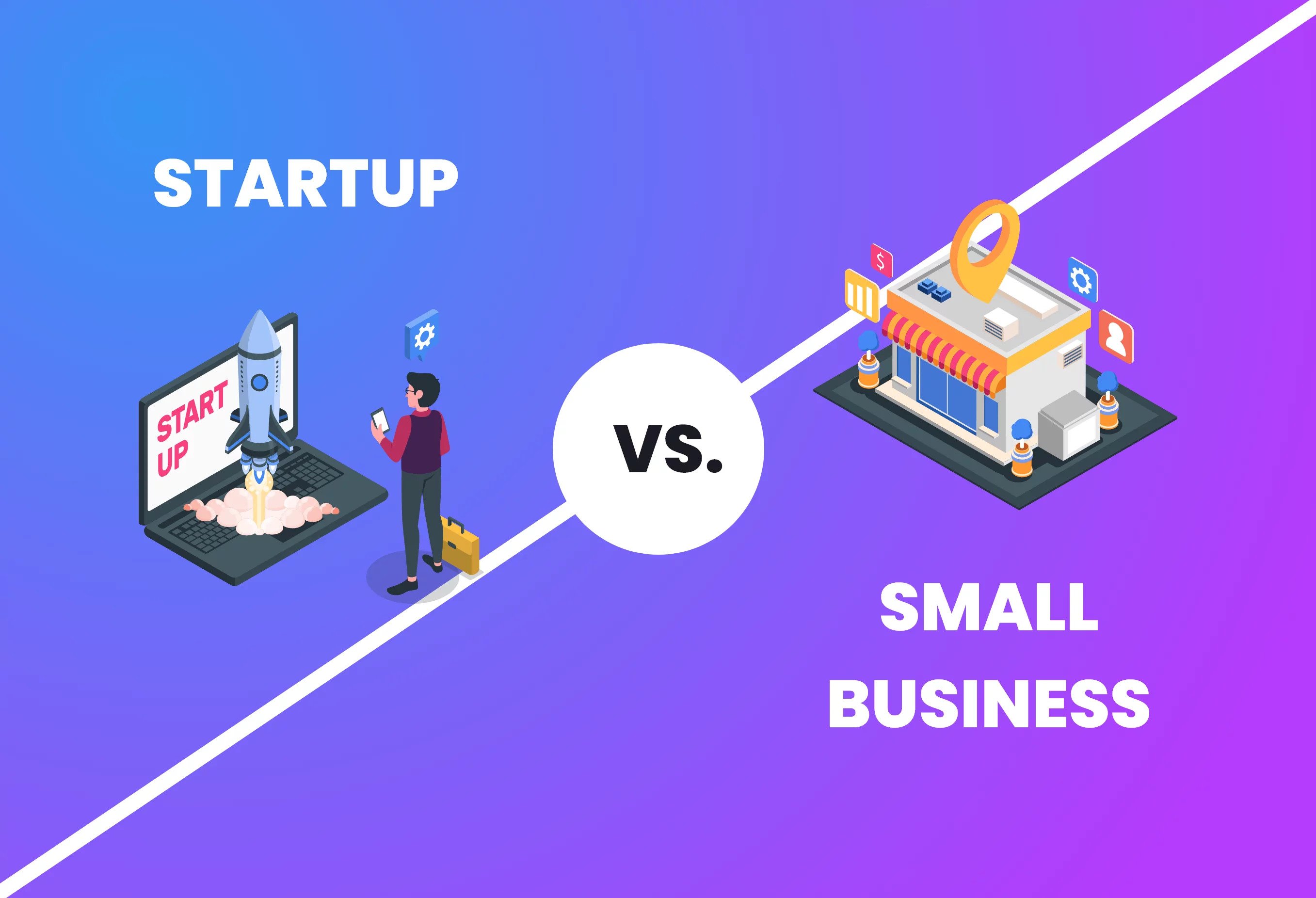
Startups and small businesses are often used interchangeably, but they are fundamentally different. A startup is a newly established business that aims to solve a problem or fill a need in the market with an innovative product, service, or business model. Startups are often focused on rapid growth and scale their business quickly. On the other hand, a small business is a locally focused business that offers established products or services to a specific market. Small businesses tend to have a stable customer base and are focused on maintaining their current level of operations.
One key difference between startups and small businesses is the level of risk involved. Startups are often high-risk ventures that require significant funding to get off the ground and scale their business. In contrast, small businesses tend to be lower-risk ventures that can be self-funded or financed through traditional small business loans. Small business owners typically have a more conservative approach to risk-taking, while startup founders are more willing to take risks in pursuit of high rewards.
Another key difference between startups and small businesses is their approach to innovation. Startups are focused on developing new and innovative products or services that can disrupt traditional industries or create new ones. Small businesses, on the other hand, tend to offer established products or services to a specific market. While small businesses may innovate in small ways to better serve their existing customers, they generally do not pursue disruptive innovation on the scale of startups.
Key Characteristics of a Startup
There are several key characteristics that are common among successful startups. These include:

1. Innovation
Innovation is one of the key characteristics of a startup. It refers to the ability of a startup to develop and introduce new products, services, or business models that address a previously unmet need or solve a problem in a more effective or efficient way than existing solutions.
Innovation is critical for startups because it allows them to differentiate themselves from competitors and create a competitive advantage. By developing innovative products or services, startups can attract customers, generate revenue, and grow their market share.
However, innovation also involves taking risks and experimenting with new ideas, which can be challenging for startups that have limited resources and face intense competition. Startups that are successful in innovating are often those that are agile, flexible, and willing to pivot in response to changing market conditions or customer needs.
Innovation can take many forms in startups. It may involve developing a new technology or product, introducing a new business model, or creating a unique brand or customer experience. Successful startups often combine innovation with customer focus, market research, and a deep understanding of their target audience to create products and services that meet real-world needs and offer a compelling value proposition.
To foster innovation in a startup, it’s important to create a culture that encourages creativity, experimentation, and collaboration. This may involve providing employees with the resources and autonomy they need to develop new ideas, as well as creating a supportive environment that rewards risk-taking and celebrates success.
In summary, innovation is a key characteristic of a startup and is critical for its success. Successful startups are often those that are able to develop and introduce new products, services, or business models that address unmet needs or solve problems in a more effective or efficient way than existing solutions. To foster innovation, startups need to create a culture that encourages creativity, experimentation, and collaboration.

2. Scalability
Scalability is another key characteristic of a startup. It refers to the ability of a startup to grow its business rapidly without experiencing a proportional increase in costs or diminishing returns. In other words, a scalable startup can increase its revenue and market share quickly while maintaining or even decreasing its unit costs.
Scalability is important for startups because it allows them to take advantage of new opportunities and expand their business while maintaining profitability. Without scalability, startups may struggle to grow their business beyond a certain point and may become less competitive in the market.
There are several factors that contribute to the scalability of a startup. One of the most important is the ability to automate processes and leverage technology to increase efficiency and reduce costs. By using technology to automate tasks and streamline operations, startups can increase their productivity and scale their business more effectively.
Another important factor in scalability is the ability to build a strong brand and customer base. Startups that are able to build a loyal customer base and establish a strong brand reputation can often scale more easily because they have a built-in audience for their products or services.
Scalable startups often have a strong focus on product-market fit. This means they have a deep understanding of their target audience and their needs, and they are able to develop products or services that address those needs in a unique and compelling way. By focusing on product-market fit, startups can build a customer base that is loyal and engaged, which can help them scale more effectively.
Finally, scalability requires a focus on profitability and financial management. Startups need to be able to manage their cash flow effectively and make strategic investments in their business that will enable them to grow without sacrificing profitability.
In summary, scalability is a key characteristic of a startup and is critical for its success. Scalable startups are able to grow their business rapidly without experiencing a proportional increase in costs or diminishing returns. To achieve scalability, startups need to leverage technology to increase efficiency and reduce costs, build a strong brand and customer base, focus on product-market fit, and maintain a focus on profitability and financial management.

3. Risk-taking
Risk-taking is a critical aspect of the startup mentality, as it is often necessary to take risks in order to achieve significant growth and success. Risk-taking is not just about being fearless, but rather about being calculated and strategic in taking on challenges and uncertainties.
One of the key aspects of risk-taking in startups is the willingness to experiment and try new things. This may involve developing and launching new products or services, entering new markets, or adopting new business models. By taking risks in these areas, startups can identify new opportunities and differentiate themselves from their competitors.
Another important aspect of risk-taking in startups is the ability to pivot and adapt quickly. Startups may need to change their business model or strategy in response to market conditions or customer feedback, and they must be willing to take risks in order to do so. This requires a certain level of flexibility and agility in the face of uncertainty and change.
Of course, taking risks can also lead to failure. However, successful startups understand that failure is a natural part of the process and can even provide valuable lessons for future success. They are willing to take calculated risks and learn from their mistakes, rather than being paralyzed by the fear of failure.
To foster a culture of risk-taking in a startup, it’s important to create an environment that encourages experimentation and innovation. This may involve providing employees with the resources and autonomy they need to develop and pursue new ideas, as well as recognizing and rewarding those who take calculated risks and achieve success.
In summary, risk-taking is a key characteristic of a startup and is critical for its success. Successful startups are often those that are willing to take calculated risks in order to experiment, try new things, and adapt to changing market conditions. To foster a culture of risk-taking, startups need to create an environment that encourages innovation, experimentation, and learning from failure.

4. Agility
Agility is another key characteristic of a startup. It refers to the ability of a startup to quickly adapt to changing market conditions and customer needs. In a rapidly changing business environment, agility is essential for startups to remain competitive and grow their business.
Agile startups are able to pivot and adjust their business strategies and product offerings in response to feedback and changes in the market. This requires a willingness to experiment, take risks, and be flexible in the face of uncertainty.
One way that startups can foster agility is by adopting a lean startup methodology. This involves developing products and services in an iterative manner, getting feedback from customers early and often, and making adjustments based on that feedback. By following this approach, startups can minimize waste and optimize their resources while also remaining responsive to market changes.
Another important aspect of agility is the ability to move quickly and decisively. This requires a streamlined decision-making process and a culture of experimentation and innovation. Startups that are able to move quickly and make decisions based on data and feedback are better equipped to adapt to changes in the market and take advantage of new opportunities.
In addition to these internal factors, startups also need to be agile in their relationships with external stakeholders, such as customers, suppliers, and investors. This requires a focus on building strong relationships, being responsive to feedback, and collaborating with others to achieve common goals.
Overall, agility is a critical characteristic of a startup. It allows startups to adapt to changing market conditions, respond to customer needs, and take advantage of new opportunities. To foster agility, startups need to adopt a lean methodology, streamline their decision-making process, build strong relationships with stakeholders, and foster a culture of innovation and experimentation.
5. Culture
Culture is an important characteristic of a startup that sets the tone for the company’s values, beliefs, and practices. A strong culture can attract and retain talented employees, foster innovation, and drive business success.
Startups that prioritize culture tend to have a strong sense of purpose and mission that aligns with the values of their employees and customers. They often have a flat organizational structure that encourages collaboration, open communication, and a sense of ownership among team members.
One of the most important aspects of culture in startups is the emphasis on innovation and experimentation. This requires a willingness to take risks and try new things, as well as a culture that values learning and continuous improvement. Successful startups often create an environment that encourages employees to challenge assumptions, think outside the box, and pursue innovative solutions to problems.
Another key aspect of culture in startups is the emphasis on transparency and trust. Startups that prioritize open communication and transparency tend to have a more engaged and motivated workforce. This means being upfront about challenges and failures, sharing information about company performance, and empowering employees to take ownership of their work.
Culture also plays a critical role in attracting and retaining talent. Startups that prioritize employee well-being and work-life balance tend to be more successful in attracting and retaining top talent. They often offer perks such as flexible schedules, remote work options, and opportunities for professional development.
Finally, a strong culture in startups can help build brand loyalty and customer trust. Startups that prioritize social responsibility and ethical business practices tend to build stronger relationships with their customers, who are increasingly focused on supporting businesses that align with their values.
In summary, culture is a key characteristic of a lean startup that can have a significant impact on business success. Startups that prioritize culture tend to have a strong sense of purpose, foster innovation and experimentation, prioritize transparency and trust, attract and retain top talent, and build brand loyalty and customer trust.
How to Start a Startup
Starting a lean startup can be a challenging and rewarding experience. Here are some steps to help guide you through the process:
Develop a business idea: The first step in starting a lean startup is to develop a business idea that solves a problem or fills a need in the market. Conduct market research to identify gaps or opportunities, and then develop a product or service that addresses them.
Write a business plan: A business plan is a detailed roadmap that outlines the key elements of your lean startup, including your product or service, target market, marketing strategy, revenue model, and financial projections.
Validate your idea: Before investing too much time and money in your startup, it’s important to validate your idea with potential customers. Conduct market research, gather feedback, and make adjustments as needed.
Form a team: Building a strong team is essential to the success of a lean startup. Look for individuals with complementary skills and a shared vision for the company.
Register your business: Register your lean startup as a legal entity, such as a corporation, limited liability company (LLC), or sole proprietorship.
Secure funding: Startups often require funding to get off the ground. Consider bootstrapping (self-funding) or seeking external funding through venture capitalists, angel investors, or crowdfunding platforms.
Build a minimum viable product (MVP): An MVP is a basic version of your product or service that you can launch quickly and inexpensively to test the market and gather feedback from customers.
Launch and iterate: Launch your MVP and gather feedback from customers. Use this feedback to make adjustments and iterate on your product or service.
Scale your business: Once you’ve validated your idea and have a proven product or service, focus on scaling your business by expanding your customer base, hiring more employees, and exploring new markets.
Conclusion
In conclusion, startups are a unique type of business that is focused on innovation, growth, and disruption. While there is no one-size-fits-all definition of what makes a lean startup, there are several key characteristics that are common among successful startups.
If you are interested in starting your own lean startup, there are several key steps you can take to get started, from identifying a problem or opportunity to building a strong team and securing funding. With dedication, hard work, and a willingness to take risks, you too can bring your ideas to life and create a successful lean startup.
Additional resources for startup success
“The Lean Startup” by Eric Ries – This book provides practical guidance for entrepreneurs on how to build a successful startup by using a “lean” methodology that emphasizes experimentation and learning.
About the Creator
Dawood Ahmad
Web Developer | Development Team Lead | Website Developer & Designer | .NET Core Developer | Microsoft Certified Trainer | Microsoft Certified Solutions Developer | Microsoft Certified Professional
https://www.linkedin.com/in/dawoodahmadmct/
Enjoyed the story? Support the Creator.
Subscribe for free to receive all their stories in your feed.
Comments
There are no comments for this story
Be the first to respond and start the conversation.