
The trend filter: A simple rule for knowing what's worth your time in a noisy world.
Build with signal, not noise. Here's how to know the difference.


A few months ago, I found myself debating whether to invest in learning the latest AI-driven short-form video generator — or just get some sleep. The tool promised “viral engagement in 8 seconds or less.” Sleep promised sanity. I chose sleep.
The next day, that tool was already being replaced by another that could clone your voice and make your cat talk about cryptocurrency.
Welcome to the chaos economy — where every day brings a new shiny object, and if you blink, you might miss “the next big thing”… or avoid a total time suck. The line between opportunity and distraction has never been thinner.
So how do you tell the difference?
The Noise Problem
Whether you're building a startup, growing a brand, or creating content, you're surrounded by constant noise:
“Everyone’s moving to Threads.”
“You have to launch an AI chatbot.”
“Is your brand ready for spatial computing?”
It’s exhausting. And it’s risky.
Most people don’t fail because they ignore trends — they fail because they follow the wrong ones. They jump into things that don’t align with their mission, market, or timing. The result? Burnout, broken strategies, and wasted resources.
That’s where the Trend Filter comes in.
Not All Trends Are Equal
Let’s break this down.
Noisy Trends:
Short-term spikes
Driven by hype, influencers, or the algorithm gods
Hard to predict, even harder to sustain
Examples:
Remember Clubhouse? It was the place to be in 2020 — until people realized they didn’t want to spend 3 hours a day in audio chat rooms with strangers explaining Bitcoin.
Signal Trends:
Long-range shifts with staying power
Aligned with changing behavior, not just hype
Open the door to innovation
Examples:
Sustainable fashion, the creator economy, AI in productivity — these trends didn’t just flash. They changed how people work, buy, and behave.
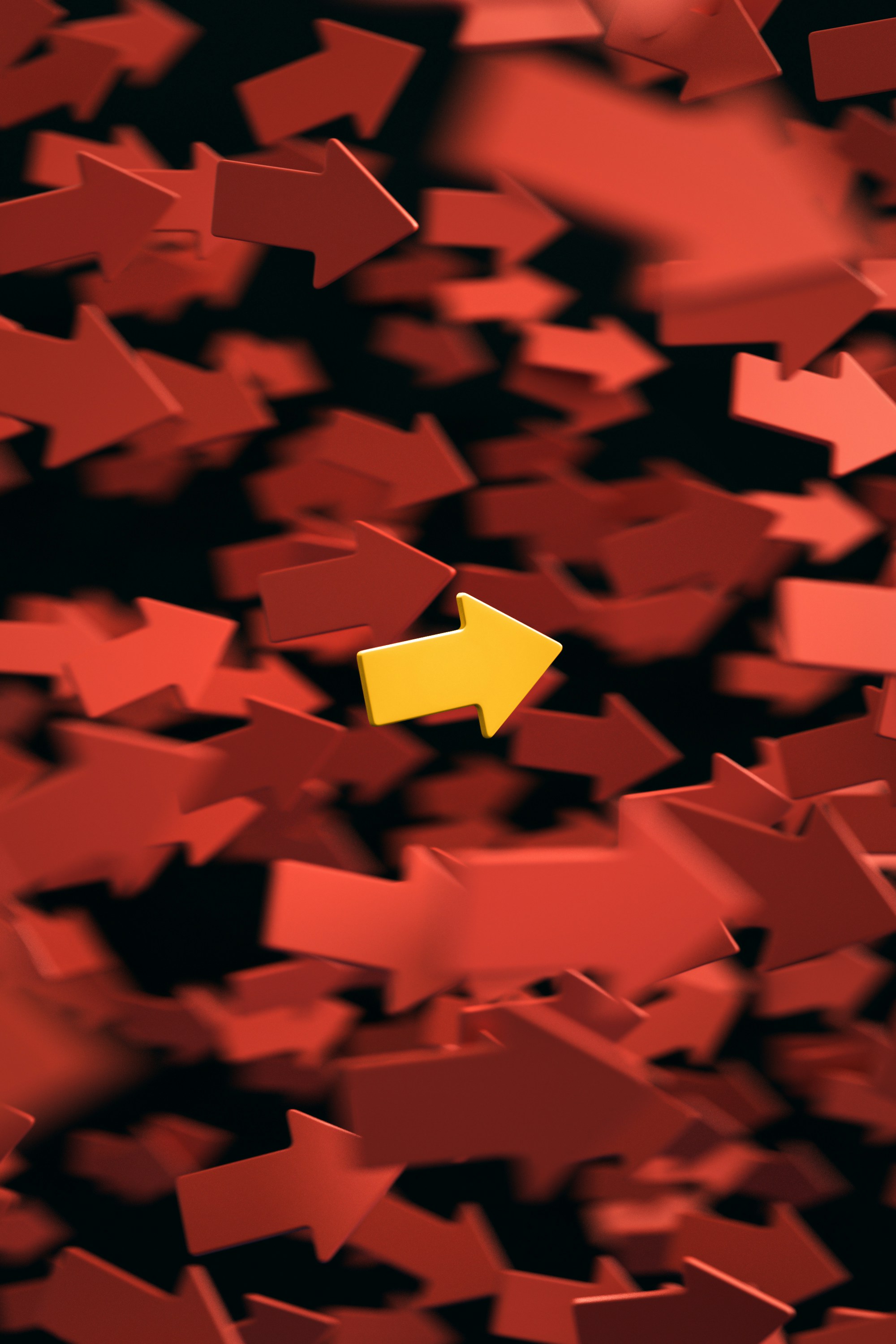
The smartest brands ride signal trends. The rest keep surfing foam.
The Trend Filter Framework
I started using a simple 3-part framework I now call The Trend Filter. Think of it like a decision compass before you jump on any trend:
1. Timing
Is this trend just getting started — or already crowded?
Early enough to explore = potential.
Too late = you're building on the rubble of failed clones.
2. Relevance
Does it align with your audience, product, or purpose?
If you run a fashion label, do you really need a Discord server?
If you're a SaaS startup, is that new dance challenge really brand-aligned?
3. Momentum
Is this trend part of a bigger wave — or just a spike?
You want to ride steady growth, not jump on a flash in the pan.
Real Scenarios: The Filter in Action
🧵 For a fashion brand owner:
Let’s say you hear that “hyper-minimalist 1990s revival” is trending on TikTok. It’s gaining views fast.
You apply the Trend Filter:
Timing: It’s early, not yet on runways — ✔️
Relevance: Your brand already leans into clean silhouettes — ✔️
Momentum: Influencers + small boutiques are adopting — ✔️
✅ Trend Filter says: Test a capsule line.
💡 For a tech startup:
You’re thinking about integrating Web3 into your app. Why? Because “everyone’s doing it.”
You apply the filter:
Timing: Web3 buzz is fading — ⚠️
Relevance: Your users care about speed, not decentralization — ❌
Momentum: NFT sales are declining — ❌
❌ Trend Filter says: Hard pass. Focus on what your users actually want.
When to Ignore the Noise
I once passed on a trend that promised to “revolutionize content creation using AI-generated memes.” Yes, it was tempting. But something felt off — and the Trend Filter flagged it.
A few months later, that tool’s website was gone. The founders had pivoted… to a Slack bot that sends dad jokes.
Sometimes, the best thing you can do is not follow the crowd.
Final Filter: Gut Meets Data
No framework is perfect. But The Trend Filter helps you pause before you commit, which is half the battle. The real win comes when you combine this logic with instinct and a pinch of pattern recognition.
Sometimes the trend will be right. Sometimes it won’t. But if you’re making trend decisions based on alignment — not adrenaline — you’re already ahead of 90% of the internet.
Closing Thought
In a world where everyone’s chasing the next big thing, focus is your edge.
Trends aren’t bad — they’re powerful. But only if you know which ones to follow.
The Trend Filter helps you spot signal in the static. Use it, trust it, refine it — and build smarter, not faster.
About the Creator
Digitalwealthbuilder
Keeping up with trends is what keeps businesses afloat and what takes start ups to the next level... My articles are all about Trend Intelligence and how to acquire it.
Enjoyed the story? Support the Creator.
Subscribe for free to receive all their stories in your feed.
Comments
There are no comments for this story
Be the first to respond and start the conversation.