
The Timeless Appeal of RD Burman’s Romantic Tracks
Rahul Dev Burman
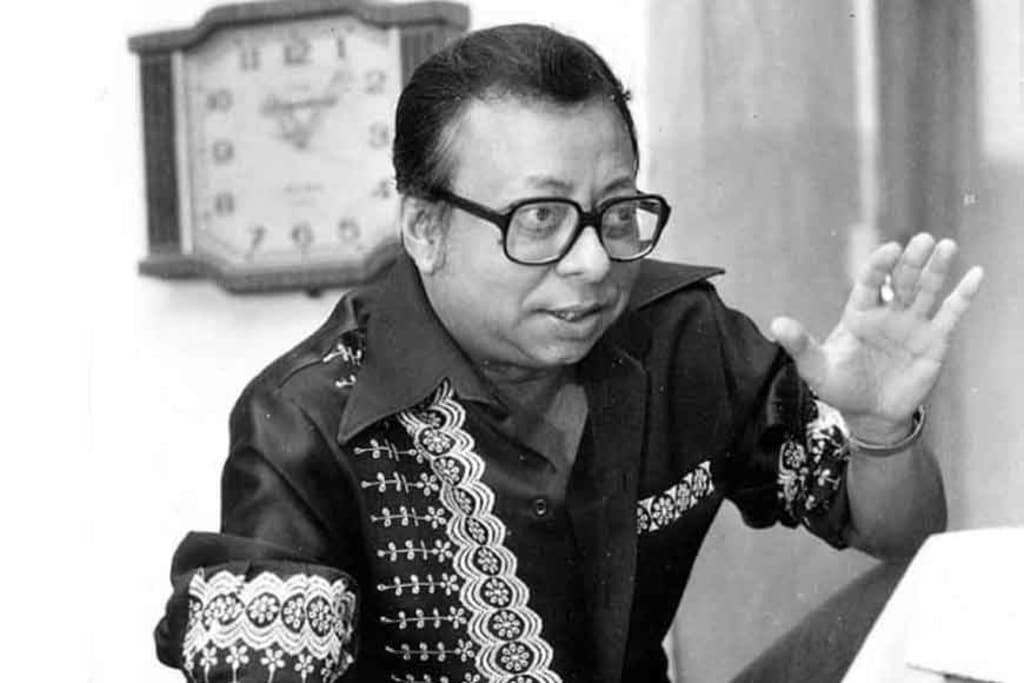
Rahul Dev Burman, affectionately known as RD Burman, revolutionized Indian film music and established himself as one of the most iconic composers in Bollywood history. Widely regarded as a visionary, RD Burman redefined the way music was composed, introducing experimental techniques and a fusion of styles that remain unparalleled. Dubbed the "Music Scientist" of Bollywood, his creative genius transcended traditional boundaries, blending Indian classical melodies with Western genres like rock, jazz, and funk. RD Burman’s compositions, ranging from soulful ballads to foot-tapping dance numbers, set new benchmarks in the industry, cementing his position as a maestro of timeless music. This article delves into RD Burman’s incredible journey, his experimental approach to music, and the indelible legacy he left behind.
The Making of a Musical Genius
Born on June 27, 1939, in Calcutta (now Kolkata), RD Burman was destined to be a musical prodigy. Growing up in a household steeped in music, thanks to his father, the legendary SD Burman, young Rahul developed an early passion for melodies. Despite his father’s towering influence in the music industry, RD was determined to forge his own path. As a child, he displayed an uncanny knack for music, often playing with harmonicas and composing his own tunes.
In fact, RD Burman’s first brush with fame occurred when he composed the tune for "Sar Jo Tera Chakraye," which SD Burman later used in the iconic film Pyaasa. Encouraged by his father’s guidance and his own creative instincts, RD pursued music with relentless passion.
Experimentation: RD Burman’s Signature Style
RD Burman’s approach to music was nothing short of revolutionary. He was a pioneer of experimentation, seamlessly blending Indian classical music with global genres. His bold use of unconventional sounds set him apart from his contemporaries.
Innovative Sounds: RD Burman was known for his ability to turn everyday noises into musical elements. For example:
The clinking of glass bottles in "Chura Liya Hai Tumne Jo Dil Ko."
The revving of a motorcycle engine in "Piya Tu Ab To Aaja."
The eerie, hypnotic use of a tabla and synthesizer combination in "Mehbooba Mehbooba."
Western Influence: RD was one of the first Indian composers to integrate Western instruments like the guitar, trumpet, and keyboard into Bollywood music. His love for jazz, rock, and Latin rhythms brought a modern flair to his compositions.
Futuristic Technology: In a time when synthesizers and electronic music were relatively new, RD embraced these tools with open arms, creating a futuristic sound that appealed to young audiences.
Legendary Collaborations
One of the hallmarks of RD Burman’s career was his ability to collaborate with artists who shared his creative vision. His partnerships with legendary singers, lyricists, and filmmakers produced timeless masterpieces.
Kishore Kumar: RD’s collaboration with Kishore Kumar is perhaps one of the most celebrated in Bollywood history. Together, they gave us unforgettable hits like "Yeh Shaam Mastani," "Roop Tera Mastana," and "O Mere Dil Ke Chain." Kishore’s versatile voice brought RD’s compositions to life, creating songs that resonate even today.
Asha Bhosle: RD Burman’s professional and personal relationship with Asha Bhosle resulted in some of the most iconic tracks in Bollywood. Hits like "Dum Maro Dum," "Piya Tu Ab To Aaja," and "Chhod Do Aanchal" showcased their shared passion for experimentation and creativity.
Lyricists: RD’s partnerships with lyricists like Gulzar and Anand Bakshi resulted in poetic masterpieces. Songs like "Tere Bina Zindagi Se" from Aandhi and "Tujhse Naraz Nahi Zindagi" from Masoom are testaments to the deep emotional connection between music and lyrics.
RD Burman’s Golden Era
The 1970s and 1980s marked RD Burman’s most prolific period, a time when he was at the peak of his creative powers. Films like Sholay, Amar Prem, and Hare Rama Hare Krishna featured soundtracks that became as iconic as the movies themselves.
Iconic Tracks: The haunting melody of "Chingari Koi Bhadke" and the foot-tapping beats of "Mehbooba Mehbooba" showcased RD’s versatility.
Film Impact: RD’s music didn’t just complement films; it elevated them. The emotional depth of his compositions added a layer of storytelling that resonated with audiences.
Challenges and Comeback
While RD Burman ruled the Bollywood music scene for decades, his career faced a dip in the late 1980s due to changing trends. However, he made a triumphant return with the soundtrack for 1942: A Love Story, proving that his genius was undiminished. Tracks like "Ek Ladki Ko Dekha" and "Kuch Na Kaho" became instant classics, earning him posthumous accolades.
The Timeless Legacy of RD Burman
Even decades after his passing, RD Burman’s music remains as fresh and vibrant as ever. His compositions have been remixed and reimagined by contemporary artists, proving their universal appeal. Modern composers often cite RD as their inspiration, and his songs continue to find space in movies, advertisements, and playlists around the world.
RD Burman’s ability to transcend generational boundaries and cultural barriers is a testament to his unmatched talent. His music not only defined an era but also set the stage for future innovations in Bollywood.
Conclusion
RD Burman, the revolutionary composer, is an enduring icon whose music has stood the test of time. By introducing bold experimentation and fusing Indian and Western sounds, he reshaped the Bollywood music industry forever. His creative genius remains unparalleled, inspiring generations of artists and captivating audiences across the globe. RD Burman’s timeless legacy reminds us of the power of music to connect hearts and break boundaries, ensuring that his melodies will continue to echo for generations to come.
About the Creator
Enjoyed the story? Support the Creator.
Subscribe for free to receive all their stories in your feed.
Comments
There are no comments for this story
Be the first to respond and start the conversation.