
The Surprising People Who Write for Wikipedia
Write for Wikipedia
The Surprising People Who Write for Wikipedia
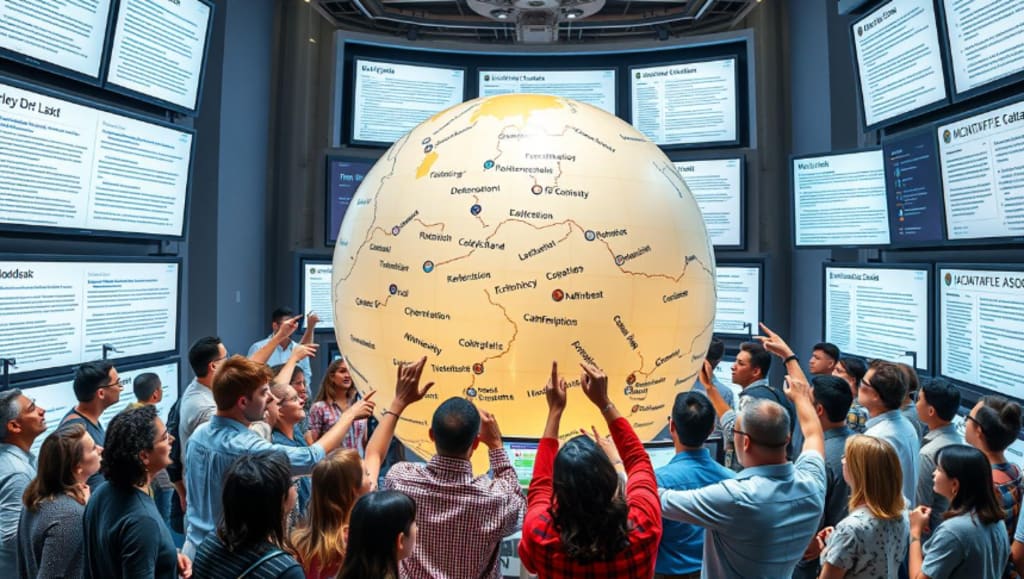
Every time I clicked through Wikipedia pages, I never realized the incredible human stories behind each entry. Who writes content for Wikipedia? The answer might shock you. This collaborative online encyclopedia isn't just a digital repository of information—it's a living, breathing community of passionate knowledge sharers from every corner of the globe.
Imagine thousands of volunteers dedicating their free time to documenting human knowledge, from obscure historical events to cutting-edge scientific discoveries. These aren't just random internet users—they're experts, enthusiasts, academics, and everyday people united by a shared mission of making information accessible to everyone.
Wikipedia represents something extraordinary: a democratic approach to knowledge creation where anyone with expertise and dedication can contribute. The platform has transformed how we understand and share information, breaking down traditional barriers of academic publishing and creating a truly global knowledge network.
Key Takeaways
Wikipedia relies on a diverse global community of volunteer writers
Contributors come from various professional and personal backgrounds
The platform enables collaborative knowledge sharing across cultures
No specialized credentials are required to become a Wikipedia writer
Each contributor plays a crucial role in expanding global understanding
Understanding Wikipedia's Global Community of Writers
Wikipedia is a special place where people from all over the world share knowledge. It's a place where many hands come together to create, share, and find information. This makes it different from other sources of information.
People from all walks of life contribute to Wikipedia. They bring their unique views and experiences. This diversity is what makes Wikipedia so powerful.
Demographics of Wikipedia Contributors
Studies have shown interesting facts about who writes for Wikipedia:
Most contributors are men (around 85-90%)
They are usually between 25-40 years old
They tend to be well-educated
They mostly come from countries with good internet access
Geographic Distribution of Editors
Region Percentage of Contributors
North America 35%
Europe 30%
Asia 20%
Other Regions 15%
Language and Cultural Diversity
Wikipedia is available in many languages. This lets people from different cultures share knowledge. Crowd-sourced knowledge breaks down language barriers, with content in over 300 languages.
"Wikipedia is not just an encyclopedia, it's a global conversation." - Jimmy Wales, Wikipedia Founder
Wikipedia welcomes everyone's views. This makes it a richer source of global information.
Who Writes Content for Wikipedia: Breaking Down the Myths
The world of Wikipedia content writers is complex and diverse. It's not just one group of experts. Instead, it's a mix of volunteers from all over the world.
Let's look at who makes up Wikipedia's content creators:
Casual hobbyists who love certain topics
Academic researchers with deep knowledge
Professional experts in many fields
Student volunteers
People from all over with different views
Wikipedia's spirit of teamwork lets anyone with knowledge contribute. This way, it keeps growing with the help of many people.
"Wikipedia represents a democratic approach to knowledge sharing, where expertise is not confined to traditional academic boundaries." - Digital Research Collaborative
Anyone can write for Wikipedia, but the info must be checked carefully. The community reviews each piece to keep the quality high. This is true even though many different people contribute.
Wikipedia's writers challenge old ways of sharing knowledge. They make a global, inclusive encyclopedia. It shows many views and the power of working together.
The Volunteer Army Behind Wikipedia's Pages
Wikipedia is a unique place where people from all over the world work together. They share their knowledge and skills to make it the biggest collaborative knowledge site. This team of volunteers comes from different backgrounds, adding their own views and expertise.
The community of Wikipedia is made up of many contributors. Each one plays a key role in keeping and growing the site's vast knowledge base.
Professional Experts vs. Enthusiasts
Wikipedia's strength comes from its varied contributors. Experts add deep, specialized knowledge. Meanwhile, enthusiasts bring their passion and wide interests to the site.
Professionals offer rigorous, peer-reviewed insights
Enthusiasts contribute detailed information from personal research
Both groups ensure comprehensive and engaging content
Academic Contributors
Scholars and researchers are a big part of Wikipedia's team. Academic professionals use their training to make articles more accurate and detailed.
"Wikipedia represents a democratized knowledge platform where academic expertise meets public curiosity"
Subject Matter Specialists
People with deep knowledge in certain areas make big contributions. These specialists help keep Wikipedia's content top-notch in many fields.
Technical experts in engineering
Scientific researchers
Industry professionals
Historical archivists
Together, these volunteers are changing how we share knowledge. They make sure everyone can access and learn from Wikipedia's ever-growing content.
Requirements and Guidelines for Wikipedia Authors
https://youtube.com/watch?v=E5XtJXMmST4
Wikipedia's writing guidelines are key to its reliable and unbiased content. These rules help volunteers keep their work accurate and trustworthy.
The main points of Wikipedia's guidelines cover important areas:
Neutral Point of View (NPOV): Authors must present information objectively
Verifiability through reliable sources
No original research policy
Transparent citations
Respectful collaboration
"Wikipedia is not about truth, but about verifiability" - Jimmy Wales, Wikipedia Founder
What authors need to do includes:
Citing credible and independent sources
Avoiding personal opinions
Maintaining a neutral tone
Providing references for all claims
Guideline Category Key Requirements
Content Neutrality Represent all significant views fairly
Source Reliability Use peer-reviewed, published sources
Editing Ethics Respect other contributors' work
Wikipedia's guidelines help create a space where knowledge is shared well and safely. By sticking to these rules, volunteer writers help make Wikipedia a top source of information.
The Role of Wikipedia Administrators and Moderators
Wikipedia editors are key to keeping the site reliable and trustworthy. Administrators and moderators work hard to make sure the content is accurate and of high quality. They help make Wikipedia a valuable resource for people all over the world.
Selection Process for Administrators
Getting to be a Wikipedia administrator is not easy. The process is strict and requires a lot of dedication. To become an administrator, one must:
Show a history of high-quality editing
Understand Wikipedia's rules well
Have a track record of helping others
Have been editing for at least several months
Responsibilities and Authority
Administrators have big responsibilities. They are in charge of:
Keeping pages safe from vandalism
Stopping users who cause trouble
Checking and managing changes to content
Making sure everyone follows the rules
"With great power comes great responsibility" - This saying really fits the job of Wikipedia administrators.
Conflict Resolution
Administrators act as fair mediators in disputes. They use their skills to solve problems, keeping the focus on creating quality content. They make sure everyone works together and follows the site's rules.
They help avoid fights and create a positive place for editing. This helps everyone share knowledge and grow the community.
How Wikipedia Ensures Content Quality and Accuracy
Wikipedia has strict rules for quality content. It uses smart editorial policies and checks by the community. This ensures that what you read is accurate and trustworthy.
Wikipedia checks content in several ways:
Collaborative fact-checking by global contributors
Automated monitoring systems
Transparent editorial review mechanisms
Robust citation requirements
Volunteer editors play a big role in keeping content right. They use special tools and algorithms to spot problems like vandalism and wrong info.
"Accuracy is our highest priority" - Wikipedia Community Guidelines
Wikipedia uses many ways to check content:
Verification Method Purpose Impact
Edit Tracking Monitor article changes Immediate identification of suspicious edits
Citation Verification Validate source credibility Ensures information reliability
Community Watchlists Continuous monitoring Rapid error detection
Advanced bots check articles for mistakes. This helps Wikipedia keep its promise of quality and accuracy in millions of articles.
The Evolution of Wikipedia's Editorial Policies
Wikipedia's editorial policies have changed a lot since it started. This online encyclopedia keeps improving how it creates, checks, and manages content.
Wikipedia's policies have evolved to tackle digital information issues. It moved from open editing to more detailed rules. Now, it has smart ways to make sure the content is trustworthy.
Notable Changes Over Time
Wikipedia's policies have hit some big milestones:
Introduction of strict verification requirements
Enhanced citation standards
Implementation of expert review processes
Robust vandalism prevention mechanisms
Current Standards and Practices
Today, Wikipedia focuses on:
Neutral point of view
Verifiability of sources
No original research
Collaborative content development
"Wikipedia's strength lies in its community-driven approach to knowledge creation and verification." - Jimmy Wales, Founder
Future Development Plans
Wikipedia is looking into new ways to keep content top-notch. It's exploring AI for fact-checking, more languages, and better editorial rules.
Wikipedia's policies show its dedication to a reliable, global knowledge base.
Notable Wikipedia Contributors and Their Impact
Wikipedia contributors are a global community of people who share knowledge. They have changed how we access information online. These volunteers come from all walks of life, adding their expertise to the world's biggest encyclopedia.
Some contributors have made big changes in how we see knowledge:
Steven Pruitt, the most active Wikipedia editor, has made over 35,000 articles
Emily Temple-Wood has added more biographies of women scientists
Patricio Lorente has grown Wikipedia's Spanish content a lot
"Every edit matters in building a comprehensive global knowledge resource"
These contributors show the strength of sharing knowledge together. They do more than just edit. They build a vast, open information source for millions around the world.
Contributor Contribution Highlight Impact
Steven Pruitt Most articles created Over 35,000 entries
Emily Temple-Wood Women in Science representation Expanded biographical entries
Patricio Lorente Spanish language development Significant regional content growth
The work of these contributors shows that a few passionate people can make a big difference. They prove that sharing knowledge together can have a global impact.
Challenges Faced by Wikipedia Writers
Wikipedia editors face a complex world of teamwork. They need special skills and determination. They work hard to keep the world's biggest online encyclopedia up to date.
Common Obstacles in Wikipedia Writing
Wikipedia editors deal with many big challenges:
Managing edit wars between different views
Keeping content neutral on hot topics
Checking if sources are trustworthy
Handling bias
Stopping vandalism
Support Systems for Wikipedia Contributors
The Wikipedia community has strong support for its writers:
Discussion pages for solving content issues
Mentorship for new writers
Clear rules and policies
Noticeboards for conflict resolution
"Collaboration is the heart of Wikipedia's success" - Jimmy Wales, Wikipedia Founder
Wikipedia editors work hard to beat these challenges. They make sure the platform is a trusted source of knowledge for millions.
How to Become a Wikipedia Contributor
Becoming a volunteer Wikipedia author is an exciting way to share knowledge. It's a great way to help a global information platform. The process is easy and open to everyone, no matter your background or expertise.
To start your journey as a Wikipedia contributor, follow these essential steps:
Create a Wikipedia account
Read the platform's core policies
Start with small edits
Learn from experienced editors
Gradually expand your contributions
"Knowledge grows when shared collectively" - Wikipedia Philosophy
Volunteer Wikipedia authors usually start by making small changes. They might fix spelling errors or add sources to articles. Accuracy and neutrality are key when editing.
Skill Level Recommended First Steps Time Commitment
Beginner Spelling/grammar corrections 1-2 hours per week
Intermediate Adding references, expanding sections 3-5 hours per week
Advanced Creating new articles, complex editing 5-10 hours per week
Successful volunteer Wikipedia authors are patient, skilled in research, and dedicated to sharing knowledge. Start small, keep learning, and enjoy helping this amazing global resource.
Conclusion
Wikipedia is a groundbreaking model of a collaborative online encyclopedia. It goes beyond traditional ways of sharing knowledge. It has changed how we access and understand information in many fields.
The power of Wikipedia comes from its community of volunteer writers, experts, and enthusiasts. Together, they create a vast knowledge resource. This platform has made information more accessible, allowing people from all walks of life to share their knowledge.
Wikipedia stays ahead in the digital world of information. It has strong editorial policies and checks information carefully. This shows how collaborative platforms can provide accurate and detailed content for everyone.
Wikipedia shows the power of human curiosity and learning together. It invites people to share knowledge and build information together. This platform is changing how we create, manage, and share information today.
FAQ
Who actually writes content for Wikipedia?
A wide range of people write for Wikipedia. This includes fans, experts, and everyday people. They all share their knowledge with the world.
Do you need special qualifications to write for Wikipedia?
You don't need any special qualifications. But, you must follow strict rules. These include keeping your views neutral and using reliable sources.
How many people contribute to Wikipedia?
Thousands of people edit Wikipedia every day. Around 250,000 contributors make at least five edits a month. They work on many language versions.
Are Wikipedia writers paid professionals?
Most Wikipedia writers are volunteers. Some experts might write for free. But, most do it because they love sharing knowledge.
How does Wikipedia ensure the accuracy of crowd-sourced content?
Wikipedia checks content through many steps. This includes editing, peer review, and using sources. It also has tools to spot and fix mistakes.
Can anyone edit Wikipedia articles?
Yes, but some pages need special permission. New editors can start by creating an account. They must follow rules and be ready for community checks.
What motivates people to write for Wikipedia?
People write for many reasons. They want to share knowledge, help education, and contribute to a global resource. They also improve their writing skills and join a community.
How do Wikipedia editors handle controversial topics?
Editors handle tough topics by keeping views neutral. They use credible sources and present balanced info. They also use discussion pages to solve disagreements.
Are Wikipedia writers anonymous?
Most writers use usernames to stay private. This lets them build a reputation without revealing their identity.
About the Creator
Jesmin
Explores words to create worlds with poetry, nonfiction, and fiction. Writes content that permeates then
Enjoyed the story? Support the Creator.
Subscribe for free to receive all their stories in your feed.
Comments
There are no comments for this story
Be the first to respond and start the conversation.