
The Science Behind Keto: How It Helps You Shed Pounds Quickly
keto diet
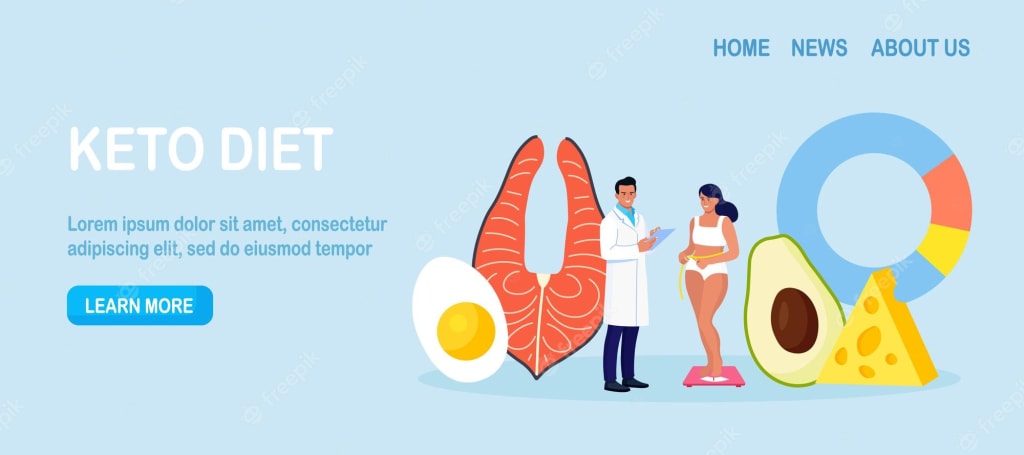
Are you looking for a diet that can help you lose weight quickly and effectively? Well, look no further than the ketogenic diet, or "keto" for short. This low-carb, high-fat diet has been gaining popularity in recent years for its promising results. But what is the science behind this diet, and how does it work? In this post, we'll dive into the science behind the keto diet and see how it can help you shed pounds quickly.How the Keto Diet Works
The keto diet works by forcing the body to enter a state of ketosis, where it burns fat for energy instead of carbohydrates. Normally, the body gets its energy from glucose, which is derived from carbohydrates. But by drastically reducing carbohydrate intake and increasing healthy fat consumption, the body is forced to use fat for energy instead of glucose.
To enter ketosis, you need to restrict your carbohydrate intake to less than 50 grams per day. This means cutting out bread, pasta, rice, and other high-carb foods. Instead, you'll be eating foods that are high in fat, such as meat, fish, eggs, cheese, and nuts. By doing this, you'll be able to reduce your insulin levels, which will trigger your body to start burning fat for fuel instead of glucose.
One of the benefits of the keto diet is that it helps to reduce hunger and cravings. When you eat a high-carb diet, your blood sugar levels spike, which can lead to cravings and hunger pangs. But by eating a high-fat, low-carb diet, your blood sugar levels remain stable, which can help reduce cravings and keep you feeling full for longer.
Benefits of the Keto Diet
The keto diet has been shown to have a number of benefits, including weight loss, improved cholesterol levels, reduced inflammation, and better blood sugar control. Here are some of the main benefits of the keto diet:
Weight Loss
One of the main reasons people try the keto diet is for weight loss. Studies have shown that the keto diet can be very effective for shedding pounds quickly. In fact, one study found that people on the keto diet lost 2.2 times more weight than those on a low-fat diet.
The reason why the keto diet is so effective for weight loss is that it helps to reduce hunger and cravings, which can make it easier to stick to the diet. Additionally, when you enter ketosis, your body starts to burn fat for fuel instead of glucose. This means that your body is constantly burning fat, even when you're not exercising.
Improved Cholesterol Levels
The keto diet has also been shown to improve cholesterol levels. Studies have found that the keto diet can help to increase HDL (good) cholesterol levels and decrease LDL (bad) cholesterol levels. This is important because high levels of LDL cholesterol are associated with an increased risk of heart disease.
Reduced Inflammation
Inflammation is a natural response that occurs in the body when it's trying to heal itself. However, chronic inflammation can lead to a number of health problems, including heart disease, diabetes, and cancer. The keto diet has been shown to reduce inflammation in the body, which can help to improve overall health.
Better Blood Sugar Control
The keto diet has also been shown to help improve blood sugar control in people with type 2 diabetes. When you eat a high-carb meal, your blood sugar levels can spike, which can be dangerous for people with diabetes. However, when you eat a low-carb, high-fat diet, your blood sugar levels remain stable, which can help to improve blood sugar control.
Click here to take a quiz and find out what is holding you back from losing weight.
Foods to Eat on the Keto Diet
So, what can you eat on the keto diet? Here are some of the foods you should include in your diet:
Meat and Poultry
Meat and poultry are great sources of protein and healthy fats. Be sure to choose grass-fed, organic meat whenever possible.
Fish and Seafood
Fish and seafood are also great sources of protein and healthy fats. Some good options include salmon, tuna, sardines, and shrimp.
Eggs
Eggs are a great source of protein and healthy fats. Be sure to choose free-range, organic eggs whenever possible.
Low-Carb Vegetables
Low-carb vegetables are a great source of fiber and nutrients. Some good options include spinach, kale, broccoli, cauliflower, and zucchini.
Nuts and Seeds
Nuts and seeds are a great source of healthy fats and protein. Some good options include almonds, macadamia nuts, walnuts, and chia seeds.
Tips for Starting the Keto Diet
If you're ready to start the keto diet, here are some tips to help you get started:
Start Slow
Don't try to switch to the keto diet overnight. Start by gradually reducing your carbohydrate intake and increasing your fat intake.
Stay Hydrated
When you're on the keto diet, it's important to stay hydrated. Be sure to drink plenty of water and electrolyte-rich beverages.
Track Your Macros
To ensure that you're getting the right balance of macronutrients, it's important to track your intake of protein, fat, and carbohydrates.
Be Prepared
Be sure to plan your meals ahead of time and have keto-friendly snacks on hand for when hunger strikes.
Conclusion and Final Thoughts
inal ThoughtsThe keto diet is a low-carb, high-fat diet that has been shown to be effective for weight loss and improving overall health. By entering a state of ketosis, the body is able to burn fat for fuel instead of glucose, leading to rapid weight loss. The keto diet has also been shown to improve cholesterol levels, reduce inflammation, and help manage certain medical conditions. If you're ready to kickstart your weight loss journey and reap the health benefits of the keto diet, be sure to follow the tips outlined in this post and consult with a healthcare professional before starting any new diet.
About the Creator
Enjoyed the story? Support the Creator.
Subscribe for free to receive all their stories in your feed.
Comments
There are no comments for this story
Be the first to respond and start the conversation.