
The Rise of Generative AI in Media
Techify Solutions

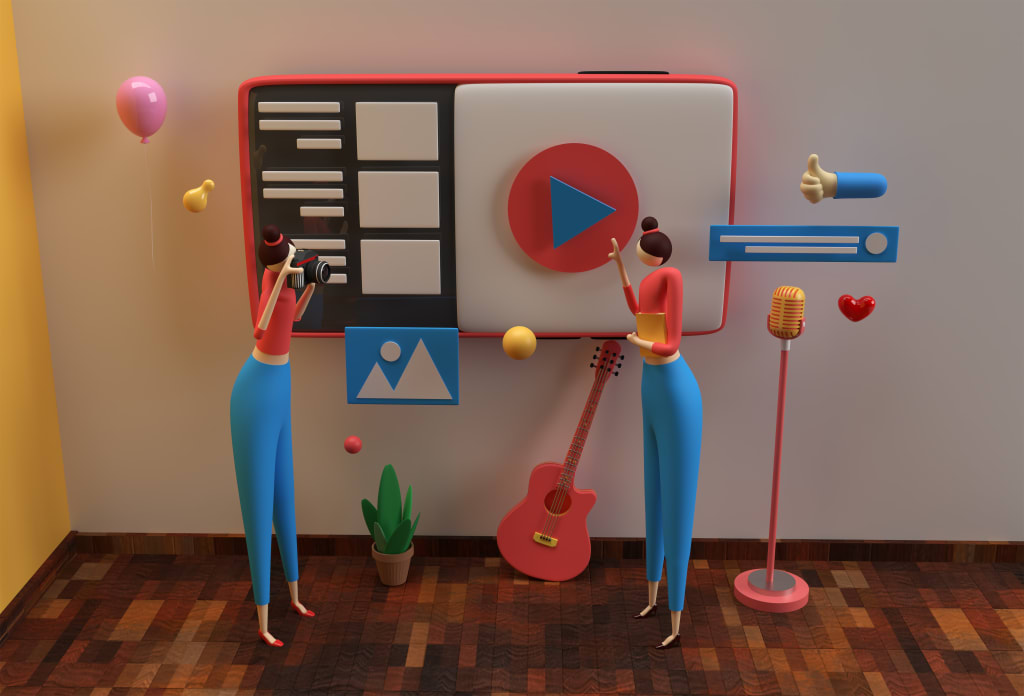
Generative AI refers to a subset of artificial intelligence that involves the creation of content, including text, images, audio, and video, by algorithms trained on vast datasets. This technology has seen significant advancements in recent years, thanks to developments in machine learning, particularly in neural networks like GANs (Generative Adversarial Networks) and transformers.
- Art and Design: Tools like DALL-E and Midjourney have shown us that AI can generate visually stunning pieces that rival human artists in complexity and beauty. These AI solutions are not just tools for artists but also for marketers, designers, and even laypeople looking to create personalized content.
- Music and Audio: AI isn’t stopping at visual arts. Platforms like AIVA are composing music that captures the listener’s emotions, while voice synthesis technologies are creating realistic voiceovers for podcasts, audiobooks, and virtual assistants.
- Literature and Scriptwriting: With tools like AI Dungeon, we’re seeing AI assisting in narrative creation, providing plot ideas, or even writing entire stories. This isn’t to replace writers but to augment their creative process, offering new angles and speeding up ideation.
How Generative AI Enhances Content Creation
- Speed and Efficiency: AI can generate content at a pace no human can match. For businesses, this means faster marketing campaigns, quicker content updates, and the ability to tailor content on-the-fly based on user interaction.
- Quality and Consistency: While AI might not always capture the nuanced touch of a seasoned writer or artist, it ensures a level of quality and consistency across large volumes of content. This is particularly useful for branding where maintaining a uniform style is key.
- Personalization at Scale: AI can analyze user data to produce personalized content. Imagine a news site where headlines and articles adapt to your interests or an educational platform where learning material adjusts to your pace and style of learning.
- Innovation in Creativity: AI pushes the boundaries of what’s thought possible in art and media. It encourages human creators to explore new styles or collaborate with AI, leading to unique artistic expressions.
Challenges and Ethical Considerations
However, with great power comes significant responsibility:
- Originality vs. Plagiarism: There’s a thin line between inspiration and copying. AI-generated content sometimes borrows too heavily from its training data, raising concerns about originality.
- Ethical Use: The potential for misuse in areas like deepfakes, where AI can create misleading content, necessitates stringent ethical guidelines.
- Job Displacement: While AI can be a creator’s best tool, there’s fear it might replace human creatives. Instead, the focus should be on how AI can complement human efforts, perhaps by automating mundane tasks, leaving more room for creativity.
- Bias in AI: AI learns from data, which can perpetuate biases if not curated carefully. Ensuring diverse and fair datasets is crucial for equitable content generation.
Case Studies: Success Stories of Generative AI in Action
- The Washington Post’s Heliograf: An AI journalist that has covered thousands of local sports, election results, and even contributed to Pulitzer Prize-winning stories, showcasing how AI can handle scale while freeing up human journalists for deeper, investigative pieces.
- Adobe’s Sensei: Used in Adobe Photoshop and other products, Sensei helps in creating and editing images, making professional-grade design accessible to everyone.
- NVIDIA’s GauGAN: Turns simple sketches into photorealistic landscapes, demonstrating how AI can democratize art creation.
The Future of Content with AI
Looking ahead, the integration of AI in content creation will likely become more seamless. Here are some predictions:
- AI as a Collaborative Partner: Future AI tools will be designed to work alongside humans, perhaps even in real-time, suggesting edits or ideas as a piece is being developed.
- Interactive and Dynamic Content: Think of content that changes based on user interaction or environmental factors, crafted by AI systems that understand context deeply.
- Enhanced Learning and Educational Content: Generative AI could revolutionize education by creating adaptive learning materials that evolve based on student feedback and performance.
Conclusion
Generative AI solutions are not just a tool but a new paradigm in content creation. They offer unprecedented opportunities for creativity, efficiency, and personalization. However, they also challenge us to think about ethics, originality, and the role of human creativity in an increasingly automated world. As we step into this new frontier, the key will be to harness AI’s capabilities while preserving the unique human touch that makes content truly resonate.
By staying informed and engaged with these developments, content creators, marketers, educators, and enthusiasts can explore this exciting landscape where technology and human creativity converge to redefine what’s possible in media.
About the Creator
Techify Solutions INC
Techify stands as the fastest-growing global tech company, with a presence in India and the United States and a diverse client base spanning India, USA, Australia, and UAE.
Enjoyed the story? Support the Creator.
Subscribe for free to receive all their stories in your feed.
Comments
There are no comments for this story
Be the first to respond and start the conversation.