
The Pros and Cons of Spicy Food for Your Health
Spicy food has a special place in many cuisines around the world. From fiery curries to hot salsas, these dishes offer a burst of flavor that many people love. But while spicy foods can add excitement to meals, they also come with both advantages and disadvantages for our health. In this article, we will take a closer look at the pros and cons of spicy food, helping you make informed choices about what to eat.

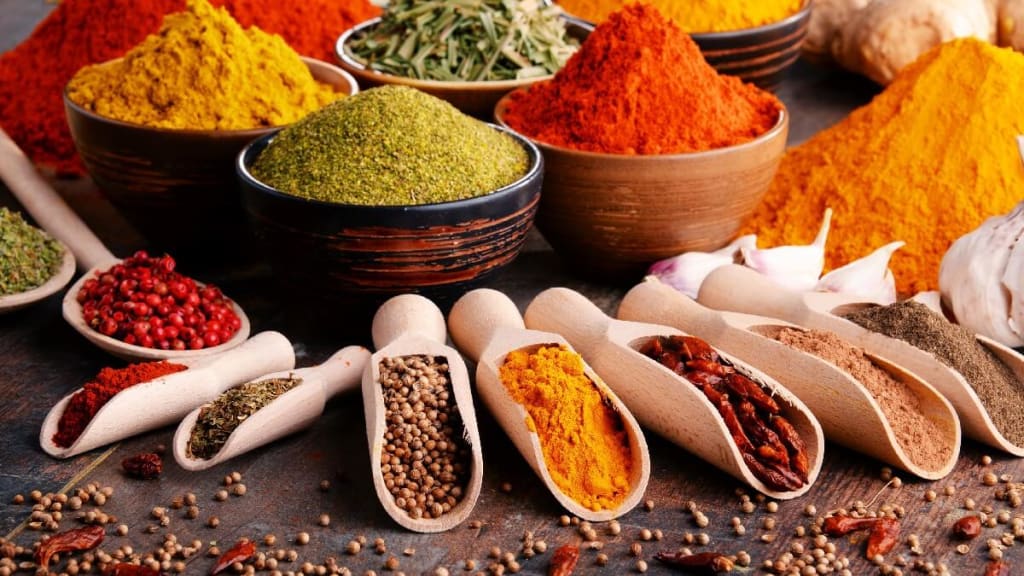
The Good Side of Spicy Food**
1. **Boosts Metabolism**
One of the most exciting benefits of spicy food is its ability to give your metabolism a little kick. The secret ingredient here is capsaicin, the compound that gives chili peppers their heat. Research shows that capsaicin can temporarily raise your metabolism, helping you burn more calories. This can be especially helpful for those trying to manage their weight. When your body burns more energy, it can aid in maintaining a healthy weight over time.
2. **Packed with Nutrients**
Spicy foods are often made with a variety of ingredients that are full of vitamins and minerals. For example, chili peppers are rich in vitamin C, which is vital for a strong immune system. Other common spicy ingredients, like garlic and ginger, also come loaded with health benefits. Garlic can support heart health, while ginger is known for its anti-inflammatory properties. Incorporating spicy foods into your diet can help you get more essential nutrients, making your meals both tasty and healthy.
3. **Makes Meals More Satisfying**
One reason many people love spicy food is that it makes meals more flavorful. When you add spice to your dishes, it can enhance the overall taste and aroma, making every bite more enjoyable. This can help you feel satisfied with smaller portions because the flavors are more intense. Eating smaller amounts can be beneficial for those who want to control their calorie intake while still feeling full.
4. **Heart Health Benefits**
Another positive aspect of spicy food is its potential benefits for heart health. Studies have shown that capsaicin may help lower blood pressure and improve circulation. This is important because maintaining a healthy heart is crucial for overall well-being. Additionally, the antioxidants found in many spicy ingredients can help protect your heart by fighting oxidative stress, further supporting cardiovascular health.
5. **Supports Digestive Health**
Surprisingly, spicy foods can actually promote good digestion for many people. Spices can stimulate the production of digestive juices, making it easier for your body to break down food. Ingredients like ginger and garlic can promote healthy gut bacteria, which is essential for good digestion. Additionally, capsaicin may encourage the release of mucus in the stomach, providing a protective lining that can prevent ulcers.
The Drawbacks of Spicy Food**
1. **Digestive Issues**
While spicy foods can aid digestion for some, they can cause problems for others. If you have a sensitive stomach, consuming spicy foods might lead to discomfort, heartburn, or acid reflux. The heat from spices can irritate the stomach lining, leading to symptoms like bloating or stomach cramps. If you find that spicy foods upset your stomach, it might be best to reduce your intake.
2. **Possible Allergies or Sensitivities**
Some people may experience allergies or sensitivities to certain spices or peppers. This can lead to mild symptoms like itching or hives, or more serious reactions like difficulty breathing. It’s important to be cautious when trying new spicy foods, especially if you have a history of food allergies. Always listen to your body and avoid any foods that cause adverse reactions.
3. **Risk of Overindulgence**
The excitement of spicy food can sometimes lead people to eat more than they should. Many individuals enjoy the challenge of eating very spicy dishes, but this can result in discomfort or even pain. Overeating spicy foods can also lead to gastrointestinal distress, which is not a pleasant experience. It’s crucial to find a balance and enjoy spicy foods in moderation.
4. **Dulling of Taste Buds**
Frequent consumption of extremely spicy foods can affect your taste buds over time. When you constantly eat very hot dishes, you may find that other flavors become less noticeable. This can lead to a preference for heat over more balanced flavors, potentially limiting your food choices. To keep your palate diverse, it’s essential to enjoy a variety of flavors and not rely solely on spiciness.
5. **Not Suitable for Everyone**
Spicy foods aren’t for everyone. People with certain health conditions, such as gastritis or irritable bowel syndrome (IBS), may need to avoid spicy foods altogether. It’s essential to listen to your body and be aware of how spicy foods affect you personally. If you have any concerns, it’s always a good idea to consult with a healthcare professional.
Conclusion**
Spicy food can add excitement and flavor to your meals, offering a variety of health benefits. From boosting your metabolism to providing essential nutrients, there are many reasons to enjoy a little heat in your diet. However, it’s important to be aware of the potential downsides, such as digestive discomfort and possible sensitivities.
To enjoy the benefits of spicy food while minimizing the risks, consider incorporating it into your meals in moderation. Experiment with different spices and heat levels to discover what you enjoy without causing discomfort. Ultimately, spicy food can be a delicious and healthy addition to your diet, as long as you listen to your body and eat mindfully. Enjoy the adventure of flavors while maintaining a balanced and healthy lifestyle!
About the Creator
Enjoyed the story? Support the Creator.
Subscribe for free to receive all their stories in your feed.
Comments
There are no comments for this story
Be the first to respond and start the conversation.