
The Power of Meditation
A Simple Habit That Transforms Your Mind and Life
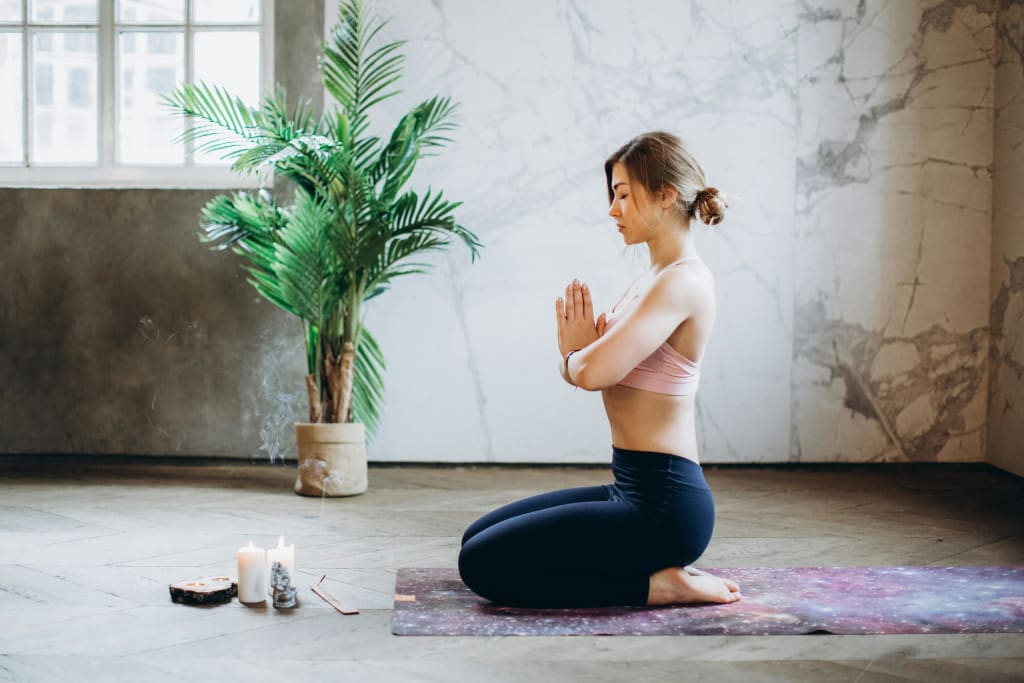
In today’s busy, fast-moving world, finding stillness can feel like a luxury—if not an outright impossibility. But more and more people are discovering that a few minutes of quiet each day can lead to extraordinary shifts in mindset, health, and well-being. The secret? Meditation.
Meditation is not just a spiritual trend or something reserved for monks in the mountains. It’s a practical tool for modern living, accessible to anyone regardless of their background or beliefs. With consistent practice, it can help you navigate life’s ups and downs with more clarity, peace, and resilience.
In this post, we’ll explore what meditation really is, how it benefits your mind and body, and how to get started even if you’ve never tried it before. Whether you’re a beginner or someone returning to the practice, this guide will help you reconnect with yourself and create space for more inner peace.
What Is Meditation?
At its core, meditation is the practice of training your attention. It involves intentionally focusing your mind on a single point of awareness—such as your breath, a sound, a visualization, or even bodily sensations. When your mind wanders (which it naturally will), you gently guide it back to the present moment.
There are many forms of meditation: mindfulness meditation, loving-kindness (Metta), body scan, transcendental meditation, and guided imagery, just to name a few. Despite the variety, they all share a common purpose: to help you become more aware, more present, and more connected to yourself.
And contrary to popular belief, meditation isn’t about “emptying the mind” or achieving total silence. It’s about observing your thoughts and emotions without judgment and learning to respond rather than react.
The Proven Benefits of Meditation
Scientific research has consistently demonstrated the benefits of regular meditation. It affects the brain, the body, and our overall sense of well-being in powerful ways.
1. Stress and Anxiety Reduction
One of the most common reasons people turn to meditation is to relieve stress. When you meditate, your body’s production of cortisol—the stress hormone—decreases. Studies have shown that even short-term meditation can significantly lower symptoms of anxiety and chronic stress, improving your quality of life and emotional resilience.
2. Improved Sleep Quality
If your mind races at night, meditation can help you calm down and fall asleep more easily. Techniques like guided sleep meditations or body scan practices teach your nervous system how to shift into a restful state. People who meditate often report falling asleep faster and waking up feeling more refreshed.
3. Better Emotional Health
Regular meditation can lead to long-lasting improvements in mood. It helps reduce negative thinking, enhances self-awareness, and increases compassion—both toward yourself and others. Some forms of meditation, like loving-kindness, have been shown to increase empathy and emotional intelligence.
4. Physical Health Benefits
The benefits of meditation don’t stop at the mind. Physically, it can lower blood pressure, reduce inflammation, and even boost your immune system. Meditation also supports pain management by changing the way your brain processes pain signals. Many people with chronic conditions use meditation to complement their medical treatments.
5. Enhanced Focus and Clarity
In a world full of distractions, meditation helps sharpen your concentration. Studies show that just a few weeks of mindfulness training can improve cognitive performance, increase attention span, and support memory. By practicing awareness, you become more grounded and intentional in your daily actions.
How to Start Meditating (Even If You're Busy)
You don’t need a meditation cushion, candles, or an hour of free time to begin. All you need is a few minutes and the willingness to be present. Here’s a simple way to get started:
- Find a quiet space. Sit comfortably, either on a chair or cushion. You can also lie down if that’s more comfortable.
- Close your eyes. Take a few deep breaths to settle in.
- Focus on your breath. Feel the inhale and exhale. Don’t try to control it—just notice.
- When your mind wanders, bring it back. Gently return your attention to your breath.
- Start with 5–10 minutes. Gradually increase as it becomes part of your routine.
You can also use music, mantras, or even objects (like a candle flame or essential oil aroma) to anchor your attention. There’s no “wrong” way to meditate—the best practice is the one that feels good and works for you.
Why Guided Meditation Works Wonders
If you're new to meditation, guided meditations can make the process feel a lot easier. With a calming voice leading you through a specific visualization or theme, it becomes easier to stay present and avoid getting lost in thought.
Guided meditations are especially useful when focusing on a specific intention—such as stress relief, deep sleep, manifestation, chakra healing, or emotional healing.
Many mindfulness coaches and therapists use Guided Meditation Scripts during their sessions or workshops. If you're a professional looking to help your clients relax, heal, or reconnect, these pre-written scripts can save time and deliver powerful results.
Prefer to meditate with your phone? Guided Meditation Apps offers over guided meditations designed for deep transformation—covering topics like abundance, healing, confidence, love, energy clearing, and more.
Incorporating Meditation Into Your Daily Life
Meditation doesn’t have to be a separate activity you do only in a quiet room. You can bring mindful awareness into everyday tasks:
- Pay full attention while drinking your morning tea or coffee.
- Take three deep breaths before answering a call or email.
- Do a 1-minute breathing practice before meetings.
- Practice mindful walking in nature or on your lunch break.
The point isn’t to be perfect—it’s to come back to yourself again and again. The more you do it, the easier it becomes.
About the Creator
Enjoyed the story? Support the Creator.
Subscribe for free to receive all their stories in your feed.
Comments
There are no comments for this story
Be the first to respond and start the conversation.