
The Physics of Childhood
Why Falling Down is Literally Part of Growing Up

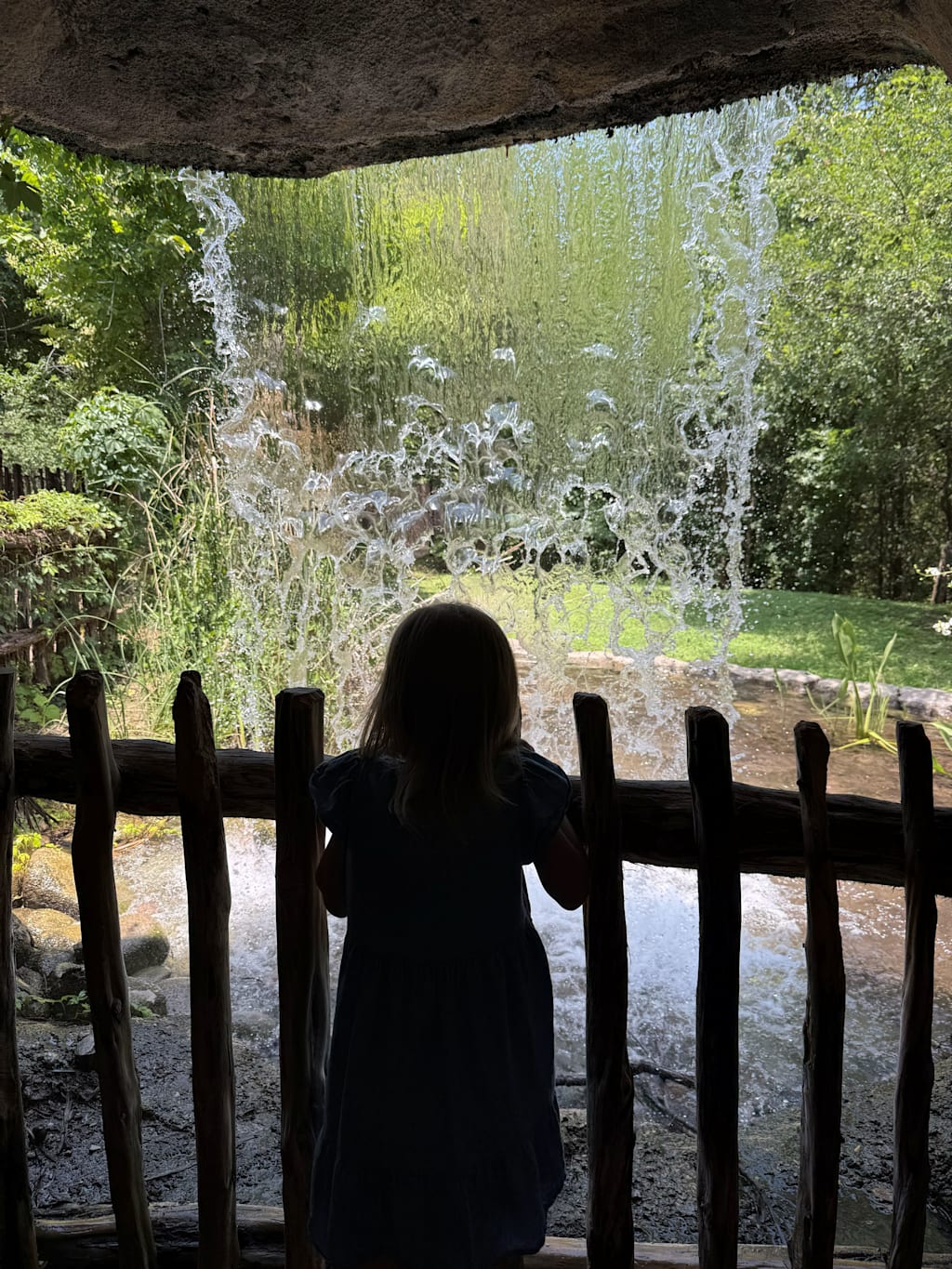
The journey of growing up through childhood is a story of ups and downs. In Henry Petroski’s book To Engineer Is Human: The Role of Failure in Successful Design, he writes a section titled: Falling Down Is Part of Growing Up. This text explores the relationship between the structural integrity of buildings, bridges, and other structures and the adolescence of a child. Petroski lays out the idea that through growing up, children are exposed to the fundamentals of engineering, and they become familiar with failure.
The text starts by explaining how life is filled with “trust and risk” (Petroski 188). From the moment a child is born, there is the possibility of falling down or being dropped, however, it rarely happens. This is because there is trust put into the hands of the doctors and nurses. Petroski makes the point that almost all childhood nursery rhymes are in the area of dealing with falling or collapse. For this instance, he uses “Rock-A-Bye Baby,” which describes a child in a tree that falls down when the wind blows the child’s cradle over. Once the child reaches home, he is introduced to friends and family. The arms that pass the child from person to person represent a bridge. Not a strong and sturdy bridge, but rather a make-shift bridge. The arm bridges are represented in “London Bridge is Falling Down.” When passing the child around, one must pay close attention and give proper care to that child. The same can be said when building literal bridges.
As the child goes from newborn to toddler, he begins to learn and explore more. The nursery rhymes have already introduced him to the act of falling down. He will begin to crawl, falling at first, but increasing this skill each and every time he does it. Then the crawl will speed up. Eventually, the child will begin to walk and fall. Each day he will get better at it, but he will still fall down. Growing up, we are taught it’s okay to fail, so long as we get back up and try again. This idea is first introduced to children from the nursery rhyme, “Ring Around the Rosie” with the line “We all fall down.” One day, the child will cease falling down and be able to walk on his own. Petroski explains this concept perfectly when he says: “…but it is not so much that we have learned how to walk as we have learned not to fall” (Petroski 189). But one must remember, prior to the child being able to do this, he had to fall down multiple times.
Part of falling down is destruction. As children grow older they will start to learn about things breaking. They first witness this in the change of seasons. As the air gets colder, the sky gets darker and the plants appear to die. When they are inside playing, they will learn that toys and furniture break. This introduces the aspect of trust. A child will sit in a chair and have trust in that it will not break, but if he misuses the chair, it will not hold the child up. They will jump on a bed that was built for sleeping and eventually the frame’s structural integrity will fail. Children learn that not all engineering products are invincible and many will break or fall down. They will learn that just because you are confident in your structure does not mean it will hold. The story of the three little pigs gives a great lesson in this. Although the first two pigs thought their house could withstand the strength of the wolf, only the third pig, who built a brick house, kept his home. This teaches that sometimes you need to overcompensate in your engineering. Had the designer of the bed made it so it can withhold children jumping, then maybe it would have held.
Growing up is a time of curiosity and learning. Through the power of experience and nursery rhymes, children are introduced to engineering and the failure that comes with it. Children will learn that even natural engineering will fail now and then. The structure of the human body will break. A child could break a bone playing, and at that moment, he learns that falling down is part of growing up.
Citation:
Petrsoki, Henry. “Falling Down Is Part of Growing Up.” The Norton Reader: An Anthology of Nonfiction, edited by Melissa A. Goldthwaite et al., 14th ed., W. W. Norton, 2017, pp. 187-93.
About the Creator
Sam Shroyer
I am an active-duty Engineer Officer in the US Army with a BS in Environmental Engineering from West Point. My previous positions include the following:
- Assistant Training Officer
- Sapper Platoon Leader
- Company Executive Officer
Enjoyed the story? Support the Creator.
Subscribe for free to receive all their stories in your feed.
Comments
There are no comments for this story
Be the first to respond and start the conversation.