
The Moon
This article aims to provide a comprehensive exploration of the Moon, covering its formation, physical characteristics, cultural significance, exploration history, and future prospects. Whether you're a casual reader or an aspiring astronomer, this guide will deepen your understanding of our celestial neighbor.
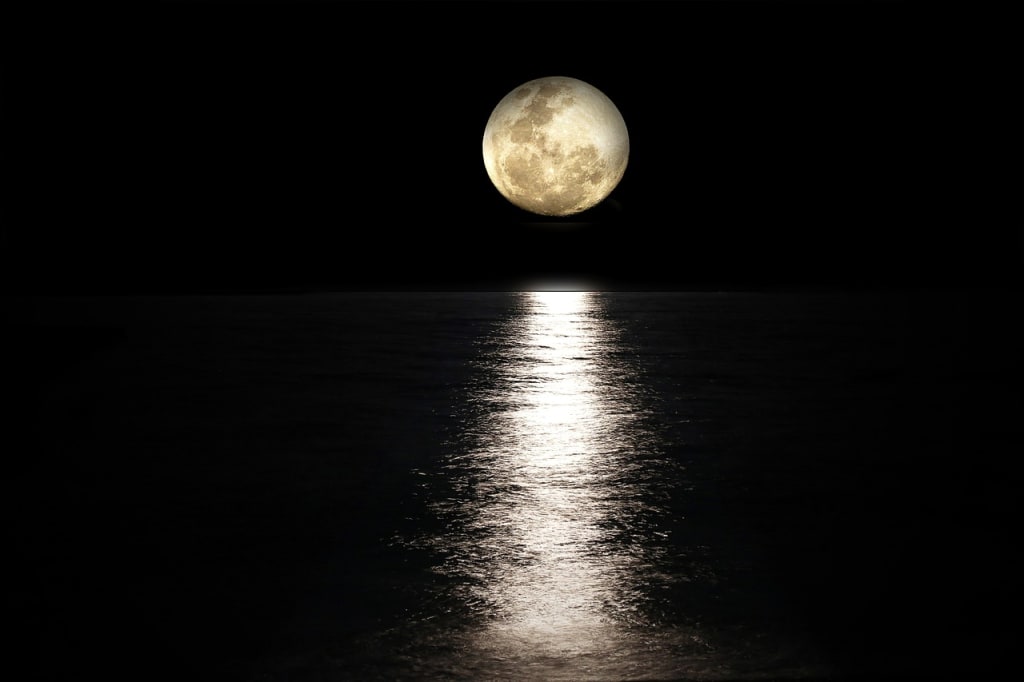
Table of Contents 1. **Introduction** - The Significance of the Moon - Overview of the Book 2. **Formation and Evolution** - Theories of Lunar Formation - Geological History - Surface Features 3. **Physical Characteristics** - Size and Distance from Earth - Surface Composition - Atmosphere and Environment 4. **Lunar Phases and Eclipses** - Understanding Lunar Phases - The Science of Eclipses - Cultural Impact of Phases and Eclipses 5. **Exploration of the Moon** - Early Observations - The Space Race and Apollo Missions - Recent Robotic Missions - Future Exploration Plans 6. **The Moon in Culture and Mythology** - The Moon in Ancient Civilizations - Folklore and Myths - Artistic Representations 7. **Scientific Importance of the Moon** - Lunar Research Contributions - The Moon as a Platform for Space Exploration - Understanding Earth’s History through the Moon 8. **The Future of Lunar Exploration** - Upcoming Missions and Goals - The Artemis Program and Beyond - Potential for Human Colonization 9. **Conclusion** - Recap of Key Points - The Moon’s Enduring Legacy --- ## Chapter 1: Introduction: The Significance of the Moon The Moon has captivated human imagination since time immemorial. It governs the tides, influences various biological rhythms, and serves as a beacon in the night sky. As Earth's only natural satellite, it has been a source of inspiration for poets, scientists, and dreamers alike. --- Chapter 2: Formation and Evolution: Theories of Lunar Formation The leading theory regarding the Moon's formation is the Giant Impact Hypothesis, which suggests that a Mars-sized body collided with the early Earth around 4.5 billion years ago. This catastrophic event ejected debris into orbit around Earth, which eventually coalesced to form the Moon. Geological History The lunar surface is marked by its geological history, which includes periods of intense volcanic activity followed by long periods of relative quiet. Understanding this history helps scientists piece together not only the Moon's evolution but also that of Earth. Surface Features The Moon's surface is characterized by several distinct features: - **Maria**: Dark basaltic plains formed by ancient volcanic eruptions. - **Highlands**: Lighter regions that are heavily cratered and older than maria. - **Craters**: Impact scars from collisions with meteoroids and asteroids. --- Chapter 3: Physical Characteristics: Size and Distance from Earth The Moon has a diameter of about 3,474 kilometers (2,159 miles) and is located approximately 384,400 kilometers (238,855 miles) from Earth on average. This distance can vary due to its elliptical orbit. Surface Composition The lunar surface is primarily composed of silicate minerals such as plagioclase, pyroxene, and olivine. These materials provide insight into the Moon's volcanic past and its geological processes. Atmosphere and Environment The Moon has an extremely thin atmosphere, known as an exosphere, composed mainly of hydrogen, helium, neon, and trace amounts of other gases. This lack of atmosphere means there is no weather or sound on the Moon, making it a unique environment for exploration. --- Chapter 4: Lunar Phases and Eclipses: Understanding Lunar Phases The phases of the Moon—new moon, waxing crescent, first quarter, waxing gibbous, full moon, waning gibbous, last quarter, and waning crescent—are caused by its position relative to Earth and the Sun. Each phase has cultural significance across various societies. The Science of Eclipses A lunar eclipse occurs when Earth passes between the Sun and the Moon, casting a shadow on the lunar surface. There are three types: total, partial, and penumbral eclipses. Each offers a unique spectacle for observers on Earth. Cultural Impact of Phases and Eclipses Lunar cycles have influenced calendars in many cultures. Festivals often align with full moons or specific phases that hold particular significance in various traditions. --- Chapter 5: Exploration of the Moon: Early Observations Before space travel was possible, astronomers like Galileo Galilei made significant observations using telescopes in the early 17th century. Their studies laid the groundwork for future lunar exploration. The Space Race and Apollo Missions The Apollo program (1961-1972) marked humanity's first steps on the lunar surface. Apollo 11's historic landing in July 1969 allowed astronauts Neil Armstrong and Buzz Aldrin to walk on the Moon while Michael Collins orbited above. Recent Robotic Missions In recent years, several countries have launched robotic missions to explore the Moon further. Notable missions include China’s Chang'e program and India's Chandrayaan missions, which have provided valuable data about lunar geology. Future Exploration Plans Looking ahead, NASA's Artemis program aims to return humans to the Moon by 2025 with plans for sustainable exploration by 2028. Other nations are also planning missions that could pave the way for future human habitation. --- Chapter 6: The Moon in Culture and Mythology: The Moon in Ancient Civilizations Throughout history, various civilizations revered the Moon as a deity or symbol. Ancient Egyptians associated it with Thoth, while Greeks linked it to Artemis or Selene. Folklore and Myths Numerous myths surround lunar phenomena; for instance, many cultures have stories about "moon rabbits," believed to be visible in the lunar surface's markings. Artistic Representations The Moon has inspired countless works of art across different mediums—from paintings to literature—reflecting humanity’s fascination with its beauty and mystery. --- Chapter 7: Scientific Importance of the Moon: Lunar Research Contributions Research conducted on lunar samples returned by Apollo missions has greatly enhanced our understanding of planetary formation processes within our solar system. The Moon as a Platform for Space Exploration The Moon serves as an ideal testing ground for technologies needed for future Mars missions due to its proximity to Earth. Understanding Earth’s History through the Moon Studying lunar geology provides insights into Earth's early history since both bodies share similar materials but have evolved differently due to their environments. --- Chapter 8: The Future of Lunar Exploration : Upcoming Missions and Goals Various space agencies have ambitious plans for lunar exploration in this decade. These include crewed missions aimed at establishing a sustainable human presence on the lunar surface. The Artemis Program and Beyond NASA’s Artemis program seeks not just to land astronauts on the Moon but also to establish a long-term presence through infrastructure development like habitats and research stations. Potential for Human Colonization Discussions around colonizing the Moon involve addressing challenges such as resource utilization (like water ice), radiation protection, and sustainable living conditions for future inhabitants. --- Chapter 9: Conclusion : Recap of Key Points From its formation billions of years ago to its role in modern science fiction narratives today, the Moon continues to be a source of intrigue. The Moon’s Enduring Legacy As we stand on the brink of renewed exploration efforts aimed at understanding our closest celestial neighbor better than ever before, one thing remains clear: The legacy of our relationship with the Moon is far from over.
About the Creator
Enjoyed the story? Support the Creator.
Subscribe for free to receive all their stories in your feed.
Comments
There are no comments for this story
Be the first to respond and start the conversation.