
The Largest and Smallest Animals in the World
The animal kingdom is filled with incredible diversity, showcasing creatures of all shapes and sizes. Among these animals, some are astonishingly large, while others are remarkably tiny. In this article, we will explore both the largest and smallest animals on our planet, highlighting their unique characteristics and roles in their ecosystems.

The Largest Animals
1. **Blue Whale**
The blue whale is not just the largest animal today; it is the largest animal ever to have existed on Earth. Imagine a creature that can reach lengths of about 100 feet (30 meters) and weigh as much as 200 tons! Despite their enormous size, blue whales primarily feast on tiny shrimp-like animals called krill. In fact, an adult blue whale can eat up to 4 tons of krill in a single day during feeding season. These gentle giants can be found in oceans worldwide, migrating long distances to find food and breed.
2. **African Elephant**
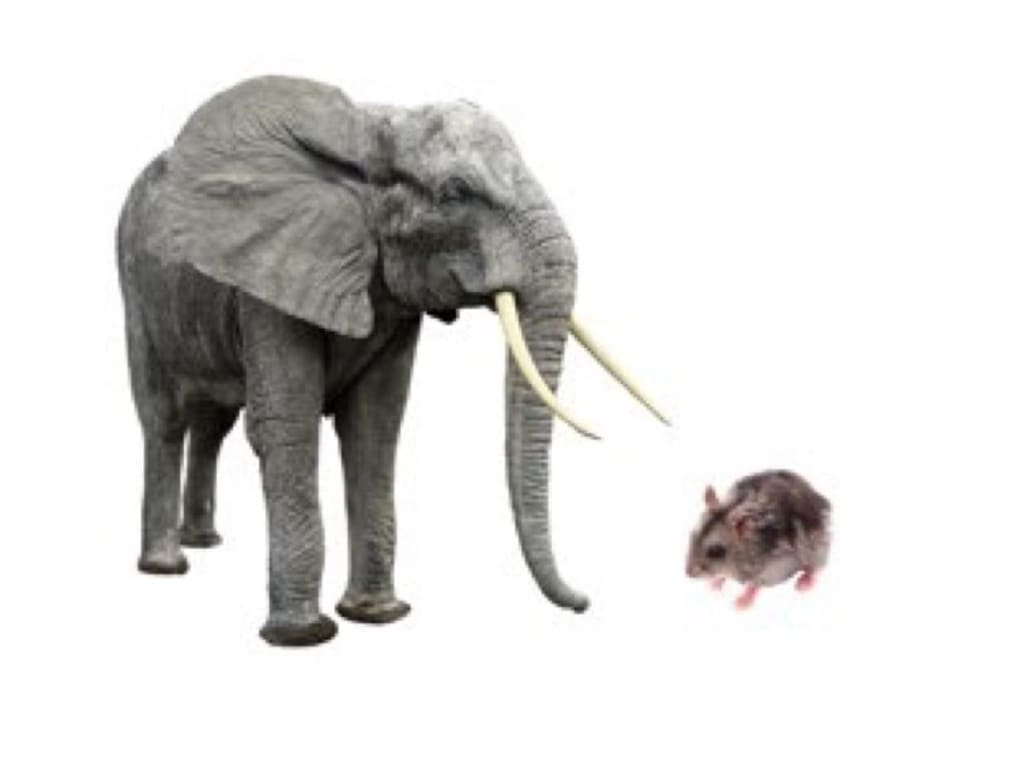
The African elephant holds the title for the largest land animal. Males can weigh anywhere from 10,000 to 14,000 pounds (4,500 to 6,350 kilograms) and stand about 13 feet (4 meters) tall at the shoulder. African elephants are easily recognized by their large ears, which help them stay cool in hot weather, and their long trunks, which they use for everything from eating to drinking to socializing. These majestic creatures play a vital role in their habitats, helping to shape the landscape and maintain the balance of their ecosystem.
3. **Giraffe**
Giraffes are the tallest land animals, with adult males reaching heights of up to 18 feet (5.5 meters). Their long necks and legs allow them to eat leaves from tall trees, primarily acacia trees. Giraffes are social animals and often live in groups called towers. Their unique coat patterns help them blend into the dappled light of the savanna, providing camouflage from predators.
4. **Saltwater Crocodile**
The saltwater crocodile is the largest living reptile, capable of growing over 23 feet (7 meters) long and weighing more than 2,200 pounds (1,000 kilograms). These powerful predators can be found in coastal regions and rivers across Southeast Asia and Australia. Saltwater crocodiles are known for their strength and stealth, making them effective hunters in their environments.
The Smallest Animals
1. **Bumblebee Bat**
On the other end of the size spectrum, we find the bumblebee bat, also known as Kitti's hog-nosed bat. This tiny mammal is the smallest in the world by weight, weighing about 2 grams and having a wingspan of only 5.7 inches (14.5 centimeters). Native to Thailand and Myanmar, these bats feed primarily on insects and roost in small caves. Despite their diminutive size, they play an important role in controlling insect populations.
2. **Pygmy Marmoset**
The pygmy marmoset is the smallest monkey in the world, measuring just about 5.1 to 6.4 inches (13 to 16 centimeters) long, excluding its tail. Found in the rainforests of the Amazon Basin, these tiny primates live in family groups and primarily eat insects, fruit, and tree sap. Their small size allows them to navigate through dense foliage easily.
3. **Etruscan Shrew**
Often considered the smallest mammal by mass, the Etruscan shrew weighs around 1.8 grams. It measures about 3.5 to 5.3 inches (9 to 13 centimeters) long, including its tail. Found in parts of Europe, Africa, and Asia, this tiny creature has a very high metabolism, needing to eat its body weight in food daily. Etruscan shrews primarily feed on insects and other small invertebrates.
4. **Southern Blue-ringed Octopus**
The southern blue-ringed octopus is one of the smallest and most venomous marine animals. It typically measures about 4 to 5 inches (10 to 12 centimeters) in length. Despite its small size, its bite can deliver a powerful neurotoxin that can paralyze humans. These octopuses are found in shallow waters of the Pacific and Indian Oceans and are famous for their bright blue rings that become vibrant when they feel threatened.
Conclusion
The incredible variety of sizes and adaptations in the animal kingdom is a testament to nature’s creativity. From the colossal blue whale swimming gracefully in the ocean to the tiny bumblebee bat flitting among the trees, each animal has a unique role in its ecosystem. The largest animals help shape their environments and maintain ecological balance, while the smallest creatures contribute to their ecosystems in significant ways, such as controlling insect populations and dispersing seeds.
By appreciating both the largest and smallest animals on our planet, we can foster a deeper understanding of the natural world and the importance of conserving it. Protecting these animals and their habitats ensures that future generations can continue to marvel at the wonders of nature, from the majestic blue whale to the minuscule pygmy marmoset. Through conservation efforts and education, we can help safeguard the incredible diversity of life that our planet has to offer.
About the Creator
Enjoyed the story? Support the Creator.
Subscribe for free to receive all their stories in your feed.
Comments
There are no comments for this story
Be the first to respond and start the conversation.