
The Intersection of Sound: Famous Instruments and Perfect Audio Quality
This article is about The Intersection of Sound: Famous Instruments and Perfect Audio Quality
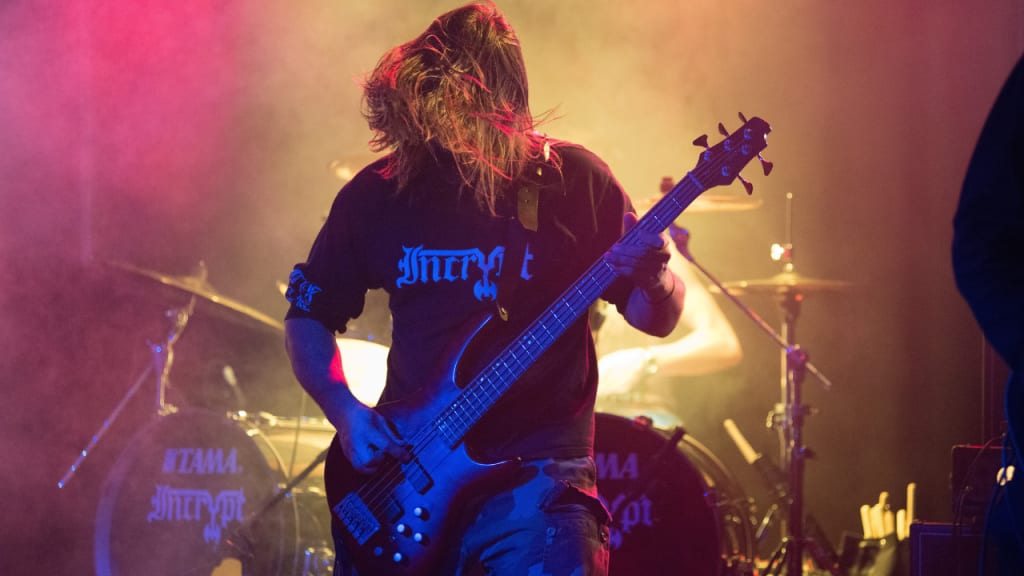
Throughout music history, instruments have played a pivotal role in defining an artist's legacy. From the delicate strings of a violin to the bold sound of an electric guitar, the connection between famous musicians and their instruments tells a fascinating story of creativity, skill, and innovation. But no matter how masterful the performance or iconic the instrument, the experience of music would be incomplete without capturing it in its full sonic glory. This is where the concept of best audio quality kbps comes into play, ensuring that every nuance of the performance is preserved for listeners to enjoy.
Instruments that Shaped Music History
Take Jimi Hendrix, for example. His Fender Stratocaster wasn’t just a guitar; it was an extension of his soul. Hendrix’s ability to coax ethereal tones and electrifying riffs from this instrument redefined rock music forever. Similarly, Yo-Yo Ma’s cello, a 1712 Davidoff Stradivarius, is more than a tool—it’s a masterpiece in its own right. These instruments are inseparable from the music they created, but what makes their recordings timeless is the ability to experience them in pristine quality.
When these legendary artists played their iconic instruments, their music was often recorded on analog equipment. Today, advancements in digital technology mean we can enjoy those sounds at incredible clarity. The best audio quality kbps, typically 320 kbps for MP3 files or lossless formats like FLAC, ensures that the richness and texture of these instruments come alive for modern listeners.
Why Audio Quality Matters
Imagine listening to a recording of Beethoven’s piano compositions on low-quality audio. The subtleties of the piano’s tone and the artist’s dynamic expression might be lost in translation, reducing the emotional impact of the piece. This is why audio quality, measured in kilobits per second (kbps), plays such a critical role in delivering the true essence of the music.
For digital audio, higher kbps indicates more data is used to encode the sound, resulting in better quality. For example, a song encoded at 128 kbps might lose some details in the higher frequencies, making it sound “flat” or compressed. In contrast, a file encoded at 320 kbps captures more of the original recording’s detail, making it the best audio quality kbps for most music enthusiasts. This higher bitrate is especially important when listening to music created by famous musicians and their instruments, as it preserves the intricate details of their artistry.
Iconic Pairings: Musicians and Their Instruments
Eric Clapton’s "Blackie" Stratocaster, Louis Armstrong’s Selmer trumpet, and John Bonham’s Ludwig drum set are just a few examples of how instruments can define an artist’s style. These legendary tools were meticulously crafted and perfectly suited to their players, allowing them to create groundbreaking music that still resonates today.
The importance of capturing their performances in high fidelity cannot be overstated. For instance, Armstrong’s trumpet solos are full of subtle nuances—breath sounds, slight tonal variations, and dynamic shifts—that lose their magic in lower-quality recordings. By using the best audio quality kbps, listeners can appreciate the full depth and character of these performances as if they were sitting in the front row.
The Modern Listener's Experience
Thanks to streaming platforms and digital downloads, we have access to a vast library of music from famous musicians and their instruments. However, not all streaming services offer the same quality. Some prioritize lower kbps to save bandwidth, which can compromise the listening experience. Choosing platforms that provide higher kbps options, like 320 kbps or lossless audio, ensures you’re hearing the music as the artist intended.
For audiophiles, investing in high-quality audio equipment and lossless audio files enhances the experience even further. Pairing these tools with legendary recordings from artists like The Beatles, Miles Davis, or Itzhak Perlman ensures that the music remains as vibrant and moving as it was when first performed.
Bridging the Gap Between Past and Present
The connection between famous musicians and their instruments and the best audio quality kbps is a testament to the enduring power of music. Instruments may change over time, and technology continues to evolve, but the goal remains the same: to preserve and share the magic of music with the world. Whether it's through vinyl records, CDs, or digital streams, ensuring the highest audio quality is essential to honoring the artistry of musicians and their iconic instruments.
As we celebrate these legendary pairings, let us also embrace the tools that allow us to relive their performances in breathtaking clarity. After all, music isn’t just about hearing; it’s about feeling—and nothing captures that emotion better than a perfect blend of iconic instruments and top-tier audio quality.
About the Creator
Enjoyed the story? Support the Creator.
Subscribe for free to receive all their stories in your feed.
Comments
There are no comments for this story
Be the first to respond and start the conversation.