
The Internet's Influence on Brain Function: Unveiling the Cognitive Revolution
Life changing consequences from our www habits
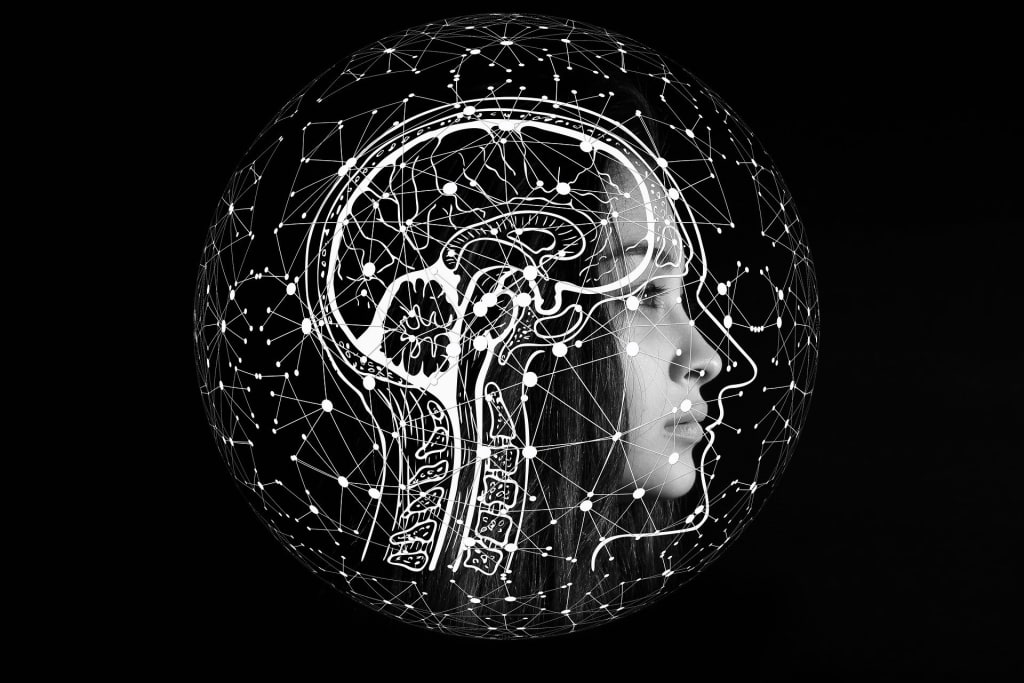
In today's digital era, the internet has become an inseparable part of our lives, revolutionizing communication, learning, and information access. As our online presence expands, researchers are increasingly studying the profound impact it has on our brain functions. This article explores the transformative effects the internet has on our neural circuitry, encompassing cognitive enhancements as well as potential drawbacks. By unraveling these changes, we can better comprehend the complex relationship between our brains and the digital world.
The Internet has redefined the way we process and retain information. With a wealth of knowledge just a few clicks away, our ability to search for and find answers has been significantly enhanced. This has fostered the development of valuable "digital literacy" skills, including information retrieval and evaluation. Research indicates that internet users often demonstrate improved cognitive abilities, excelling in tasks that require quick decision-making, multitasking, and problem-solving.
However, constant exposure to a deluge of information can also have adverse effects on our attention spans. Frequent task switching and the multitude of online distractions can diminish our capacity for sustained focus and deep thinking. Known as "digital brain drain," this phenomenon can hinder our ability to concentrate on complex tasks that necessitate prolonged attention.
The internet's impact on memory and learning is an ongoing area of scientific investigation. While digital devices and search engines serve as external memory aids, they can potentially hinder our ability to retain information internally. Overreliance on the internet as an external memory source may lead to reduced memorization skills and a diminished capacity for long-term recall.
Moreover, the vast expanse of information available on the internet can influence how we process and acquire knowledge. The ease of access to a multitude of opinions and perspectives can contribute to the development of "shallow thinking." Quick online searches and superficial content skimming can undermine critical thinking and analytical skills required for in-depth comprehension.
The internet's pervasive influence on our social and emotional well-being is a critical aspect to consider. Social media platforms, in particular, have transformed the way we connect and communicate with others. While they offer new avenues for social interaction, they can also lead to feelings of loneliness, anxiety, and depression. The carefully curated nature of online profiles and the constant exposure to unrealistic standards can contribute to negative self-comparisons and a diminished sense of self-worth.
Moreover, the internet's immediacy and constant stimulation can foster a desire for instant gratification. The pursuit of immediate rewards, such as likes and notifications, can lead to addictive behaviors and difficulties in delaying gratification. This can impact our ability to focus on long-term goals and engage in deep, meaningful interactions.
The internet's impact on our brains is undeniably significant, reshaping our cognitive abilities, memory processes, and social dynamics. While it brings numerous benefits, we must remain vigilant about its potential drawbacks, including reduced attention spans, reliance on external memory, and negative emotional repercussions. Understanding these changes allows us to navigate the digital landscape more consciously and effectively, harnessing the internet's potential while mitigating its potential pitfalls. By striking a balance, we can ensure our brains adapt and thrive in the digital age.
About the Creator
Armand
Reading and writing enthusiast. Love finding new things to learn about the world and life in general.
Enjoyed the story? Support the Creator.
Subscribe for free to receive all their stories in your feed.
Comments