
The Importance of Registering Music for Royalties
Music Royalties
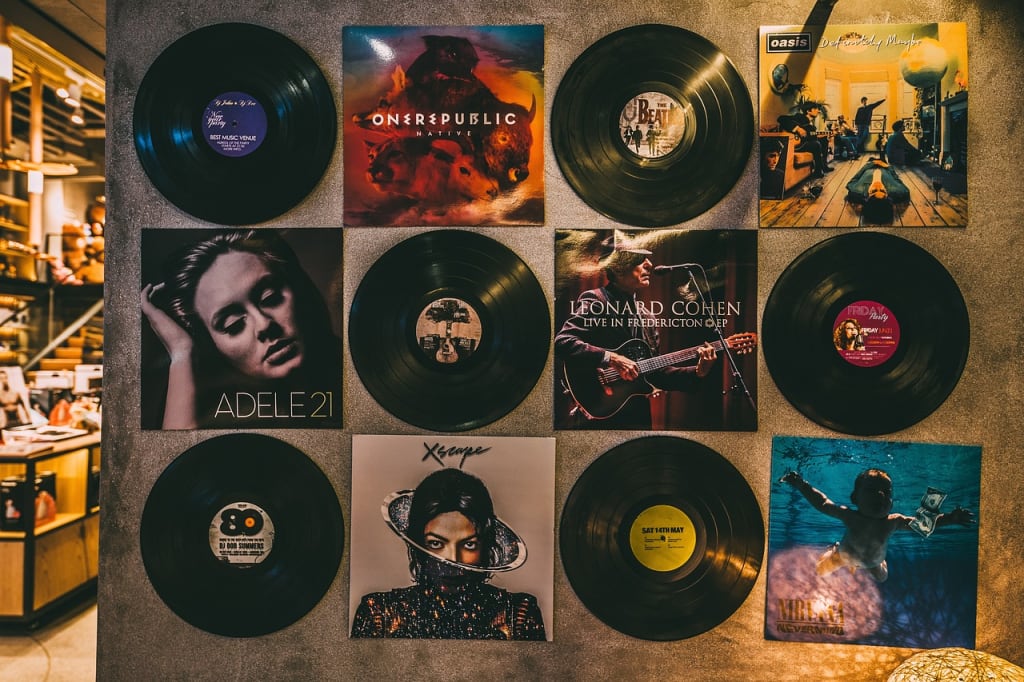
Understanding music royalties is essential for any artist, songwriter, or producer aiming to earn from their creative work. However, for those new to the industry, royalties can feel complicated and often intimidating. Royalties are the payments that artists receive when their music is used, streamed, performed, or sold, and they play a major role in the income of many music professionals. Yet, to benefit from these royalties, musicians must take a crucial first step: registering their work with the appropriate rights organizations and distributors. Proper registration ensures that artists can track their music usage across platforms and be paid fairly for their creations.
Step 1: Understanding the Basics of Music Registration
Registering your music is the only reliable way to ensure that your work is tracked and compensated accurately. Without it, you risk missing out on significant income, as platforms and organizations won’t have the information needed to credit you properly. When your songs are registered with performance rights organizations (PROs), digital distributors, and other collection agencies, these bodies can monitor where and when your music is used. This includes plays on streaming platforms, radio, live venues, and more.
Step 2: How to Register with Performance Rights Organizations (PROs)
PROs, or Performance Rights Organizations, are essential for collecting performance royalties. In the U.S., ASCAP, BMI, and SESAC are the primary PROs, while other countries have their own respective organizations, such as SOCAN in Canada and PRS for Music in the UK. Here’s a general guide to registering with a PRO:
Choose the Right PRO for Your Needs: Research which PRO best aligns with your needs, as each has its own fee structures, support systems, and international partnerships.
Sign Up and Register Each Song: Once you join a PRO, you’ll need to register each song separately to ensure it’s covered. Be prepared to provide details like song title, songwriter information, and any publishing rights.
Set Up Direct Deposit: Many PROs now allow direct deposit, so be sure to set this up to receive your royalty payments efficiently.
Step 3: Registering with Mechanical Rights Organizations (MROs)
Mechanical royalties come into play whenever your song is physically or digitally reproduced, such as through streaming or downloads. In the U.S., organizations like the Harry Fox Agency (HFA) and Music Reports handle mechanical royalties, while other countries have their own MROs. Here’s a step-by-step overview of the registration process with an MRO:
Join the MRO Relevant to Your Country or Region: Check which MRO manages mechanical royalties for your territory.
Submit Your Song Metadata: You will need to provide accurate metadata, including ISRCs (International Standard Recording Codes), album details, and songwriter information.
Stay Updated on Digital Releases: Register each new release to capture mechanical royalties from downloads and streams. Registering older works can help you capture royalties you may have missed out on.
Step 4: Working with Digital Distributors for Streaming Royalties
Digital distributors like TuneCore, DistroKid, and CD Baby act as the bridge between artists and digital platforms like Spotify, Apple Music, and YouTube. Registering with a distributor is essential for collecting streaming royalties, a significant source of income for artists in the digital age.
Select a Distributor: Each distributor has unique pricing and service offerings, so consider your needs and budget before choosing.
Upload Your Songs with Complete Metadata: For accurate royalty tracking, be sure to enter all song details, including ISRCs, songwriter credits, and release dates.
Check the Reporting Dashboard Regularly: Most distributors offer reporting tools to track plays, revenue, and geographic data. Regularly monitoring this data can help you understand your reach and identify areas to focus on.
Step 5: International Registration for Global Royalties
If your music is streamed or performed internationally, it’s crucial to register with international rights organizations or ensure your PRO has reciprocal agreements in other countries. Many PROs work together globally to ensure artists are paid across borders, but checking your music’s international registration can help maximize your royalties.
Confirm Your PRO’s International Coverage: Some PROs automatically collect international royalties, while others require additional registration.
Consider Joining International Databases: Joining organizations like CISAC (International Confederation of Societies of Authors and Composers) can expand your reach and ensure you don’t miss out on foreign royalties.
Regularly Review Your Royalties from Abroad: Since exchange rates and international royalties can vary, staying informed helps you gauge if your music is achieving its full potential.
Common Mistakes to Avoid When Registering Music for Royalties
Despite the importance of understanding music royalties, many artists make common mistakes that can delay or reduce their earnings. Here are some errors to avoid:
Not Registering Each Song Separately: Each track needs individual registration for PROs and MROs to identify and distribute royalties accurately.
Ignoring Global Rights: Don’t overlook the opportunity to collect international royalties, even if you’re only starting locally.
Missing Metadata: Without accurate metadata (like ISRCs and songwriter information), your music may not be trackable, leading to lost royalties.
Conclusion
Understanding music royalties can be complex, but ensuring your songs are registered with all relevant organizations is key to receiving fair compensation for your work. By following a thorough registration process, artists can collect royalties from multiple sources, including streaming, mechanical, performance, and international platforms. Registration ensures that every play, download, or performance of your song is accounted for, helping you maximize your earnings and sustain a career in music.
Taking the time to understand and register your music accurately is an investment that pays off, not only in royalties but in empowering you to control your rights and earnings. Whether you’re new to the industry or looking to improve your current royalty collection, make sure your work is properly registered, so you never miss an opportunity to be compensated for your creativity.
About the Creator
Enjoyed the story? Support the Creator.
Subscribe for free to receive all their stories in your feed.
Comments
There are no comments for this story
Be the first to respond and start the conversation.