
The Importance of Radiology Information Systems in Modern Healthcare
Radiology Information Systems
Introduction
In the ever-evolving landscape of healthcare, technology plays a pivotal role in enhancing the quality, efficiency, and accuracy of medical services. One of the most transformative technologies in the medical imaging sector is the Radiology Information System (RIS). A RIS is a specialized software system designed to manage radiology data and workflows. It integrates with other hospital systems to streamline processes, improve patient care, and enhance diagnostic accuracy. This article explores the significance, functionality, and benefits of RIS in modern healthcare, shedding light on how it contributes to the overall efficiency of medical services.
What is a Radiology Information System?
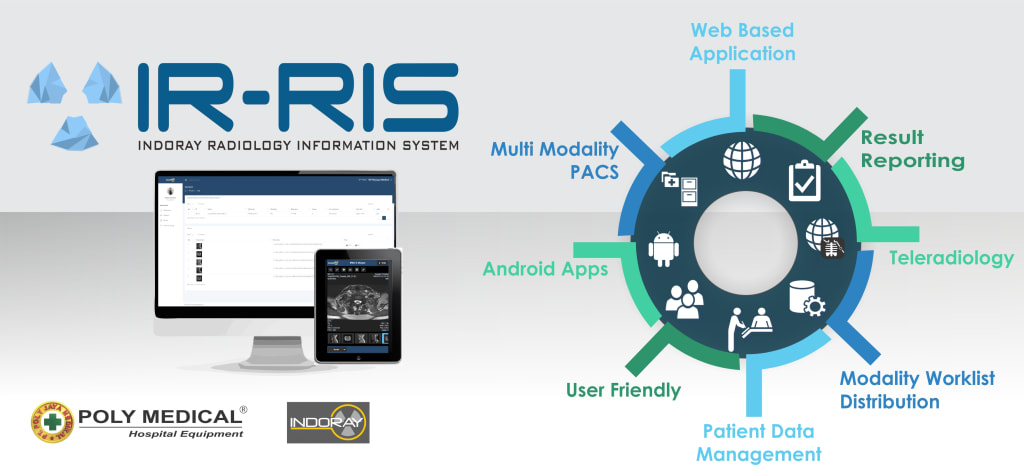
A Radiology Information System is a comprehensive, digital solution used by radiology departments to store, manage, and manipulate patient data and imaging records. It helps in scheduling patient appointments, tracking radiological procedures, storing diagnostic images, and generating reports for healthcare providers. RIS is often integrated with other healthcare systems, such as the Hospital Information System (HIS) and Picture Archiving and Communication System (PACS), enabling seamless data exchange and more efficient workflows.
RIS not only helps radiologists but also facilitates the work of technologists and administrative staff by improving patient data management, workflow organization, and overall operational efficiency. The integration of RIS with PACS allows for the electronic storage and retrieval of images, while its connection to HIS ensures that patient data is shared across departments, leading to better-coordinated care.
Key Features and Functions of RIS
Patient Management
RIS enables efficient patient scheduling and tracking. From the time a patient is referred for imaging to the delivery of diagnostic results, every step of the process is managed digitally. It keeps detailed records of patient visits, histories, and imaging procedures, ensuring easy access to information for healthcare providers.
Workflow Management
One of the primary functions of RIS is optimizing workflow within the radiology department. By automating processes such as appointment scheduling, imaging orders, and report generation, RIS reduces bottlenecks and minimizes delays in patient care. This efficiency leads to shorter waiting times and faster diagnoses.
Image and Data Storage
RIS provides a centralized platform for storing both images and associated patient data. When integrated with PACS, it enables radiologists to store, access, and retrieve high-resolution diagnostic images quickly. This capability is critical in supporting accurate diagnoses and long-term patient monitoring.
Reporting and Communication
A RIS allows radiologists to generate comprehensive diagnostic reports and share them with other healthcare providers in real-time. This feature facilitates faster communication between departments, ensuring that patients receive timely care. It also allows for electronic reporting, reducing the need for physical documents and minimizing errors.
Billing and Administrative Functions
RIS simplifies administrative tasks such as billing and coding for procedures. It helps ensure accurate documentation, which is crucial for insurance claims and patient billing. Additionally, RIS supports compliance with healthcare regulations by tracking procedural codes and ensuring accurate records.
Benefits of Implementing a Radiology Information System
1. Improved Efficiency
One of the most significant advantages of a RIS is its ability to streamline operations. By automating scheduling, data management, and reporting, RIS reduces the administrative burden on staff. This allows radiologists and healthcare providers to focus on patient care rather than manual data entry and paperwork. Furthermore, the system improves turnaround times for radiology reports, ensuring that healthcare providers can make quicker, informed decisions about patient treatment.
2. Enhanced Diagnostic Accuracy
RIS, when integrated with PACS, provides immediate access to high-quality diagnostic images. Radiologists can view and manipulate these images to make precise diagnoses. The system also allows for the comparison of current and previous imaging studies, which is crucial for monitoring the progression of certain conditions. This easy access to detailed information enhances the overall quality of care provided to patients.
3. Better Data Management and Accessibility
With RIS, patient records, images, and diagnostic reports are stored in a centralized, digital repository. This makes accessing, updating, and sharing patient data quick and seamless. The system also reduces the likelihood of errors, such as misplaced records or incorrect data entries, ensuring that patient information is accurate and up-to-date.
4. Enhanced Communication and Collaboration
RIS facilitates better communication between radiologists and other healthcare providers. The system allows radiologists to share diagnostic images and reports in real-time, reducing the need for in-person consultations. This improved collaboration leads to faster decision-making and more coordinated care across different departments.
5. Cost Savings
The automation of administrative tasks, such as billing, coding, and reporting, reduces operational costs for healthcare facilities. By minimizing the need for manual data entry and physical storage of records, RIS helps lower overhead costs. Additionally, faster diagnostic workflows mean that more patients can be treated in a shorter amount of time, increasing the overall efficiency of the radiology department.
6. Regulatory Compliance and Security
RIS helps healthcare facilities comply with various regulations regarding patient data management and medical recordkeeping. It provides an audit trail for all actions taken within the system, ensuring transparency and accountability. Additionally, RIS includes security features such as role-based access control, which ensures that only authorized personnel can access sensitive patient data.
Challenges and Considerations in Implementing RIS
While the benefits of RIS are numerous, implementing the system comes with challenges. The cost of setting up and maintaining a RIS can be high, especially for smaller healthcare facilities. Additionally, integrating RIS with existing systems, such as HIS and PACS, can be complex and time-consuming. Staff training is another critical consideration, as healthcare professionals need to be proficient in using the system to maximize its benefits.
Despite these challenges, the long-term advantages of RIS far outweigh the initial hurdles. With proper planning and execution, a RIS can transform the operations of a radiology department and improve patient outcomes.
Conclusion
A Radiology Information System is an essential tool for modern healthcare, offering a wide range of benefits, from improved efficiency and diagnostic accuracy to enhanced communication and cost savings. By streamlining workflows and providing easy access to patient data and images, RIS helps radiologists and healthcare providers deliver better care in less time. While the implementation process may pose some challenges, the long-term impact of a well-integrated RIS is undeniable. As healthcare continues to evolve, the role of RIS in facilitating high-quality, efficient care will only become more significant.
About the Creator
Enjoyed the story? Support the Creator.
Subscribe for free to receive all their stories in your feed.
Comments