
The Importance of Post-Treatment Care in Fibroblast
A Key Factor for Lasting Results
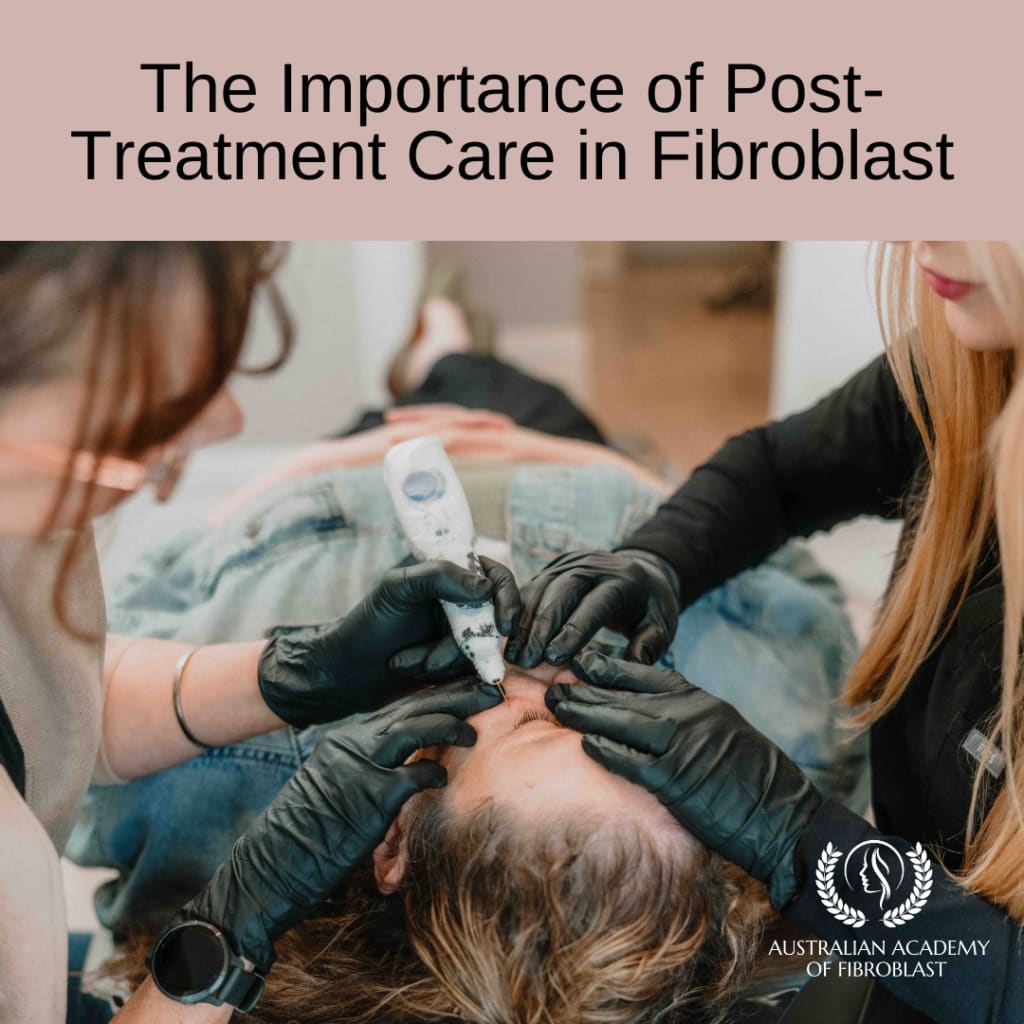
Fibroblast treatments have exploded in popularity over the past few years, with people eager to tighten and rejuvenate their skin without going under the knife. But while the treatment itself is crucial to achieving beautiful results, the real secret to long-lasting effects lies in post-treatment care.
Too often, clients focus solely on the procedure, neglecting to understand the critical role that proper aftercare plays in maximizing the benefits of their treatment. In this article, we’ll walk through why post-treatment care matters, common mistakes to avoid, and how you, as a practitioner, can guide clients through this essential phase.
Why Post-Treatment Care is Non-Negotiable
When a Fibroblast treatment is performed, the process triggers the skin’s natural healing response, which includes tightening and collagen production. But for these changes to set properly, skin needs time to heal and regenerate. This can take anywhere from a few days to several weeks, depending on the area treated and individual healing responses.
Neglecting proper aftercare can result in compromised healing, poor results, or even complications like infection or scarring. Proper post-treatment care is not just about applying creams or ointments; it involves a holistic approach that includes rest, nutrition, skin protection, and maintenance.
Common Aftercare Mistakes and How to Avoid Them
Many clients make the mistake of thinking that aftercare is a one-time thing. In reality, it spans across the entire healing period, and even small missteps can affect the outcome of their treatment.
Here are some of the most common mistakes clients make—and how they can be avoided:
1. Ignoring Sun Protection
Aftercare instructions often emphasize avoiding sun exposure. This is because UV rays can interfere with healing, cause hyperpigmentation, and increase the risk of scarring. Clients should use a high-SPF sunscreen daily and avoid direct sun for at least a few weeks after their treatment.
2. Picking or Scratching the Skin
While the treated area may scab or flake during healing, it’s important not to pick at the skin. This can cause scarring, disrupt the healing process, and even lead to infection. Educating clients to let the scabs fall off naturally is key.
3. Using Harsh Skincare Products
After a Fibroblast procedure, the skin is in a delicate state. Clients should avoid products that contain strong acids, retinol, or alcohol, as they can irritate the skin and slow healing. Opt for gentle, hydrating, and soothing products that support the skin’s regeneration process.
How to Educate Your Clients on Proper Aftercare
One of the most important roles you have as a Fibroblast practitioner is to ensure your clients fully understand the significance of aftercare. While you should always provide written instructions, consider the following strategies to help clients stay on track:
1. Provide Clear, Written Instructions
Clear instructions should be given both verbally and in writing, ensuring the client understands the essential steps of their aftercare. Include information on what to do and what to avoid. This helps eliminate any confusion, ensuring that your client can follow through with confidence.
2. Follow-Up Communications
After the procedure, reach out to check in on your client’s healing progress. A simple phone call or message can make all the difference and ensure they’re following the aftercare plan.
3. Offer Recommended Products
Consider partnering with trusted skincare brands that specialize in post-treatment care. Providing clients with the right products can further ensure optimal results and reduce the risk of complications.
Best Practices for Clients to Follow
For clients to achieve the best possible results from their Fibroblast treatment, they should follow these core principles of aftercare:
Hydration is Key: Drinking plenty of water and using hydrating skincare products helps the skin heal faster and more effectively.
Gentle Cleansing: Use only mild, non-abrasive cleansers to avoid irritating the skin.
Avoid Heavy Exercise: Sweating can irritate the skin and hinder healing. It’s best to take a few days off from intense physical activity.
Rest and Recovery: Adequate sleep and reducing stress levels help the body heal more efficiently, promoting the best outcomes.
Conclusion: The Long-Term Benefits of Proper Aftercare
When clients take post-treatment care seriously, the long-term results are worth the effort. Proper care helps the skin regenerate and firm up, leading to longer-lasting, more noticeable results.
As professionals, it’s our job to ensure clients don’t just walk away from a session with a glowing complexion but also with the knowledge to maintain and enhance those results for as long as possible.
By prioritizing post-treatment care education, we elevate the entire Fibroblast experience—not just for our clients but for our careers as well. After all, the success of the treatment is only as good as the guidance we provide to our clients.
About the Creator
Jasmin Nance MSc BSc
Jasmine Nance is a Fibroblast expert, educator, and founder of Australia’s only All-In Academy—blending skin science, technique, and business coaching to empower beauty professionals worldwide.
Enjoyed the story? Support the Creator.
Subscribe for free to receive all their stories in your feed.
Comments