
The Importance of Diet in Strengthening Bones
Having strong bones is vital for our overall health. Bones not only give our body structure but also protect important organs and store essential minerals. As we grow older, our bones can lose density, which makes them weaker and more prone to fractures. To combat this, it's important to focus on both physical activity and a nutritious diet. In this article, we’ll look at how specific nutrients in our diet can help keep our bones strong and healthy.

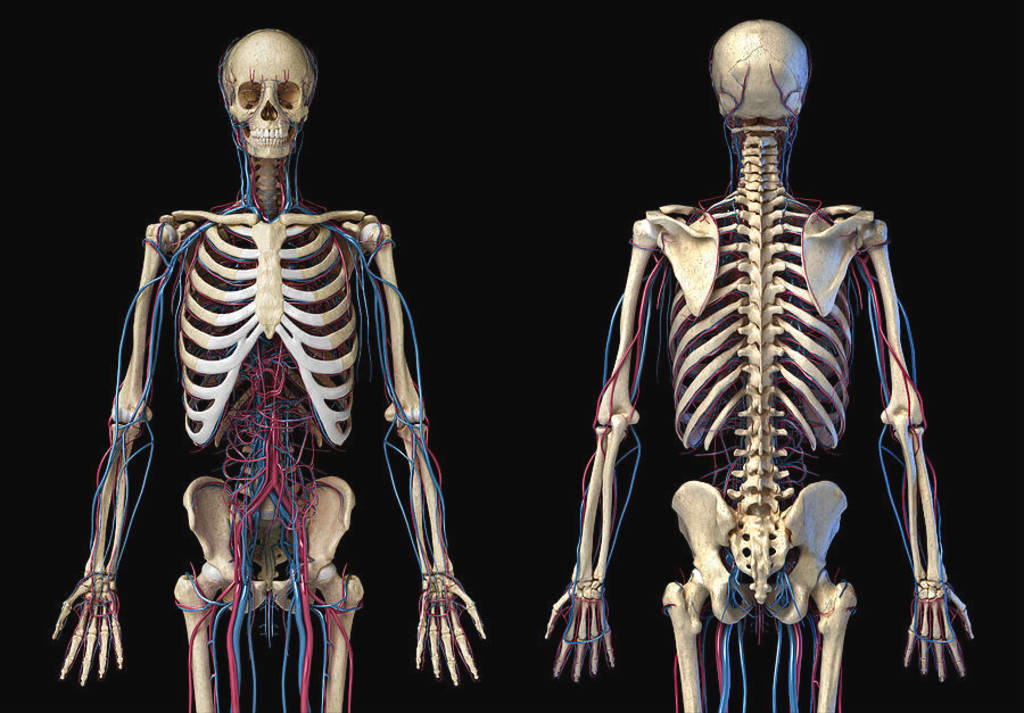
Essential Nutrients for Healthy Bones**
1. **Calcium**
Calcium is the most important mineral for maintaining strong bones. It makes up a significant part of our bone tissue and is essential for keeping bones dense and strong. Our bodies need calcium for many functions, such as muscle movement, nerve signaling, and blood clotting. If we don’t get enough calcium from our diet, our body takes it from our bones, which can weaken them over time.
Most adults need around 1,000 milligrams of calcium each day. This requirement increases to 1,200 milligrams for women over 50 and men over 70. You can find calcium in a variety of foods, such as:
- **Dairy Products:** Milk, yogurt, and cheese are rich sources of calcium. Choosing low-fat options can help you get the same benefits while reducing calories.
- **Leafy Greens:** Dark green vegetables, including broccoli, kale, and bok choy, are also good sources of calcium.
- **Fortified Foods:** Many cereals, orange juice, and plant-based milk alternatives (like almond or soy milk) are fortified with calcium, making them excellent choices for those who do not consume dairy.
2. **Vitamin D**
Vitamin D is crucial for helping the body absorb calcium. Without sufficient vitamin D, your body cannot properly utilize calcium, which can lead to weaker bones. Our bodies produce vitamin D when exposed to sunlight, but many people don’t get enough sunlight, especially in winter or if they live in places with less sun.
To ensure you get enough vitamin D, consider including these foods in your diet:
- **Fatty Fish:** Salmon, mackerel, and sardines are great sources of vitamin D.
- **Egg Yolks:** Eggs contain small amounts of vitamin D, mostly in the yolk.
- **Fortified Foods:** Like calcium, many dairy products and plant-based milk are fortified with vitamin D, making them great options.
3. **Vitamin K**
Vitamin K is another important nutrient for bone health. It helps regulate calcium in the bones and plays a role in bone metabolism. Some research indicates that adequate vitamin K intake may help reduce the risk of fractures and improve bone density.
Foods rich in vitamin K include:
- **Leafy Greens:** Spinach, kale, and collard greens are excellent sources of vitamin K.
- **Brussels Sprouts and Broccoli:** These vegetables are also high in vitamin K.
- **Fermented Foods:** Natto, a fermented soybean dish, is particularly high in vitamin K2, which is beneficial for bone health.
4. **Magnesium**
Magnesium is a vital mineral that supports bone structure and helps with calcium metabolism. It also plays a role in converting vitamin D into its active form, which is necessary for absorbing calcium. Without enough magnesium, bones can become weaker.
You can find magnesium in various foods, such as:
- **Nuts and Seeds:** Almonds, cashews, and pumpkin seeds are all excellent sources of magnesium.
- **Whole Grains:** Foods like brown rice, quinoa, and whole wheat bread are rich in magnesium.
- **Legumes:** Beans and lentils are also great options that provide magnesium along with other important nutrients.
5. **Protein**
Protein is essential for maintaining bone health as well. It helps build and repair tissues, including bones. Research shows that a lack of protein can lead to lower bone density, especially in older adults.
To include more protein in your diet, consider these sources:
- **Lean Meats:** Chicken, turkey, and lean cuts of beef provide high-quality protein.
- **Fish:** Fish not only offers protein but also contains healthy omega-3 fatty acids.
- **Plant-Based Options:** Tofu, legumes, and lentils are excellent protein sources for those following a vegetarian or vegan diet.
Lifestyle Factors that Affect Bone Health**
In addition to a balanced diet rich in essential nutrients, certain lifestyle choices can help strengthen bones:
- **Regular Exercise:** Weight-bearing exercises, like walking, jogging, and strength training, are effective at building and maintaining bone strength.
- **Limit Alcohol and Tobacco Use:** Excessive alcohol consumption and smoking can harm bone health and increase the risk of fractures.
- **Maintain a Healthy Weight:** Being underweight can increase the risk of bone loss, while a healthy weight supports overall bone strength.
Conclusion**
Eating a balanced diet plays a critical role in strengthening bones and preventing conditions such as osteoporosis. By including foods rich in calcium, vitamin D, vitamin K, magnesium, and protein in your meals, you can support your bone health throughout your life.
Incorporating a variety of these foods into your diet, combined with regular physical activity, will help you build and maintain strong bones. Remember, taking proactive steps to nourish your bones today can lead to a healthier and more active future. It’s never too late to start making positive dietary choices for better bone health!
About the Creator
Enjoyed the story? Support the Creator.
Subscribe for free to receive all their stories in your feed.
Comments
There are no comments for this story
Be the first to respond and start the conversation.