
The Importance and Functionality of a Color Matching Cabinet in Quality Control
In industries where color consistency is critical, such as textiles, printing, automotive, cosmetics, and paints, ensuring that products maintain uniform color across batches is vital.
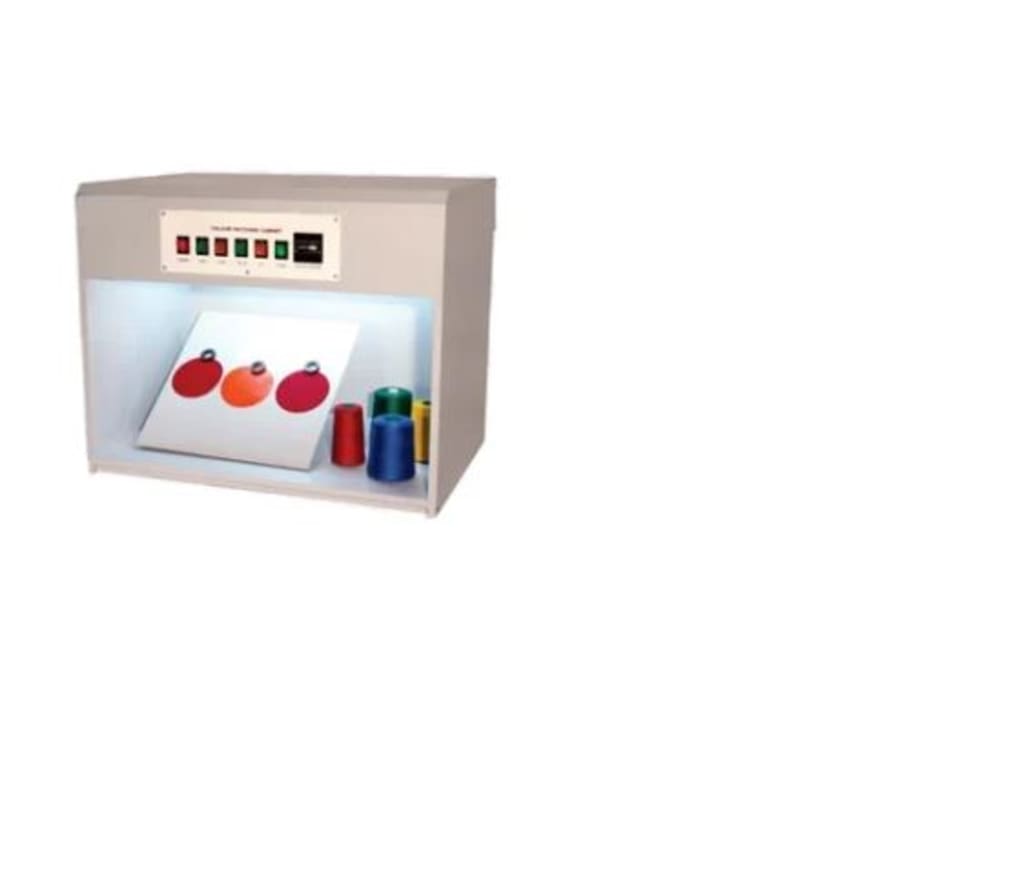
Even slight variations in color can compromise the quality and perception of a product. A Color Matching Cabinet (CMC) is a specialized tool designed to address this challenge by providing a controlled environment for accurate color evaluation, making it an essential device in quality control processes.
What is a Color Matching Cabinet?
A Color Matching Cabinet is a standard lighting device that provides consistent illumination under various light sources, allowing users to assess the color of objects or materials in a controlled and repeatable manner. It mimics multiple lighting conditions, which is crucial because colors may appear differently under different types of light. For example, a fabric might look slightly greenish under fluorescent light but appear perfectly gray in daylight. By standardizing the lighting environment, the CMC eliminates the risk of metamerism, where colors match under one light source but appear different under another.
Common Light Sources in a Color Matching Cabinet
The Color Matching Cabinet typically includes several standard light sources, each simulating a different environment to ensure products maintain their appearance across all conditions. These light sources often include:
Daylight (D65) – Simulates natural daylight and is widely used for quality control in industries such as textiles, paints, and plastics.
Tungsten Filament (A) – Represents typical household lighting conditions.
Cool White Fluorescent (CWF) – Imitates office or retail environments, commonly used in packaging and printing industries.
Ultraviolet Light (UV) – Helps in detecting fluorescent dyes or optical brighteners in materials.
TL84 or TL83 – Simulates lighting commonly found in European and Asian stores.
These various light sources ensure that a product will maintain its color consistency across different lighting environments, reducing the risk of customer dissatisfaction and returns.
How Does a Color Matching Cabinet Work?
The operation of a Color Matching Cabinet is straightforward. Items to be color-matched are placed inside the cabinet, and the user can select from multiple light sources to assess the product’s appearance under different lighting conditions. The enclosed design ensures there are no external light interferences, which could otherwise impact color perception. Some cabinets come with a timer to measure the exposure time under each light, further improving the accuracy and reproducibility of the results.
Importance of a Color Matching Cabinet in Quality Control
Eliminating Metamerism: The primary purpose of a CMC is to eliminate metamerism. Metamerism occurs when two colors appear to match under one light source but differ under another. By testing products under different lighting conditions, manufacturers can avoid this issue, ensuring color consistency throughout their products’ lifecycle.
Ensuring Quality Consistency: In industries like automotive or fashion, where brand reputation hinges on consistency, any color deviation can lead to significant problems. For instance, a car with mismatched paint panels or clothing items that appear different under certain lighting conditions can damage a brand's reputation. A CMC allows manufacturers to identify any color discrepancies early in the production process.
Cost Efficiency: Identifying color discrepancies during production reduces waste and the cost of reworking or scrapping defective products. It also minimizes the risk of customer returns due to unsatisfactory product appearance.
Compliance with Industry Standards: Many industries have specific color standards and regulations, such as ISO standards, that require consistent color evaluation methods. A CMC helps companies comply with these standards by offering a standardized evaluation environment.
Conclusion
A Color Matching Cabinet is an indispensable tool for industries where color accuracy and consistency are paramount. By providing a controlled environment for color evaluation under multiple lighting conditions, it helps manufacturers ensure that their products meet quality standards, eliminate metamerism, and maintain customer satisfaction.
About the Creator
Enjoyed the story? Support the Creator.
Subscribe for free to receive all their stories in your feed.
Comments
There are no comments for this story
Be the first to respond and start the conversation.