
The Global Reach of Mohammed Aziz's Songs
Mohammed Aziz
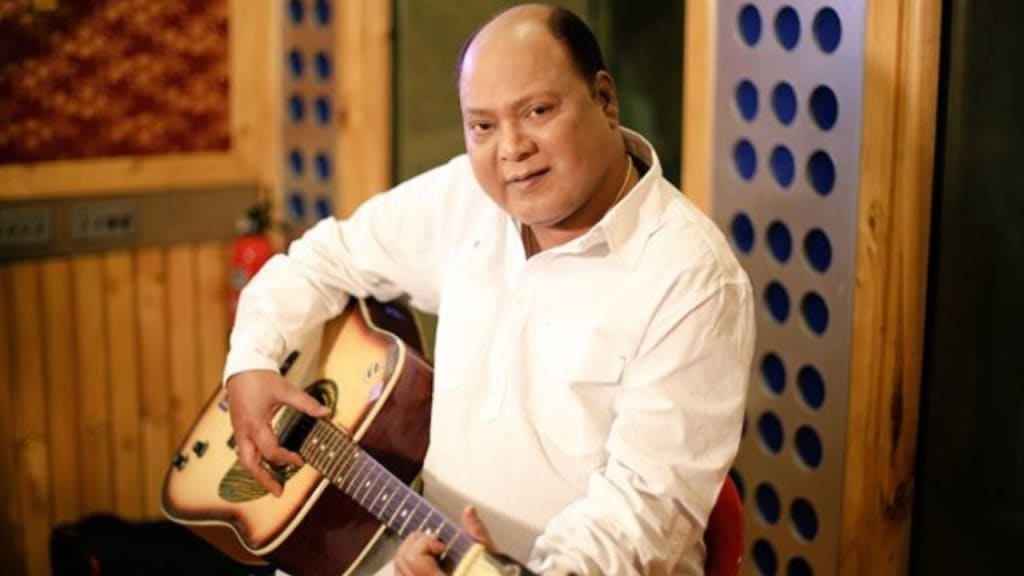
In the golden era of Bollywood, few voices stood out like the soulful and melodious voice of Mohammed Aziz. Known for his unmatched vocal range and ability to bring emotion to every note, Mohammed Aziz carved a niche for himself as one of the most iconic playback singers in Indian cinema. From his chart-topping hits to the emotional depth he brought to every song, Aziz's contribution to Bollywood is unparalleled. His voice became synonymous with the leading stars of the 80s and 90s, creating musical magic that continues to resonate with fans today. In this article, we delve into the illustrious career of Mohammed Aziz, exploring his rise to fame, legendary songs, and enduring legacy as a true musical maestro.
The Early Years: A Star in the Making
Born as Syed Mohammed Aziz-un-Nabi on July 2, 1954, in Kolkata, Mohammed Aziz showed an early inclination toward music. Growing up in a culturally rich environment, he was exposed to classical music and traditional ghazals, which shaped his artistic sensibilities. His early foray into singing came through performances at local events and private gatherings, where his powerful voice quickly gained attention.
Despite humble beginnings, Aziz nurtured a dream to make it big in Bollywood. His talent and dedication eventually paved the way for his journey from Kolkata to Mumbai, the heart of India's film industry. Unlike many contemporaries, Mohammed Aziz didn't follow a conventional path of mentorship; instead, his voice alone became his calling card.
Breaking into Bollywood
Mohammed Aziz's big break came in the early 1980s when music director Anu Malik offered him a song in the film Anand Aur Anand (1984). This was just the beginning of his ascent to stardom. However, his real claim to fame came when he collaborated with the legendary music duo Laxmikant–Pyarelal, who recognized his exceptional vocal talent and gave him opportunities in blockbuster movies. Songs like "My Name Is Lakhan" from Ram Lakhan and "Lal Dupatta Malmal Ka" became instant hits, catapulting Aziz into the limelight.
His ability to sing a wide range of genres - from romantic ballads to energetic dance numbers - cemented his position as a versatile singer. Whether it was the heartfelt "Zindagi Har Kadam Ek Nayi Jung" or the lively "Aap Ke Aa Jaane Se," Aziz had an uncanny ability to adapt his voice to the needs of the song and the actor on screen.
Collaborations with Bollywood Legends
One of the defining aspects of Mohammed Aziz's career was his collaborations with iconic music directors like Laxmikant–Pyarelal, Bappi Lahiri, and R.D. Burman. These partnerships resulted in timeless tracks that remain evergreen in Bollywood's musical history.
With Laxmikant–Pyarelal, he delivered some of his most memorable songs, including "Main Teri Mohabbat Mein" and "Ek Andhera Lakh Sitare." Bappi Lahiri, known for his disco-inspired music, tapped into Aziz's powerful voice for energetic numbers like "Patjhad Saawan Basant Bahaar." His versatility and ability to bring characters to life through his singing made him a favorite among composers and directors alike.
Aziz also lent his voice to Bollywood's biggest stars, including Amitabh Bachchan, Anil Kapoor, and Mithun Chakraborty. His voice became the perfect match for these actors, amplifying their on-screen charisma and leaving an indelible mark on audiences.
The Unique Magic of Mohammed Aziz's Voice
What set Mohammed Aziz apart from his contemporaries was his ability to evoke emotions effortlessly. His voice carried a natural depth that could convey love, heartbreak, and joy with equal intensity. Unlike many singers of his time, Aziz could seamlessly transition between classical-inspired melodies and modern, upbeat tracks, showcasing his unparalleled versatility.
His voice resonated deeply with audiences because it brought authenticity to every character he sang for. Whether it was a jovial street performer or a heartbroken lover, Mohammed Aziz's renditions made the emotions feel real, adding depth to the cinematic experience.
Recognition and Legacy
Throughout his career, Mohammed Aziz received several accolades for his contributions to Indian music. While he may not have won as many awards as some of his peers, his true reward lay in the adoration of millions of fans. Songs like "Teri Bewafai Ka Shikwa" and "Mera Karma Tu" remain etched in the hearts of listeners.
Even after the advent of newer singing styles and changing trends in Bollywood, Aziz's songs continue to be celebrated for their timeless appeal. His voice is a reminder of an era when music was rich in melody and emotion, a testament to his artistry and dedication to his craft.
Challenges and Final Years
Despite his success, Mohammed Aziz faced challenges as Bollywood music underwent a transformation in the late 1990s. The rise of new singers and a shift toward westernized music meant fewer opportunities for singers of the old school. Yet, Aziz continued to perform at concerts and events, bringing joy to his loyal fans.
Tragically, Mohammed Aziz passed away on November 27, 2018, leaving a void in the world of music. His sudden demise was mourned across the nation, with fans and industry peers paying heartfelt tributes to his legacy.
Conclusion
Mohammed Aziz was more than just a playback singer; he was a phenomenon who touched the hearts of millions with his melodious voice and unforgettable songs. His contributions to Bollywood's golden era of music remain unparalleled, and his legacy as a versatile and emotive singer continues to inspire generations. From "My Name Is Lakhan" to his lesser-known gems, Mohammed Aziz proved that true talent transcends time.
As we celebrate the life and music of Mohammed Aziz, it's clear that his songs will forever remain a cherished part of Bollywood's rich history. Let's revisit his timeless tracks and ensure his legacy endures for years to come.
About the Creator
Enjoyed the story? Support the Creator.
Subscribe for free to receive all their stories in your feed.
Comments
There are no comments for this story
Be the first to respond and start the conversation.