
The Future of Mobile Diagnosis: Trends in Healthcare App Development
In healthcare app development related to diagnosis, such as wearable integration, real-time data analytics, and personalized medicine. We will also predict future innovations and their potential impact on the healthcare industry.

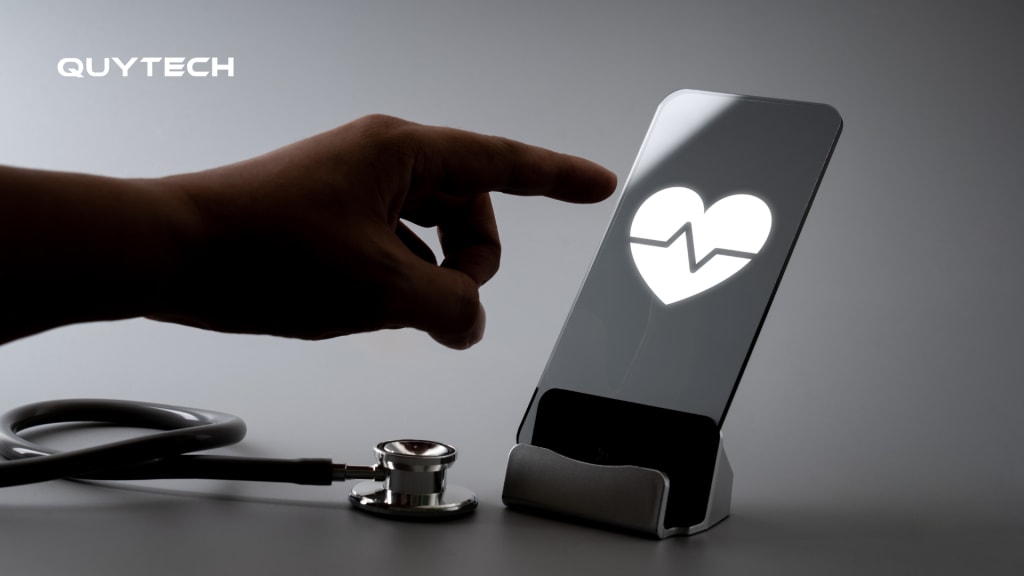
The landscape of healthcare is rapidly evolving, and mobile diagnosis is at the forefront of this transformation. With advancements in technology, healthcare app development is experiencing significant changes that promise to revolutionize how medical diagnoses are conducted. In this blog, we will analyze emerging trends
in healthcare app development related to diagnosis, such as wearable integration, real-time data analytics, and personalized medicine. We will also predict future innovations and their potential impact on the healthcare industry.
Wearable Integration in Healthcare Apps
Wearable devices have become increasingly popular, providing users with continuous health monitoring and data collection. These devices, such as smartwatches, fitness trackers, and medical-grade wearables, can track vital signs, physical activity, and other health metrics.
Impact on Healthcare App Development
Continuous Monitoring: Wearables enable continuous monitoring of health parameters, allowing for early detection of anomalies and timely interventions.
Data Integration: Healthcare apps are being developed to seamlessly integrate with wearable devices, providing a comprehensive view of a patient's health.
Enhanced Patient Engagement: Wearables encourage patients to take an active role in managing their health, fostering better engagement and adherence to treatment plans.
Future Predictions
Advanced Sensors: Future wearables will feature more advanced sensors capable of monitoring a broader range of health metrics, including glucose levels, blood pressure, and even stress indicators.
AI-Powered Insights: Integration of artificial intelligence (AI) will provide personalized health insights and recommendations based on the continuous data collected by wearables.
Real-Time Data Analytics
Trend Overview
The ability to analyze health data in real-time is a game-changer for mobile diagnosis. Real-time data analytics allows for immediate interpretation of health metrics, leading to faster and more accurate diagnoses.
Impact on Healthcare App Development
Immediate Feedback: Healthcare apps equipped with real-time analytics can provide instant feedback to both patients and healthcare providers, enhancing the decision-making process.
Predictive Analytics: By analyzing historical and real-time data, these apps can predict potential health issues and prevent them before they escalate.
Improved Outcomes: Real-time data analytics can lead to improved patient outcomes by enabling timely interventions and personalized treatment plans.
Future Predictions
Machine Learning Algorithms: Advanced machine learning algorithms will enhance the predictive capabilities of healthcare apps, making diagnosis even more accurate.
Integration with Telemedicine: Real-time analytics will seamlessly integrate with telemedicine platforms, allowing healthcare providers to offer remote diagnosis and treatment with high precision.
Personalized Medicine
Trend Overview
Personalized medicine customizes medical treatment based on the unique characteristics of each patient. This approach considers genetic, environmental, and lifestyle factors to create customized treatment plans. This information helps in tailoring personalized treatment plans for patients.
A healthcare app development company can increasingly incorporate these principles to enhance healthcare solutions.
Impact on Healthcare App Development
Genetic Data Integration: Healthcare apps are beginning to incorporate genetic data, enabling more personalized and effective treatment plans.
Custom Treatment Plans: By analyzing a patient's unique health data, these apps can recommend personalized treatment plans that are more likely to be effective.
Patient-Centric Care: Personalized medicine shifts the focus to patient-centric care, improving patient satisfaction and outcomes.
Future Predictions
Genomic Sequencing: Widespread use of genomic sequencing will provide healthcare apps with detailed genetic information, allowing for highly personalized treatment plans.
AI-Driven Personalization: AI will play a crucial role in analyzing genetic and health data to provide highly customized medical advice and treatment recommendations.
Predicting Future Innovations in Mobile Diagnosis
Trend Overview
The future of mobile diagnosis is promising, with several emerging technologies poised to transform healthcare software development further.
Key Innovations and Their Potential Impact
Telehealth Integration: Telehealth will become more integrated with diagnostic apps, enabling remote consultations and real-time diagnosis from anywhere in the world. This will be especially advantageous for patients in remote or underserved regions.
Augmented Reality (AR) and Virtual Reality (VR): AR and VR technologies will be used to create immersive diagnostic tools. For example, AR can be used to visualize internal organs during a diagnosis, while VR can simulate various medical conditions for training purposes.
Blockchain for Data Security: Blockchain technology will ensure the security and privacy of patient data in diagnostic apps. By providing a decentralized and immutable ledger, blockchain will prevent data breaches and unauthorized access.
Voice Recognition and Natural Language Processing (NLP): Voice recognition and NLP will enable more intuitive interactions with diagnostic apps. Patients will be able to describe symptoms and receive diagnoses through simple voice commands.
5G Connectivity: The widespread adoption of 5G will enhance the capabilities of mobile diagnostic apps by providing faster data transmission and lower latency. This will enable real-time video consultations, instant data sharing, and more efficient remote monitoring.
Potential Impact on Healthcare
Increased Access to Healthcare: These innovations will make healthcare more accessible to people around the world, breaking down geographical barriers and improving health equity.
Enhanced Diagnostic Accuracy: Advanced technologies like AI, AR, and VR will improve diagnostic accuracy, leading to better patient outcomes.
Cost-Effective Solutions: Mobile diagnostic apps will offer cost-effective solutions for both patients and healthcare providers, reducing the need for expensive in-person consultations and diagnostic tests.
Conclusion
The future of mobile diagnosis in healthcare app development is bright, with emerging trends and innovations set to transform the industry. Wearable integration, real-time data analytics, and personalized medicine are already making significant strides, while future technologies like telehealth integration, AR/VR, blockchain, voice recognition, and 5G promise to take mobile diagnosis to new heights.
As healthcare app development companies continue to innovate and embrace these trends, we can expect a more efficient, accurate, and accessible healthcare system that benefits patients and providers alike.
About the Creator
Ewenjlin Smith
Hi, I'm Ewenjlin Smith, a Business Analyst at Quytech. My expertise lies in utilizing data-driven insights and strategic planning to enhance business operations.
Enjoyed the story? Support the Creator.
Subscribe for free to receive all their stories in your feed.
Comments
There are no comments for this story
Be the first to respond and start the conversation.