
The Future of Battery Swapping Charging Infrastructure in 2025: Key Trends and Market Insights
Battery swapping market
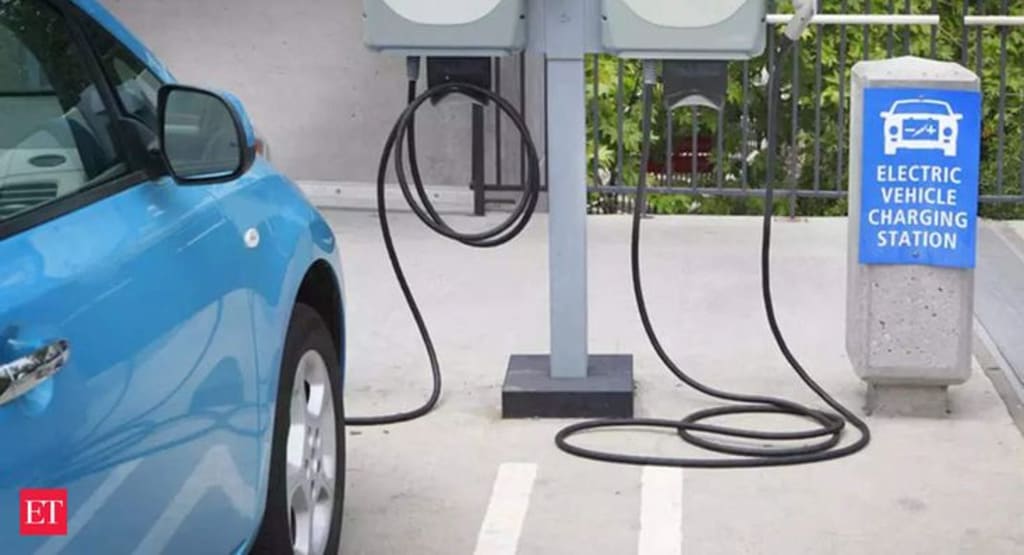
As the world accelerates its transition to electric vehicles (EVs), one challenge remains central to the widespread adoption of EVs: charging infrastructure. While traditional charging stations have made strides, the rise of Battery Swapping technology offers a revolutionary solution. As we look toward 2025, Battery Swapping Charging Infrastructure is poised to become a key player in the EV ecosystem, enhancing convenience, speed, and accessibility.
Get a Sample PDF of Battery Swapping Charging Infrastructure Market report:
What Is Battery Swapping Charging Infrastructure?
Battery swapping involves exchanging an EV’s depleted battery with a fully charged one at a designated station. Unlike traditional charging, where the vehicle’s battery is charged over time, battery swapping provides a quick and efficient alternative—allowing drivers to continue their journey almost immediately.
Battery swapping is particularly appealing for commercial vehicles, such as buses and delivery trucks, where downtime needs to be minimized. It also provides a scalable solution for locations with high turnover and a demand for fast, efficient charging.
Why Battery Swapping is Gaining Traction in 2025
In 2025, several factors will contribute to the rapid adoption of battery swapping charging infrastructure:
1. Increased EV Adoption As the adoption of electric vehicles continues to grow globally, especially in regions like Europe, North America, and parts of Asia, the demand for faster charging solutions will rise. With governments and organizations pushing for greener solutions, battery swapping offers a quick and easy way to boost EV infrastructure without the need for time-consuming charging processes.
2. Faster Charging Time Unlike traditional charging stations, where it can take anywhere from 30 minutes to several hours to recharge an EV battery, battery swapping can be done in a matter of minutes. This is particularly valuable for fleet operators who need their vehicles back on the road as quickly as possible, reducing downtime and boosting operational efficiency.
3. Convenience for Consumers For EV owners, especially in urban areas, battery swapping provides the convenience of avoiding long charging waits, making it more attractive than traditional charging methods. EV owners can simply swap their battery at a station and continue driving, which can be a game-changer for long-distance travel or during peak charging times when conventional stations may be overcrowded.
Key Trends Shaping the Battery Swapping Market in 2025
1. Rise of Autonomous and Electric Fleet Services In 2025, the adoption of autonomous and electric fleets for delivery and ride-hailing services will accelerate the demand for battery swapping stations. These fleets require fast and efficient charging solutions, and battery swapping is ideal for keeping their operations running smoothly without long pauses for charging.
2. Integration with Renewable Energy As sustainability becomes a focal point of global policies, battery swapping stations will increasingly be integrated with solar and wind power. This integration will not only reduce the carbon footprint of the energy used to charge EV batteries but also help create self-sustaining infrastructure that’s environmentally friendly.
3. Global Expansion of Battery Swapping Networks In 2025, we can expect significant growth in battery swapping stations worldwide, particularly in urban areas and high-traffic zones. Major players in the EV and charging industry, such as NIO, Gogoro, and BAIC, are investing heavily in building out swapping networks to meet demand.
4. Standardization and Global Adoption For battery swapping to become mainstream, standardization of battery designs and swap station interfaces will be key. In 2025, we expect significant progress towards creating universal standards, enabling vehicles from different manufacturers to use the same stations. This will boost adoption by making it easier for consumers and fleet operators to access services.
5. Smart Charging Solutions The integration of IoT (Internet of Things) and AI-based algorithms into battery swapping stations will enable smarter charging solutions. These stations can optimize the swapping process based on real-time data such as battery levels, station load, and demand forecasts, providing a seamless experience for users.
For any questions or enquiry before buying get in touch with our experts at:
Conclusion: Why Battery Swapping is the Future of EV Charging
In 2025, battery swapping charging infrastructure will be an essential part of the global EV ecosystem. The growing demand for faster, more convenient charging solutions, combined with the push for sustainable energy, makes battery swapping a game-changer for the EV industry. By improving charging times, reducing operational costs, and enhancing customer convenience, battery swapping has the potential to revolutionize the way we think about EV charging.
About the Creator
saniya bhandari
digital marketer
Enjoyed the story? Support the Creator.
Subscribe for free to receive all their stories in your feed.
Comments
There are no comments for this story
Be the first to respond and start the conversation.