
The Future of Assisted Living and Skilled Nursing Care by paulcontris
by Paul Contris

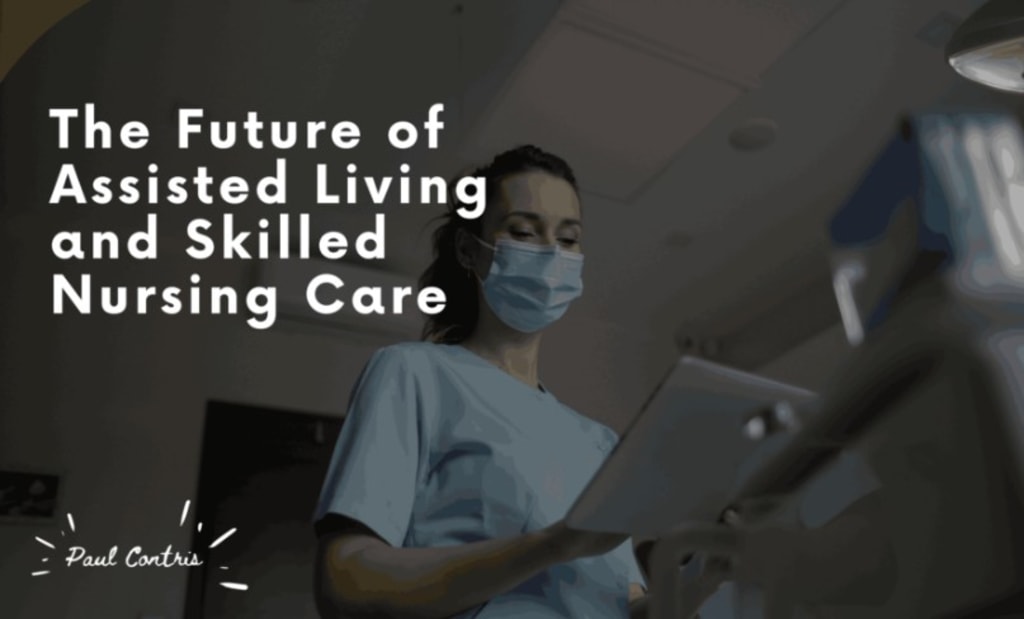
The senior care industry is undergoing a profound and necessary transformation, shaped by demographic changes, evolving expectations, and rapid advancements in healthcare technology. As populations across the globe continue to age, the demand for assisted living and skilled nursing services is increasing at an unprecedented rate. In the United States alone, the population aged 65 and older is projected to nearly double by 2060, creating both significant opportunities and complex challenges for long-term care providers. This shift is not just about accommodating more people—it is about rethinking how care is delivered, experienced, and sustained.
One of the most notable changes in the industry is the evolving expectation of seniors themselves. Unlike previous generations, today’s older adults are more active, informed, and independent. They are no longer satisfied with traditional institutional care models that prioritize efficiency over quality of life. Instead, they seek environments that feel like home—spaces that offer comfort, autonomy, and a strong sense of community. In response, assisted living facilities are redesigning their approaches, focusing on resident-centered care that emphasizes dignity, personalization, and emotional well-being. Amenities such as wellness programs, social engagement opportunities, and tailored healthcare plans are becoming standard rather than optional.
In parallel, there is a growing demand for specialized care services. As medical knowledge advances and life expectancy increases, more seniors are living with complex health conditions that require targeted expertise. Facilities are increasingly offering dedicated memory care units for individuals with Alzheimer’s and other forms of dementia, as well as post-acute rehabilitation programs for those recovering from surgery or illness. Chronic disease management has also become a central focus, particularly for conditions such as diabetes, heart disease, and respiratory disorders. This shift toward specialization not only improves patient outcomes but also allows providers to differentiate themselves in a competitive marketplace.
However, the industry’s evolution is not without its challenges. Financial pressures remain one of the most significant obstacles facing senior care providers. Rising operational costs, driven largely by labor shortages and increasing wage demands, are straining budgets across the sector. Recruiting and retaining skilled caregivers has become increasingly difficult, yet maintaining adequate staffing levels is essential for delivering high-quality care. At the same time, reimbursement models through government programs such as Medicare and Medicaid are often unpredictable and insufficient, making long-term financial planning more complex. Regulatory requirements further add to the burden, as facilities must navigate strict compliance standards that vary by region and are frequently updated.
To remain viable, organizations must adopt more strategic and efficient approaches to financial management. This includes optimizing occupancy rates, streamlining operations, and exploring alternative revenue streams such as private-pay services or partnerships with healthcare systems. Innovation is no longer optional—it is a necessity for survival in a rapidly changing environment.
Technology is playing an increasingly central role in addressing many of these challenges and reshaping the future of senior care. Telehealth services, for example, have expanded access to medical professionals, allowing residents to receive timely consultations without the need for hospital visits. This not only improves convenience but also reduces strain on healthcare systems. Similarly, advancements in artificial intelligence and remote monitoring are enhancing safety and preventive care. Smart sensors can detect falls, track vital signs, and alert staff to potential health issues before they become emergencies. Electronic health records are also improving coordination among care teams, ensuring that information is accurate, accessible, and up to date.
Despite these technological advancements, the human element of care remains irreplaceable. Compassion, empathy, and personal connection are at the heart of effective caregiving. As such, one of the most critical priorities for the future is workforce development. Investing in training, career growth opportunities, and employee well-being will be essential for attracting and retaining talent. A stable and motivated workforce not only improves patient outcomes but also strengthens organizational resilience.
Leadership in the senior care industry must also evolve to meet these new demands. Effective leaders will need to be adaptable, forward-thinking, and willing to embrace change. This includes staying informed about emerging trends, adopting innovative solutions, and fostering a culture of continuous improvement. Collaboration will also be key, as partnerships between healthcare providers, technology companies, and community organizations can drive more integrated and holistic care models.
In conclusion, the future of assisted living and skilled nursing care is both challenging and full of opportunity. The growing aging population ensures sustained demand, but success will depend on how well organizations adapt to changing expectations, financial realities, and technological advancements. By prioritizing personalized care, embracing innovation, and investing in both staff and leadership, the industry can not only meet these challenges but also redefine what it means to age with dignity and quality of life.
About the Creator
Paul Contris
Based in Arizona and working out of Wyoming, Paul Contris is the CEO of Vetras Healthcare. He is committed to improving senior living, supporting caregivers & advancing healthcare solutions with more than 40 years of experience.
Enjoyed the story? Support the Creator.
Subscribe for free to receive all their stories in your feed.
Comments
There are no comments for this story
Be the first to respond and start the conversation.