
The Future of Art: Unpacking AI Art Generators
The rise of AI art generators

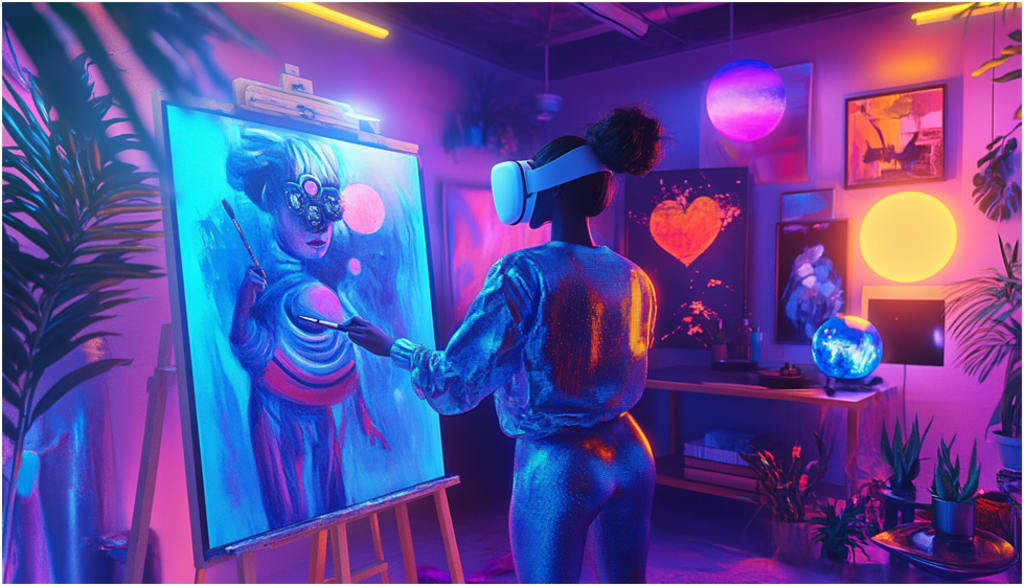
The rise of AI art generators is reshaping the landscape of creativity. These innovative tools use algorithms to create stunning visuals, pushing the boundaries of what art can be. As AI in art gains traction, it’s essential to explore both its potential and its pitfalls.
Understanding the implications of an AI art generator is crucial for artists and the entire art community. The pros and cons of AI art generators can significantly impact how we view creativity and originality. By unpacking these tools, we can better navigate the future of art and ensure that human expression remains at its core.
What are AI Art Generators?
AI art generators utilize artificial intelligence to create images, music, and poetry from user inputs. Examples include DeepArt, DALL-E, and Artbreeder, highlighting AI's diverse artistic capabilities. These tools enable users to explore styles and concepts difficult to achieve traditionally.
The technology relies on complex algorithms and machine learning, analyzing large datasets of existing artwork to mimic various styles. Neural networks identify patterns and generate new content based on learned data, allowing these generators to produce unique pieces that blend elements from different artists and genres.
AI's evolution in the art world has advanced from simple generation to high-quality production. This progress prompts discussions on the advantages and ethical concerns surrounding AI art generators, especially regarding artistic integrity. While they offer innovative opportunities, the implications require careful thought.
As AI develops, artists may collaborate with these technologies instead of competing. Recognizing AI art generators' capabilities is essential for adapting to this evolving creative landscape and understanding its effects on traditional art forms.
Pros of AI Art Generators
AI art generators enhance creativity by inspiring artists with new ideas and compositions. They enable collaboration between human intuition and machine learning, leading to innovative artistic expressions.
Additionally, these tools increase accessibility, allowing those without formal training to create stunning visuals easily. This democratization of art fosters a vibrant and diverse creative community.
AI also expands artistic boundaries by introducing new styles and techniques. Artists can experiment with different aesthetics and genres through AI-generated suggestions. For example, an artist interested in surrealism can use an AI art generator to blend elements from various artistic movements, creating something entirely unique. This fusion of styles opens up exciting possibilities for the future of creativity in the art world.
Cons of AI Art Generators
AI art generators raise concerns about originality, authorship, and copyright. Artists fear algorithms can easily mimic their work, questioning the true ownership of AI-created art.
Additionally, the rise of AI-generated art poses a threat to traditional artists, leading to job displacement and market saturation. The low-cost and high-output nature of AI art may devalue human-created art, jeopardizing the livelihoods of many talented artists.
The use of technology in art raises complex ethical issues, particularly regarding AI-generated creations and copyright. Questions arise about the rights of original creators when AI uses their images for training. This challenges traditional notions of creativity and ownership, prompting a reevaluation within the art community.
To navigate this evolving landscape, it is crucial to weigh the advantages and disadvantages of AI art generators. Open dialogue can help establish guidelines that protect artists' rights while fostering technological advancements, ensuring a vibrant and inclusive future for all creators in the art world.
The Role of Artists in an AI-Driven World
As AI art generators rise, artists should view AI as a creative tool rather than a replacement. Machine learning can inspire new ideas, allowing artists to generate concepts for refinement and personalization.
However, the human touch and emotional depth in art remain irreplaceable, as AI lacks the feeling that resonates with audiences. By focusing on personal stories and experiences, artists can ensure their work stands out amidst automation.
Artists are collaborating with AI to create dynamic installations that evolve over time. These partnerships foster dialogue between human creativity and technology, challenging traditional views on authorship. AI serves as an ally in the art world, enhancing rather than competing with artistic expression.
Artists should embrace AI while preserving their identity, using machine learning to explore new creative dimensions. This collaboration enriches their practice and redefines the future of art, celebrating both human and artificial intelligence.
The Educational Perspective
Incorporating AI art generators into art education opens up new avenues for creativity. Students can explore tools like DALL-E and Midjourney to generate unique visual concepts. This hands-on experience with technology not only enhances artistic skills but also fosters a deeper understanding of the pros and cons of AI art generators.
Teaching students about the underlying technology is essential. Understanding how AI algorithms process data to create art can spark curiosity and innovation. Alongside technical skills, it’s crucial to discuss ethical considerations, such as copyright issues and authorship, ensuring students are aware of the responsibilities that come with using these tools.
Encouraging critical thinking is vital in this evolving landscape. Students should analyze how technology influences creativity and question the implications of relying on AI in artistic expression. By fostering discussions around the role of technology, educators can guide future artists in navigating the complex relationship between human creativity and artificial intelligence.
Looking Ahead: The Impact of AI Art Generators
AI art generators bring exciting possibilities and notable challenges to the art world. These tools can inspire creativity and push artistic boundaries, yet they also raise concerns about originality and ethics. Understanding the pros and cons of AI art generators is crucial as we navigate this evolving landscape.
Engaging in dialogue about the future of art is essential for artists, educators, and enthusiasts alike. By discussing the implications of AI, we can find a balance between innovation and ethical responsibility. Together, we can shape a future where AI art generators enhance creativity while respecting the values that define our artistic community.
About the Creator
Jonas Lee
Hi, I'm Jonas Lee passionate blogger. I write about artificial intelligence, technology, and innovations. My work explores the latest advancements in these fields, offering insights into how they shape the future.
Enjoyed the story? Support the Creator.
Subscribe for free to receive all their stories in your feed.
Comments
There are no comments for this story
Be the first to respond and start the conversation.