
The Complete Guide to Music Labels and Recording Tools
This article is about The Complete Guide to Music Labels and Recording Tools
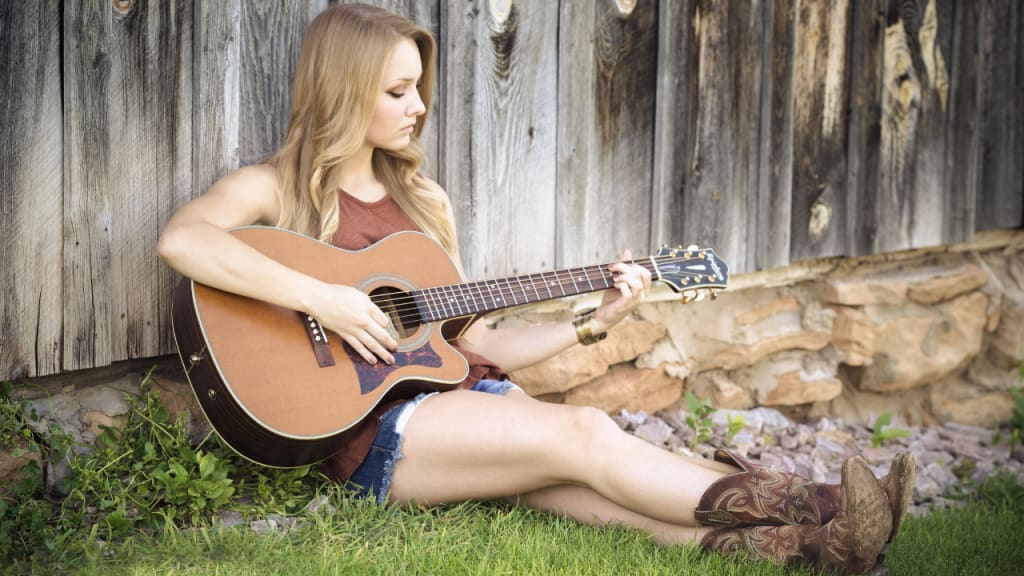
Creating music is an art, but the tools and branding choices you make can significantly impact your success. From crafting unique music label names to choosing the right equipment for recording, each step contributes to your musical journey. In this guide, we’ll explore how to make informed decisions about branding, microphones, editing tools, and monitoring your progress on platforms like Spotify. Whether you’re a seasoned artist or just starting out, this comprehensive guide has you covered.
The Importance of Music Label Names
Choosing the perfect music label names is more than just a creative exercise; it’s a vital part of establishing your identity in the music industry. A memorable name can set your label apart from competitors and resonate with your target audience. Here are some tips for crafting compelling music label names:
Reflect Your Brand: Ensure your label name aligns with the genre and vibe of your music.
Keep It Simple: Avoid overly complex or hard-to-spell names.
Check Availability: Make sure the name isn’t already taken or trademarked.
Consider Longevity: Choose a name that will grow with you and your music.
Having a strong brand foundation allows you to focus on producing music and engaging with your audience.
The Best Mic for Voice Recording
Once you have your label name sorted, the next step is investing in the best mic for voice recording. Whether you’re recording vocals, podcasts, or instruments, the quality of your microphone can make or break your sound. Here are some options to consider:
Condenser Microphones: Known for their sensitivity and clarity, they’re ideal for studio recordings.
Dynamic Microphones: If you’re wondering what is a dynamic microphone, it’s a type of mic that’s durable, versatile, and excellent for live performances and recording loud sound sources.
When choosing the best mic for voice recording, consider your recording environment, budget, and the type of sound you want to capture. Testing different microphones can help you find the perfect match.
What is a Dynamic Microphone and Why It Matters
So, what is a dynamic microphone, and why should you consider one? Dynamic microphones use electromagnetic induction to convert sound into electrical signals. They’re known for their rugged construction and ability to handle high sound pressure levels, making them perfect for:
Live performances
Recording drums and guitar amps
Outdoor recordings
While condenser microphones are more sensitive and detailed, dynamic microphones excel in capturing robust, undistorted audio in challenging environments. Popular examples include the Shure SM58 and Sennheiser e835.
Using Audio File Compressor Free Tools
Once you’ve recorded your audio, it’s time to enhance and polish it. An audio file compressor free tool is an essential addition to any musician’s toolkit. Compression helps to even out the dynamic range of your recordings, ensuring that softer sounds are audible and louder sounds aren’t overwhelming. Here’s how to get started:
Find Free Software: Tools like Audacity, GarageBand, and Ocenaudio offer built-in compressors.
Understand Compression Settings: Adjust parameters like threshold, ratio, and attack/release to achieve the desired effect.
Apply Compression Sparingly: Over-compression can result in a lifeless recording, so use it judiciously.
Using an audio file compressor free allows you to improve your sound without spending extra money, making it ideal for independent artists on a budget.
How to Check Streams on Spotify
After branding, recording, and editing, it’s time to share your music with the world. Platforms like Spotify offer valuable insights into your audience’s behavior. Learning how to check streams on Spotify is crucial for tracking your progress and refining your promotional strategies. Here’s a step-by-step guide:
Set Up Spotify for Artists: This platform gives you access to detailed analytics, including streams, saves, and listener demographics.
Analyze Your Streams: Look for trends in your most popular tracks and regions where your music is gaining traction.
Promote Your Music: Use the data to target specific audiences with tailored marketing campaigns.
By regularly checking streams on Spotify, you can measure the effectiveness of your releases and make data-driven decisions to grow your fanbase.
Bringing It All Together
From selecting the right music label names to choosing the best mic for voice recording and understanding what is a dynamic microphone, every decision you make shapes your music career. Free tools like an audio file compressor free keep your production costs low, while monitoring streams on Spotify ensures you stay connected to your audience.
Remember, success in the music industry is a combination of creativity, strategy, and persistence. Take the time to refine your craft, invest in quality equipment, and engage with your listeners. By following these steps, you’ll be well on your way to building a successful music label and making your mark in the industry.
About the Creator
Enjoyed the story? Support the Creator.
Subscribe for free to receive all their stories in your feed.
Comments
There are no comments for this story
Be the first to respond and start the conversation.