
The Case for Developing floating cities
some top European and American cities today will become unliveable in the future
By Dr. Issam Daoud - Chairman Avanti Holding Group Of Companies
As global temperatures continue to rise, some of the top European and American cities may become unlivable in the future due to several reasons, including extreme weather conditions, air pollution, and rising sea levels. Here are some examples:
Miami, Florida: Miami is located on the coast and is therefore vulnerable to the rising sea levels caused by climate change. According to a report by the National Oceanic and Atmospheric Administration (NOAA), sea levels in Miami could rise by up to six feet by the end of the century, putting the city at risk of flooding and other climate-related disasters.
Venice, Italy: Venice is already struggling to cope with the impact of climate change, with rising sea levels and flooding becoming more frequent. In November 2019, the city experienced its worst flooding in over 50 years, with the high tide reaching 6 feet above sea level.
London, England: London is at risk of flooding from the River Thames, which could rise by up to 1.15 meters by 2100, according to a report by the London Climate Change Partnership. The city is also vulnerable to extreme heatwaves, which are expected to become more frequent due to climate change.
Barcelona, Spain: Barcelona is at risk of extreme heatwaves, which could become more frequent and intense due to climate change. A study by the Barcelona Institute for Global Health found that by 2050, the number of heat-related deaths in the city could increase by up to 22 times compared to current levels.
New Orleans, Louisiana: New Orleans is located on the coast and is therefore vulnerable to rising sea levels and the increasing frequency of hurricanes and other extreme weather events. Hurricane Katrina, which hit the city in 2005, was one of the deadliest and most destructive hurricanes in U.S. history, causing over $100 billion in damage and resulting in the deaths of over 1,800 people.
To prevent these cities from becoming unlivable in the future, it is important to take action now to mitigate the impact of climate change. This includes reducing greenhouse gas emissions, investing in renewable energy, and developing infrastructure and policies that can withstand the effects of climate change. Additionally, there is a need for greater collaboration between cities, governments, and the private sector to develop sustainable solutions that can ensure the livability of our cities for generations to come.
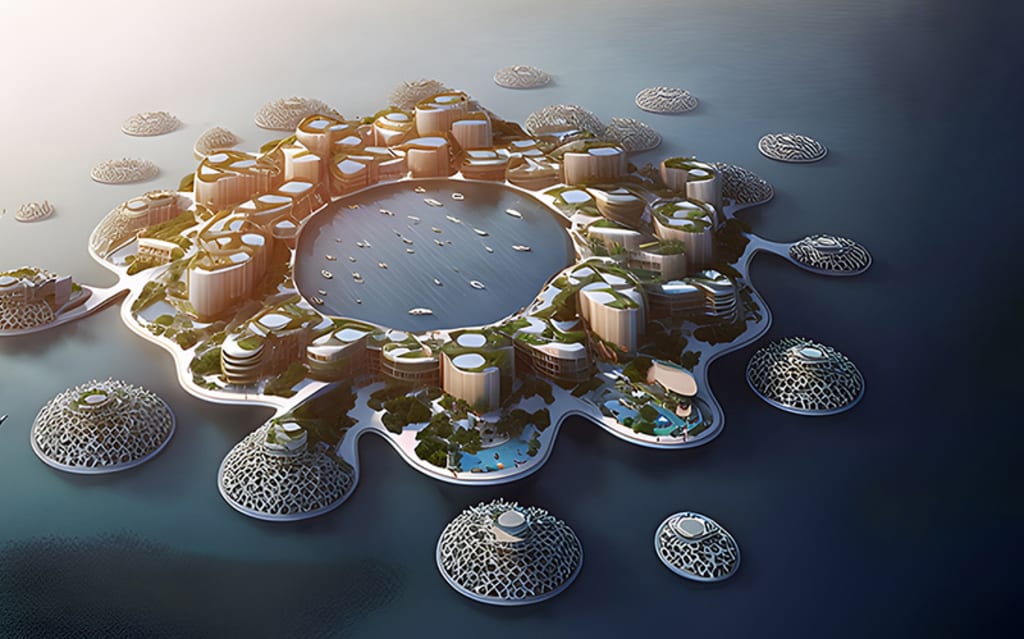
Floating cities or structures can provide a unique solution to the environmental risks facing many coastal cities, including the examples mentioned above. By designing buildings and infrastructure to float on the water's surface, these structures can rise and fall with the changing sea levels, reducing the risk of flooding and other climate-related disasters. Here are some ways that floating cities or structures could help mitigate the environmental risks facing these cities:
Increased Resilience: By floating on the water's surface, structures can rise and fall with the changing sea levels, reducing the risk of damage from flooding or other extreme weather events. This increased resilience can help ensure the safety of residents and reduce the risk of property damage.
Sustainability: Floating cities can be designed to be sustainable, with features such as solar panels, wind turbines, and rainwater harvesting systems, reducing the reliance on fossil fuels and decreasing carbon emissions. Additionally, the use of renewable materials and the adoption of circular economy principles can help reduce waste and improve the overall sustainability of these structures.
Flexibility: Floating structures can be designed to be flexible, allowing them to adapt to changing needs and conditions. For example, modular construction methods can allow for easy expansion or contraction of the structure, depending on the needs of the community.
Increased Accessibility: Floating cities can be designed to be more accessible, with features such as water taxis or ferries providing easy transportation to and from the structure. This can help reduce the need for private vehicles, decreasing traffic congestion and improving air quality.
New Economic Opportunities: Floating cities can create new economic opportunities, such as tourism, aquaculture, or marine research. Additionally, the development of floating cities can create new jobs and industries, contributing to local economic development.
While the concept of floating cities may seem futuristic, the technology and expertise needed to design and build these structures already exist. Several companies and organizations have already developed prototypes and designs for floating cities, and several pilot projects are currently underway around the world. However, there are still significant challenges to be addressed, such as ensuring the safety and stability of these structures in extreme weather conditions and ensuring that they are environmentally sustainable.
Overall, the development of floating cities or structures can provide a unique solution to the environmental risks facing many coastal cities. By designing buildings and infrastructure that can rise and fall with the changing sea levels, we can ensure the safety and sustainability of our cities for generations to come.
About the Creator
Global Research Lab
We are a company doing research about different topics for the public information
Enjoyed the story? Support the Creator.
Subscribe for free to receive all their stories in your feed.
Comments
There are no comments for this story
Be the first to respond and start the conversation.