
The Biggest Mistakes in Woodworking and How to Avoid Them
Find out what they are and improve the quality of your services
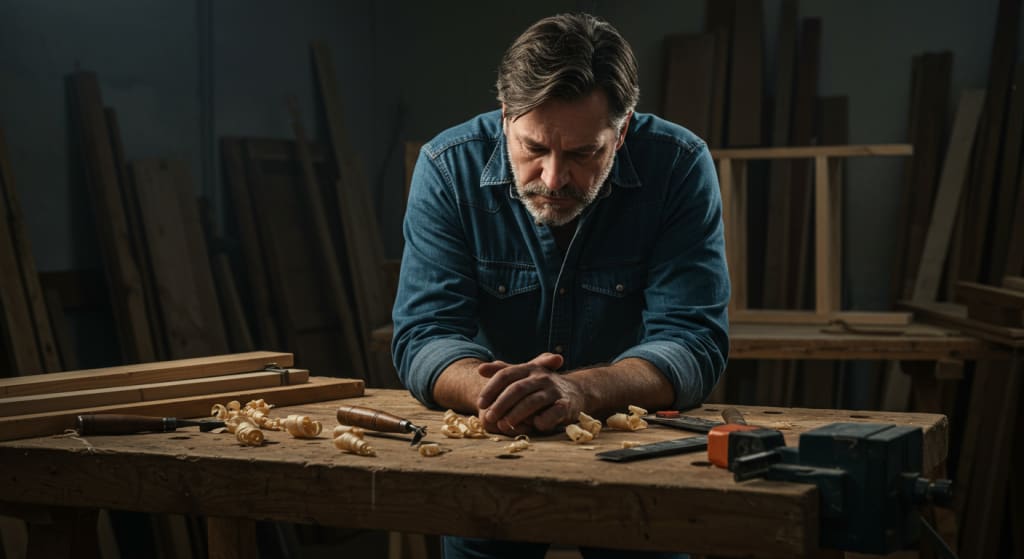
Woodworking is an art that combines skill, patience, and creativity. But even the most experienced woodworkers make mistakes, especially when they overlook the basics or rush through a project. If you're working with wood, understanding the most common mistakes can save you time, materials, and frustration. Whether you're a beginner or a seasoned carpenter, avoiding these errors will help you create high-quality pieces with confidence.
50 Free plans "made for you". Download your plans for free.
Skipping the Planning Stage
One of the biggest mistakes people make in woodworking is diving straight into a project without proper planning. Without a detailed plan, you may cut materials incorrectly, forget essential measurements, or end up with a piece that doesn’t fit together properly.
How to Avoid It:
- Always sketch or use woodworking plans before you start.
- Double-check your measurements and materials list.
- Take your time to visualize the process from start to finish.
2. Inaccurate Measurements
The old saying "measure twice, cut once" exists for a reason. A small mistake in measurement can result in pieces that don’t fit together properly, leading to wasted materials and frustration.
How to Avoid It:
- Use a high-quality measuring tape or ruler.
- Mark your cuts clearly with a pencil.
- Double-check measurements before cutting.
- Consider using a story stick (a simple guide stick marked with key measurements) to ensure accuracy across multiple cuts.
3. Using the Wrong Type of Wood
Not all wood types are the same. Some are soft and easy to work with, while others are hard and require specific tools. Using the wrong wood for a project can result in weak joints, splitting, or an unattractive finish.
How to Avoid It:
- Research the best type of wood for your project.
- Consider factors like durability, grain direction, and resistance to moisture.
- If unsure, ask an expert at your local lumberyard.
50 Free plans "made for you". Download your plans for free.
4. Ignoring Wood Grain Direction
Wood has a natural grain direction, and cutting or assembling pieces against the grain can lead to splitting, rough surfaces, or weak joints.
How to Avoid It:
- Always pay attention to the wood grain before cutting or joining pieces.
- Sand with the grain to get a smooth finish.
- When possible, align grain patterns for a more professional look.
5. Not Using Sharp Tools
Dull tools can cause more harm than good. A dull saw blade, chisel, or plane can tear the wood fibers rather than cutting them cleanly, leading to a rough and uneven finish.
How to Avoid It:
- Regularly sharpen your tools.
- Replace worn-out blades and bits.
- Store tools properly to prevent them from dulling prematurely.
6. Overlooking Safety Precautions
Many woodworking accidents happen because of a lack of safety awareness. Failing to wear protective gear or misusing tools can lead to serious injuries.
How to Avoid It:
- Always wear safety glasses and hearing protection.
- Keep your workspace clean and organized.
- Use push sticks when working with saws.
- Read and follow the manufacturer’s guidelines for all power tools.
7. Rushing Through the Finishing Process
The finishing stage is just as important as the building process. Rushing through staining, painting, or sealing can lead to an uneven finish, bubbles, or brush strokes that ruin the final look.
How to Avoid It:
- Sand the wood thoroughly before applying any finish.
- Apply thin, even coats of stain or paint, allowing proper drying time between layers.
- Use a high-quality brush or cloth for application.
8. Using Too Much or Too Little Glue
Wood glue is essential for strong joints, but using too much can cause messy squeeze-out, while too little can lead to weak connections.
How to Avoid It:
- Apply a thin, even layer of glue to both surfaces.
- Wipe away excess glue before it dries.
- Use clamps to hold pieces together while drying for a solid bond.
9. Not Accounting for Wood Expansion and Contraction
Wood is a natural material that expands and contracts with temperature and humidity changes. If you don’t allow space for this movement, your project may crack or warp over time.
How to Avoid It:
- Leave small gaps when joining large wooden panels.
- Use floating panels or special joinery techniques for tabletops and cabinets.
- Store wood in your workshop for a few days before working with it to let it adjust to the environment.
10. Poor Sanding Techniques
Sanding is often overlooked or rushed, leading to rough surfaces or visible sanding marks under the finish.
How to Avoid It:
- Start with a coarse grit and work your way to a finer grit.
- Sand with the grain to avoid scratches.
- Wipe away dust between sanding steps to see your progress.
11. Ignoring Proper Tool Maintenance
Woodworking tools require regular maintenance to function correctly. Neglecting tools can lead to inaccurate cuts and safety hazards.
How to Avoid It:
- Regularly clean and oil hand tools.
- Check power tools for alignment and blade sharpness.
- Store tools in a dry place to prevent rust.
12. Not Testing on Scrap Wood First
Many woodworkers make mistakes because they jump straight into their project without testing first. This can lead to ruined pieces and wasted time.
How to Avoid It:
- Always test cuts, stains, and finishes on a scrap piece of wood before applying them to your main project.
- Adjust techniques if needed before committing to your final piece.
50 Free plans "made for you". Download your plans for free.
Conclusion
Mistakes in woodworking are part of the learning process, but many of them can be avoided with proper preparation, patience, and attention to detail. By understanding these common pitfalls and taking steps to prevent them, you can improve your skills and create beautiful, high-quality woodworking projects.
Take your time, plan ahead, and enjoy the craft—every mistake is just another step toward mastering the art of woodworking!
About the Creator
juliano lucas da silva
Read the best articles on earth
Enjoyed the story? Support the Creator.
Subscribe for free to receive all their stories in your feed.
Comments
There are no comments for this story
Be the first to respond and start the conversation.