
The Benefits of Squatting: Why Squats Should Be Part of Your Fitness Routine
The Benefits of Squatting: Why Squats Should Be Part of Your Fitness Routine
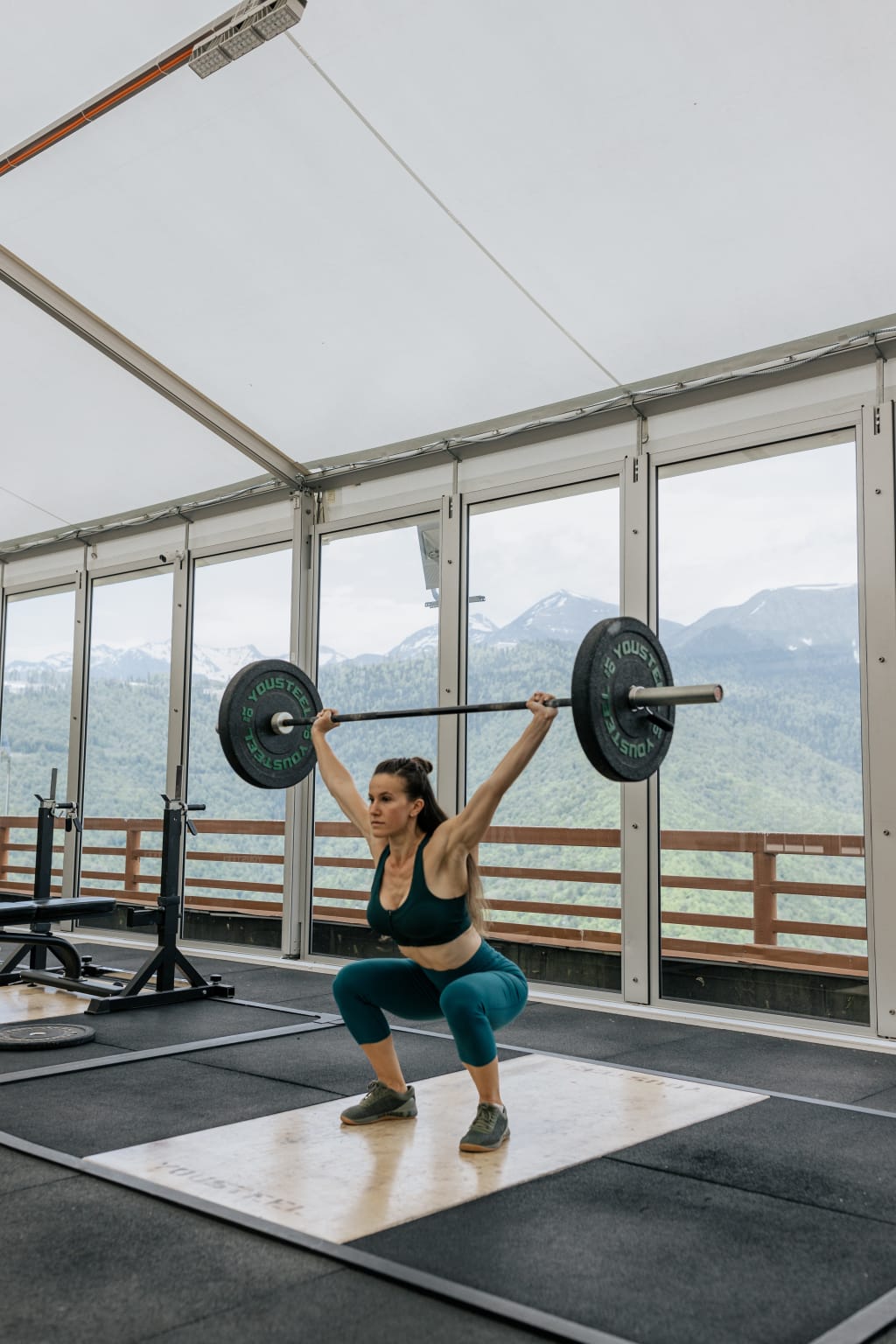
If you're looking for an exercise that works your entire lower body while also engaging your core and promoting better balance and mobility, look no further than the squat. Squats are one of the most versatile exercises you can do, and they offer a wide range of benefits for people of all ages and fitness levels.
Here are just a few of the many benefits of incorporating squats into your fitness routine:
Build Lower Body Strength
Squats are an excellent way to build lower body strength, particularly in your quads, glutes, and hamstrings. By targeting these large muscle groups, you'll not only improve your overall strength and power, but you'll also enhance your ability to perform everyday tasks like climbing stairs or carrying heavy objects.
Improve Core Strength and Stability
In addition to strengthening your lower body, squats also work your core muscles. When done properly, squats require you to engage your abs and lower back muscles to maintain proper form and balance, which can help improve your overall core strength and stability.
Enhance Athletic Performance
If you're an athlete or participate in sports, incorporating squats into your training routine can help improve your performance. Squats can help increase your explosiveness and power, as well as improve your speed, agility, and overall athleticism.
Burn More Calories
Squats are a compound exercise, meaning they work multiple muscle groups at once. This not only makes them a time-efficient exercise, but it also means they burn more calories than isolated exercises like bicep curls or leg extensions. Plus, because squats require a lot of energy, they can help boost your metabolism and burn calories even after your workout is over.
Increase Mobility and Flexibility
As we age, our mobility and flexibility can decline, making it harder to perform everyday tasks like bending down to tie our shoes or reaching up to grab something off a high shelf. Squats can help improve your joint mobility and flexibility, particularly in your hips, knees, and ankles, which can make these tasks easier and more comfortable.
Reduce the Risk of Injury
Squats can help strengthen the muscles and joints in your lower body, which can help reduce the risk of injury during other activities. Additionally, because squats require you to maintain proper form and alignment, they can help improve your posture and reduce the risk of developing imbalances or compensations that can lead to pain or injury.
Enhance Mental Health
Exercise has been shown to have a positive effect on mental health, and squats are no exception. Not only can squats help reduce stress and anxiety, but they can also boost your mood and energy levels, leaving you feeling more confident and empowered.
How to Incorporate Squats into Your Fitness Routine
If you're new to squats or haven't done them in a while, it's important to start slowly and work your way up to more challenging variations. Begin by practicing bodyweight squats, focusing on maintaining proper form and alignment. As you become more comfortable with the movement, you can start adding weight using dumbbells, barbells, or resistance bands.
Here's how to perform a basic bodyweight squat:
Stand with your feet shoulder-width apart and your toes pointing forward.
Engage your core and keep your chest up as you lower your body down as if you're sitting in a chair.
Keep your weight in your heels and your knees tracking over your toes.
Pause at the bottom of the squat and then push through your heels to return to standing.
İf you want to Incorporate Squats into Your Fitness Routine you can get squat shoes. Squat shoes may not be necessary for everyone, they can be a helpful tool for serious lifters who want to improve their stability, range of motion, and power output during lifts. If you're considering investing in a pair of squat shoes, be sure to try on different models and choose the pair that feels most comfortable and supportive for your individual needs. And remember, no shoe can replace proper form, technique, and a well-rounded lifting program.
About the Creator
Enjoyed the story? Support the Creator.
Subscribe for free to receive all their stories in your feed.
Comments
There are no comments for this story
Be the first to respond and start the conversation.